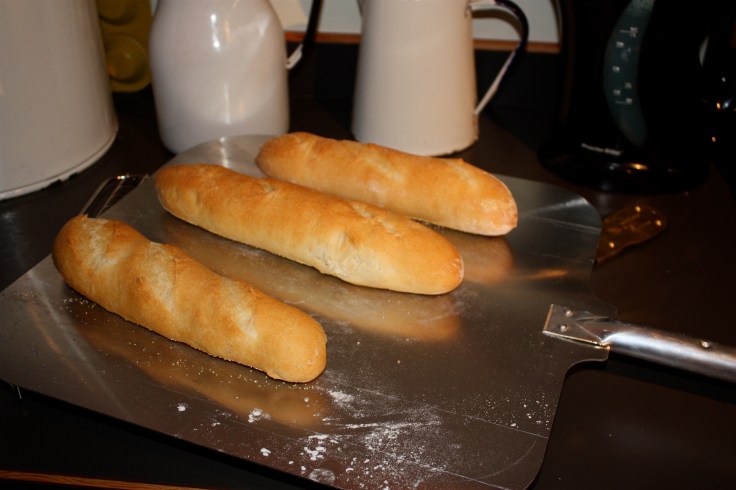
Julia Child was the rocket scientist equivalent in the cuisine world. Every ingredient, every step of every recipe was researched, tested, re-tested for, “those who like to cook and/or want to learn, as well as those who are experienced cooks, including professionals,” Julia said as she slaved for years on her cookbooks. “So we have to keep the dumb debutantes in mind, as all as those who know a lot…” (I land somewhere in the middle).
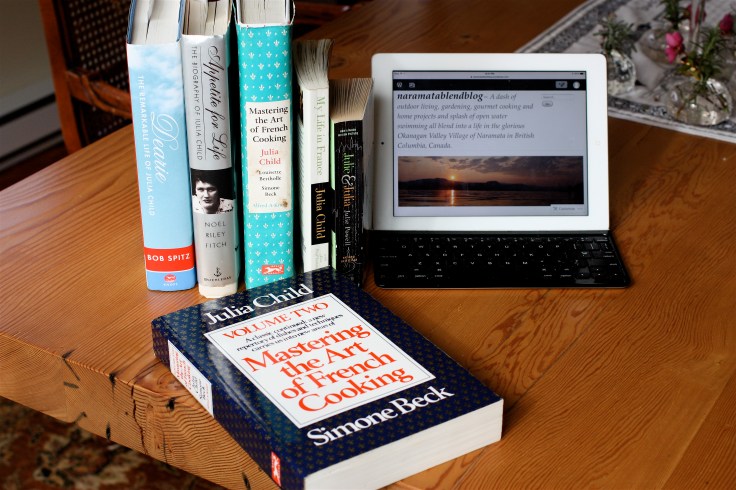
Her biggest challenge was the French bread recipe that takes up 21 entire pages in Mastering the Art of French Cooking Volume Two. My throw down to you is to give it a whirl. Here’s why:
 1.You need Mastering the Art of French Cooking Volume Two if you don’t already have it in your cookbook collection. You can’t claim to be into cooking without it.

2. You need a peel. It’s handy for pizza too.
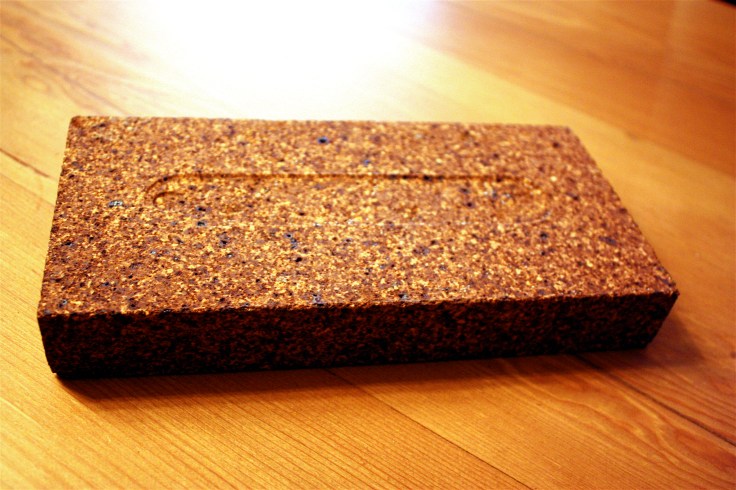 3. Bricks are cheap.
4. Julia and her husband Paul spent more than a year to perfect a French bread recipe that could be duplicated at home with American ingredients. The couple used 284 pounds of flour to develop the master bread recipe in countless experimental batches.
 5. French bread has these four ingredients: Flour, salt, yeast and water. Julia and Paul experimented with fresh and dried yeasts, various flour mixtures, rising times and trickiest of all, how to get moisture into the oven to simulate a French baker’s oven and to give it the right golden colour and crispness of French bread.
 6. With the help of Professor Raymond Calvel, the head of the state run École Professionnelle de Meunerie in Paris, the world’s leading authority on French bread, they cracked the code. A brick in a pan filled with steaming water coupled with a pre-heated clay (or pizza) stone to cook the bread on were the winning techniques. Lucky me, with my new wood-fired oven, I just steam it up with a spray bottle and pop my loaves onto the hearth and no longer need the brick trick.
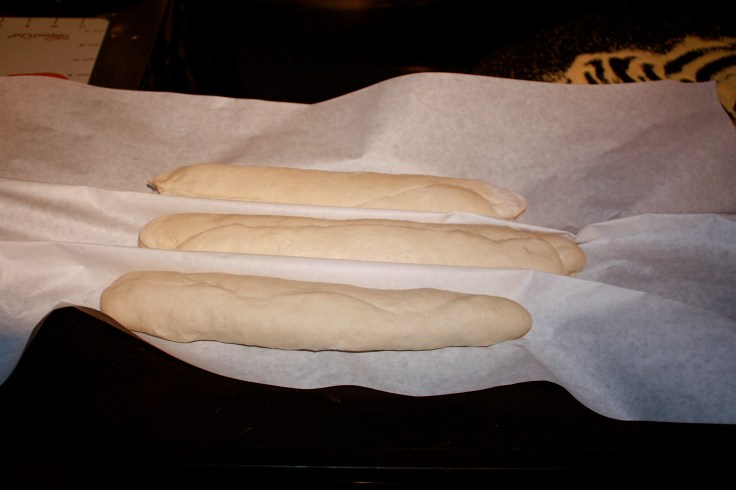 7. The directions in Mastering Vol. II are unbelievably detailed and include little sketches of exactly how to shape the loaves.
 8. Julia and Paul did all the hard work and loaf burning for us. See my post…Things I lost in the fire…so we don’t have to. If you follow the supremely clear and detailed directions your loaves will turn out…perfectly.
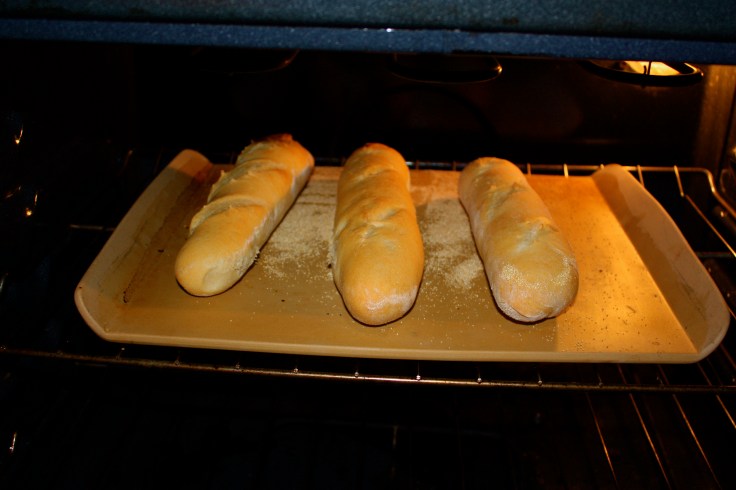
 9. You will get so cocky you might even make brioche.
10. What better way to honour Julia’s legacy than bringing out three, golden, fragrant, perfectly crusty loaves that are even better than boulangerie bread. You can do this even if you are a dumb debutant. Pretty good bragging rights re the 21-page recipe as well.

 At Township 7 Vineyards and Winery on B. C.’s Naramata Bench, assistant winemaker Stephanie Norton Minnick told me she only had about two days off last year between Oct. 4 and Nov. 7.
 She told me this after winemaker Bradley Cooper had hired me on as a part-time worker, but it might explain why he chose me just a few months before the grape harvest. He was clearly looking for help of any kind, and unfortunately the sort of burly guy with winery skills he was really looking for was making himself scarce.
 Like many in the Okanagan, Township 7 is a relatively small winery (set up to produce about 7,000 cases a year) that uses every centimetre of space to make more wine (12,000 cases in 2008).

 I learned a lot of things, like the winemaker’s mantra, “It takes a lot of beer to make good wine,” that working well together in a crew can be hugely rewarding, the crush smells good–and the purple stains eventually come off.
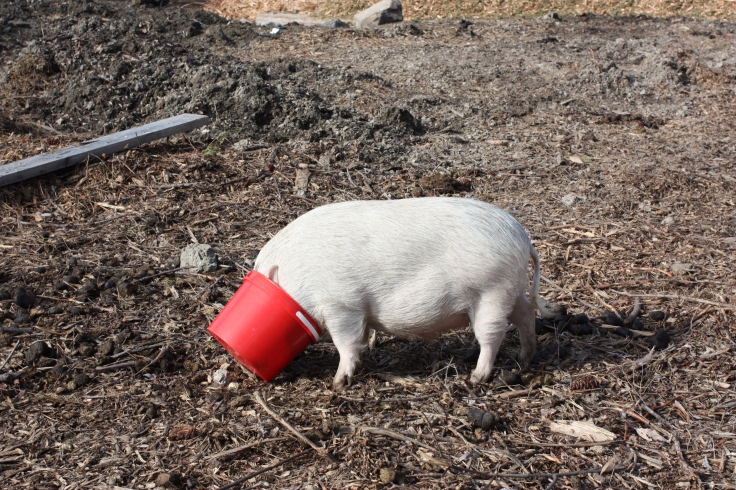
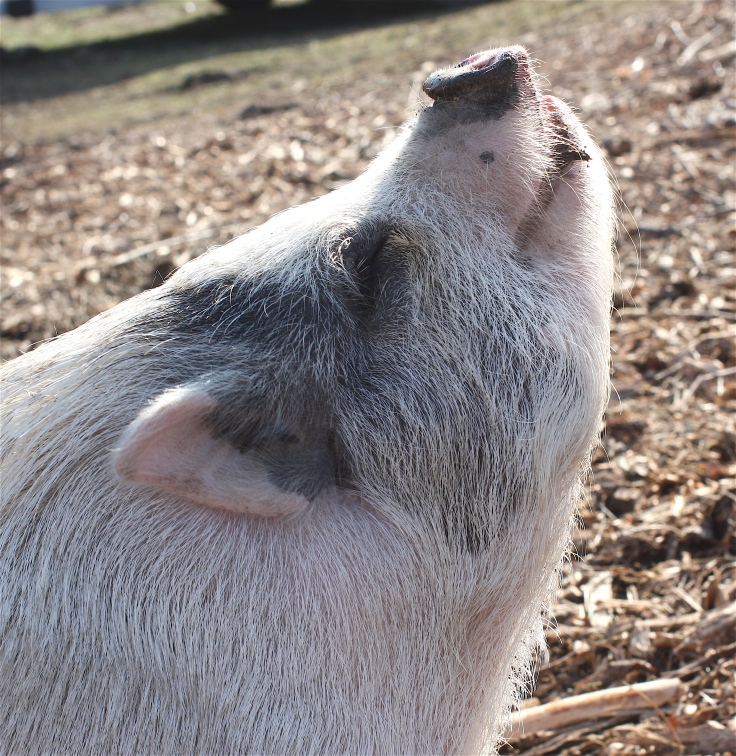 Anthropomorphism? I don’t think so. Dudley the pig is definitely smiling in the sun on this spring-like day at Andy’s Animal Acres on the Naramata Bench.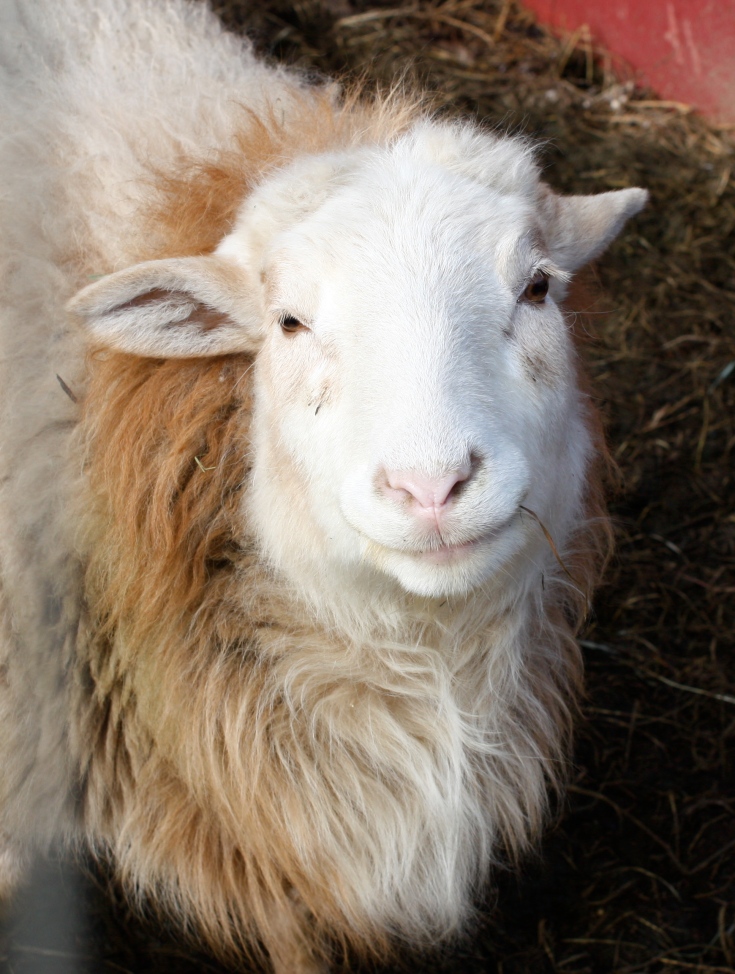
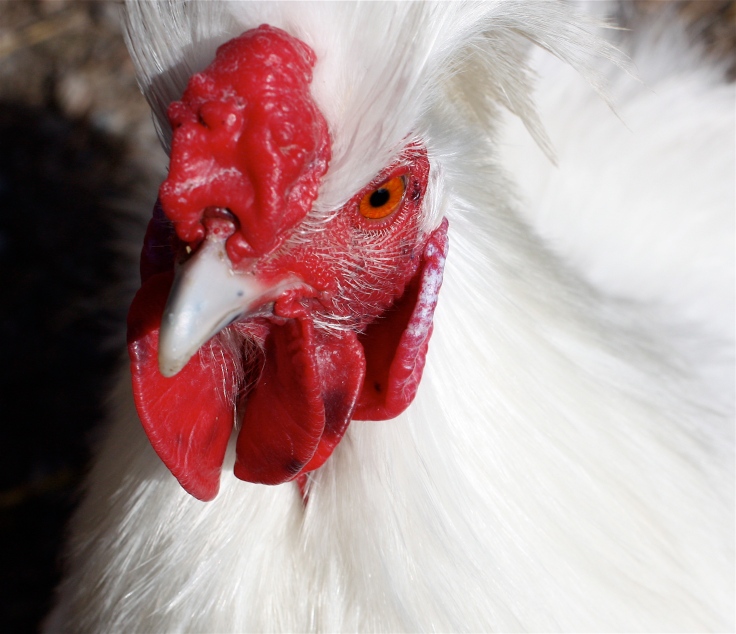
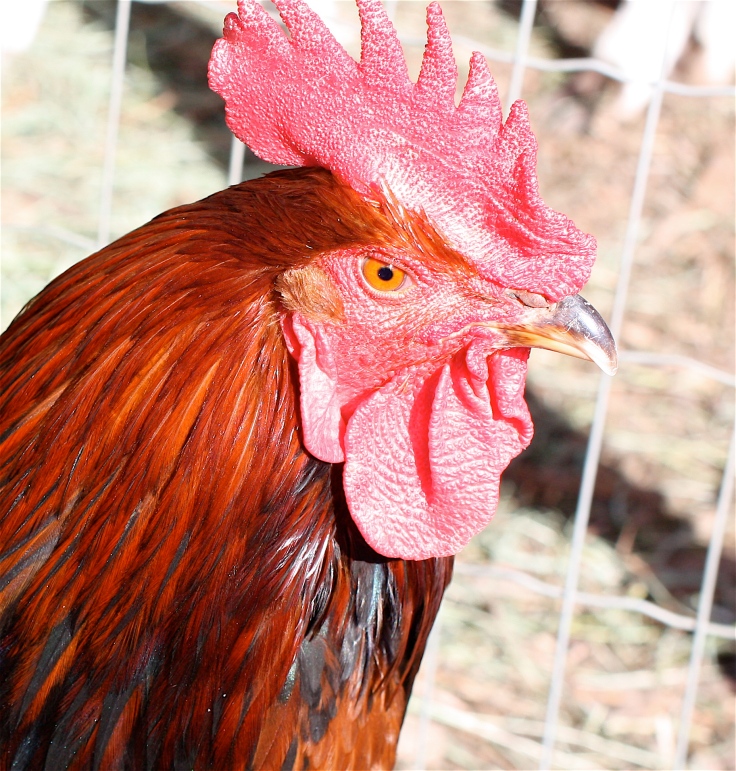
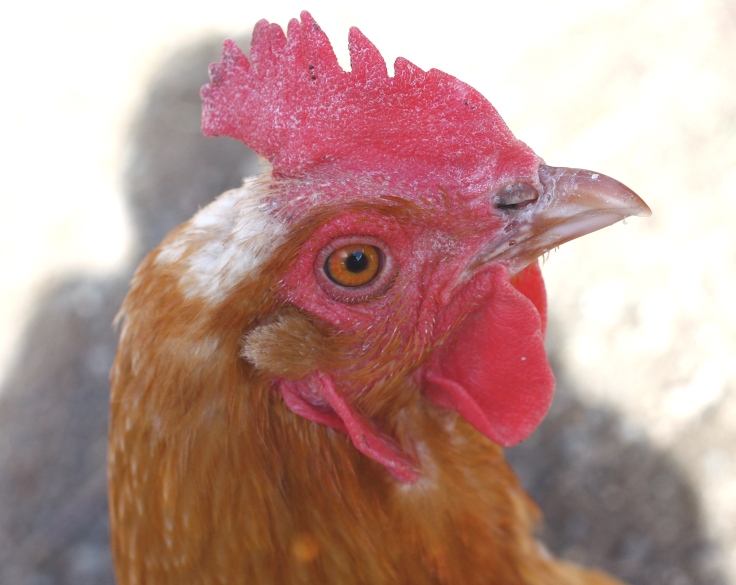 Andy learned her animal husbandry skills during a 10-year stint at Maplewood Farms in North Vancouver. She turned her property from weeds and dirt to home for more than 60 farm animals over a period of eight years, opening to the public in the spring of 2013. A labour of love, it costs her more than $900 a month to feed all the critters and insure her business. Then there are vet bills, heating lamps, equipment….and “constant, constant, constant labour.”
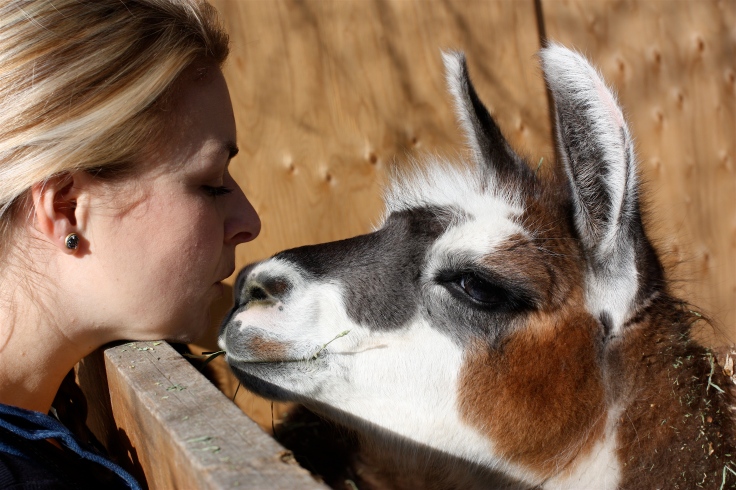 There are some great rewards though.
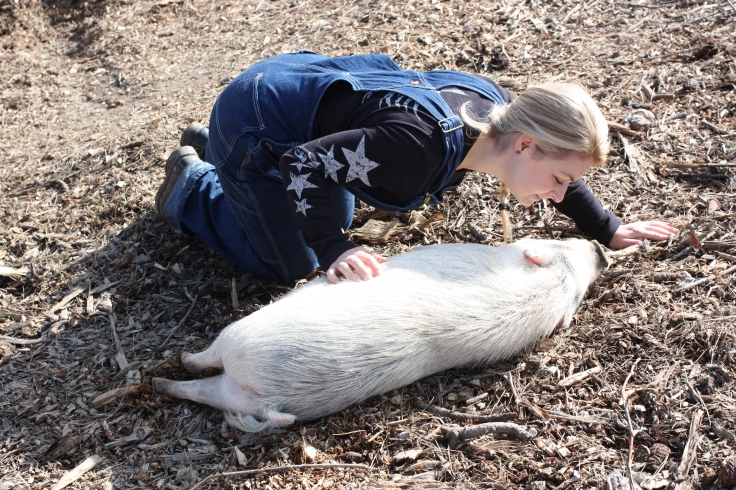 And a whole lot of love on the farm.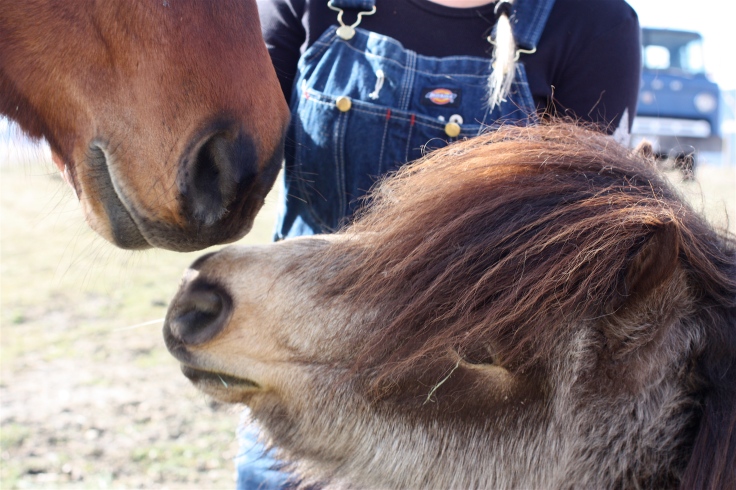
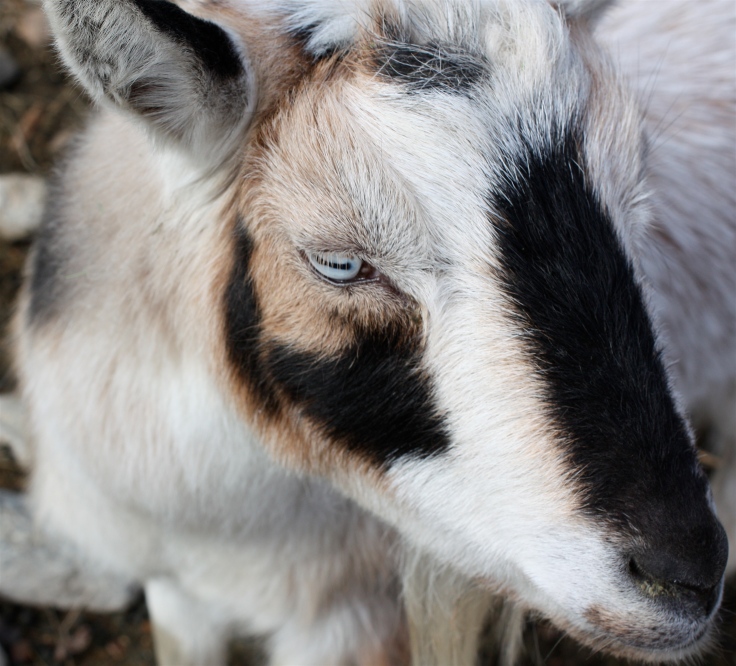
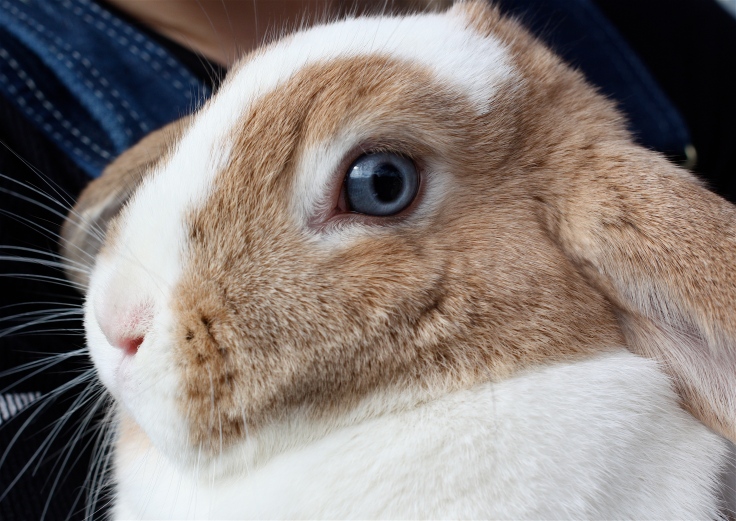
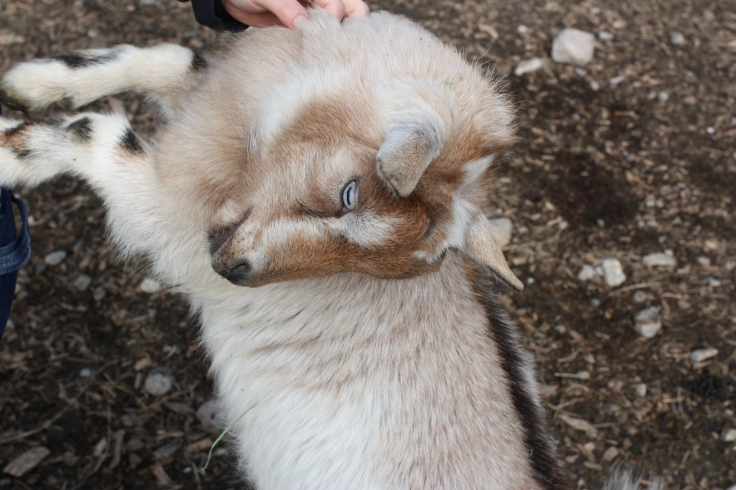
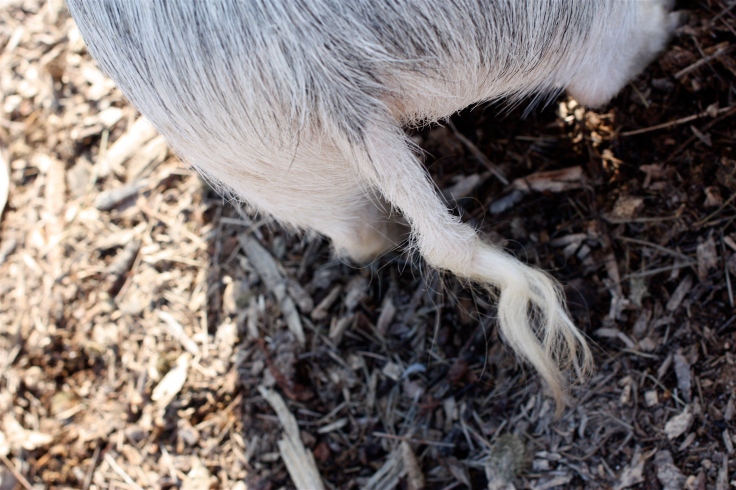
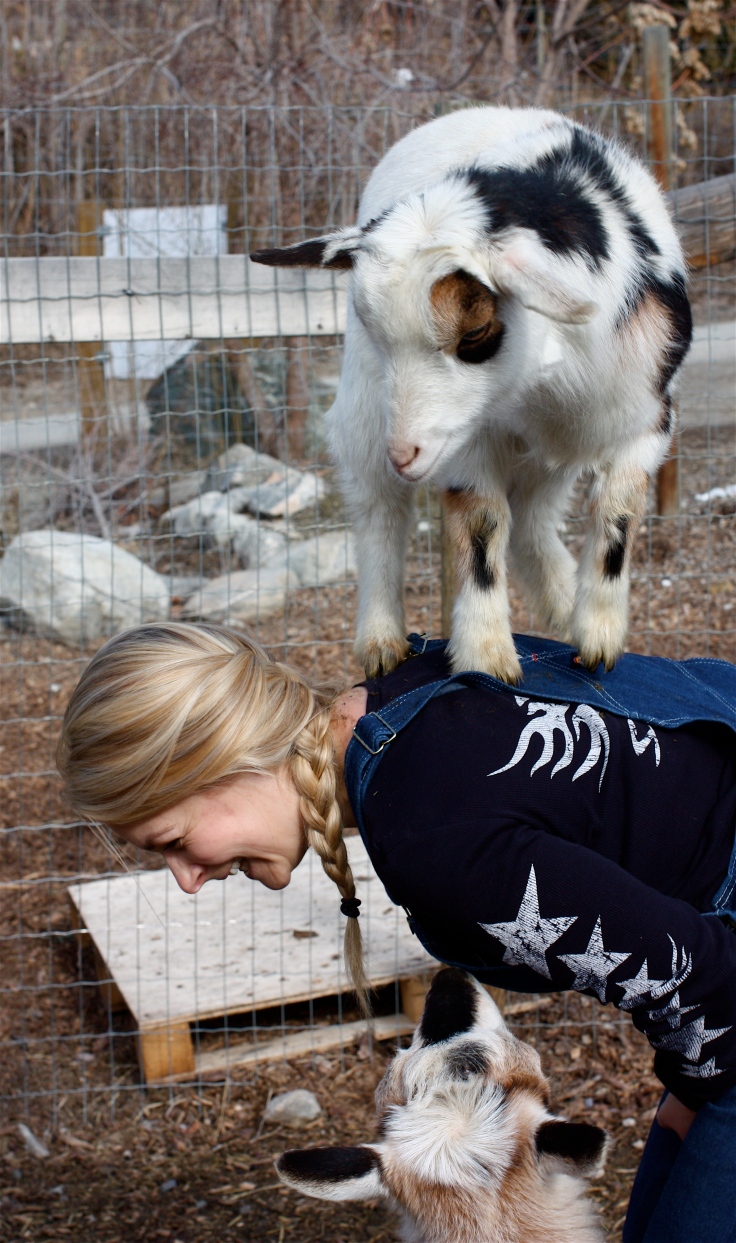 It’s all fun and games until a goat jumps on your back.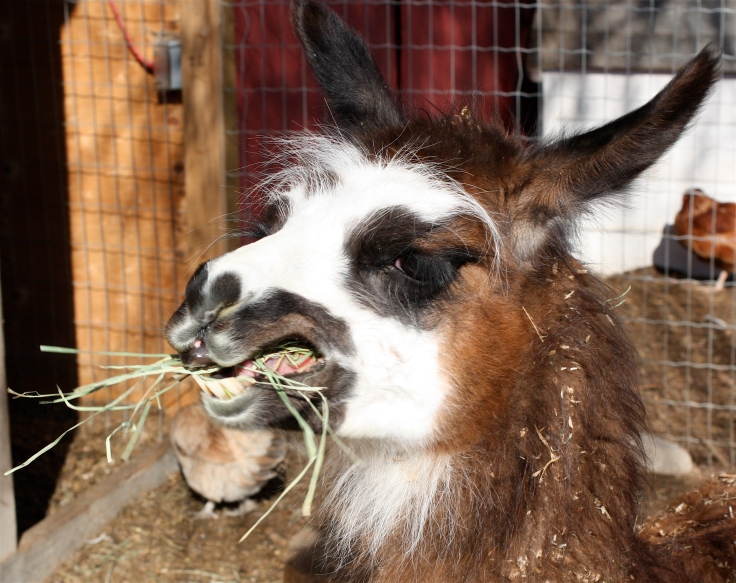







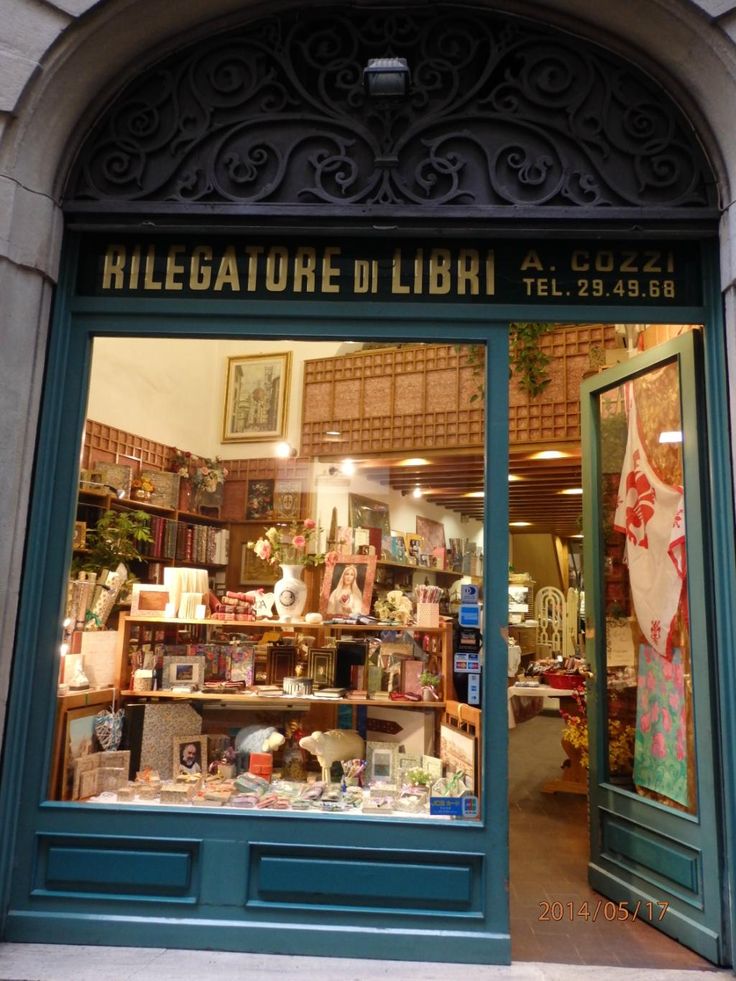

 This 1976 stamp, just about the same size as the book, was tucked inside by my dad or mum.


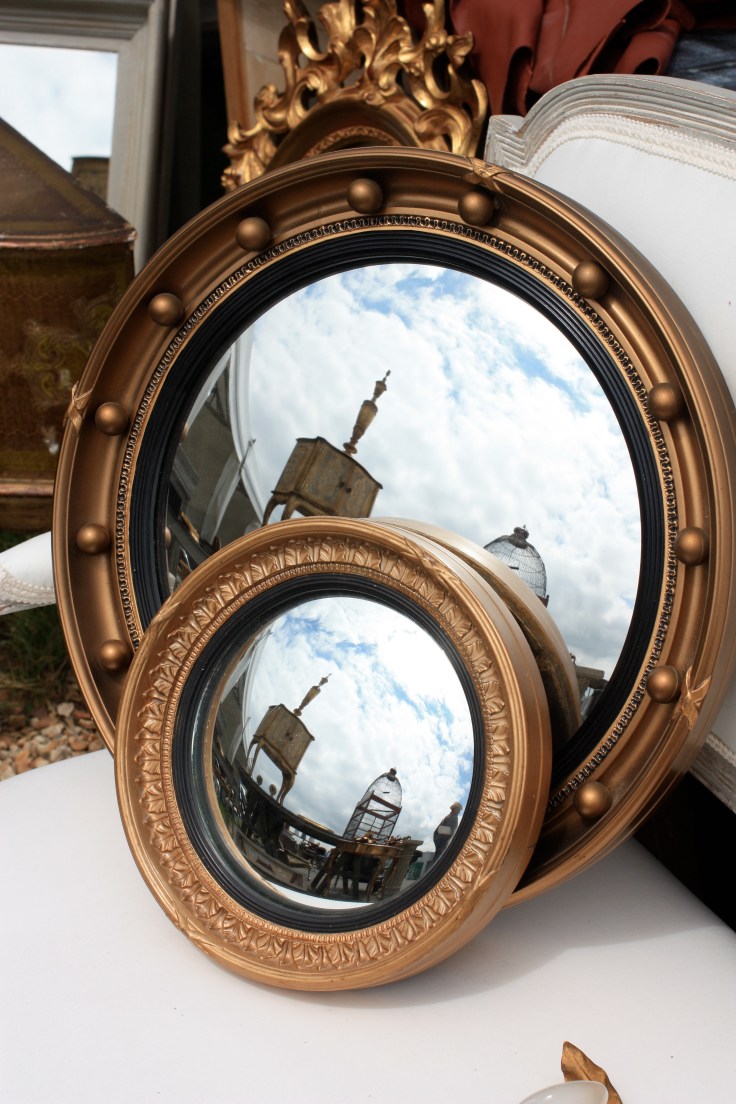
 Located in Southern England, 90-minutes away from Dover ferries, the annual fair attracts many exhibitors from Europe and the variety was pretty astounding. The prices were reasonable too.
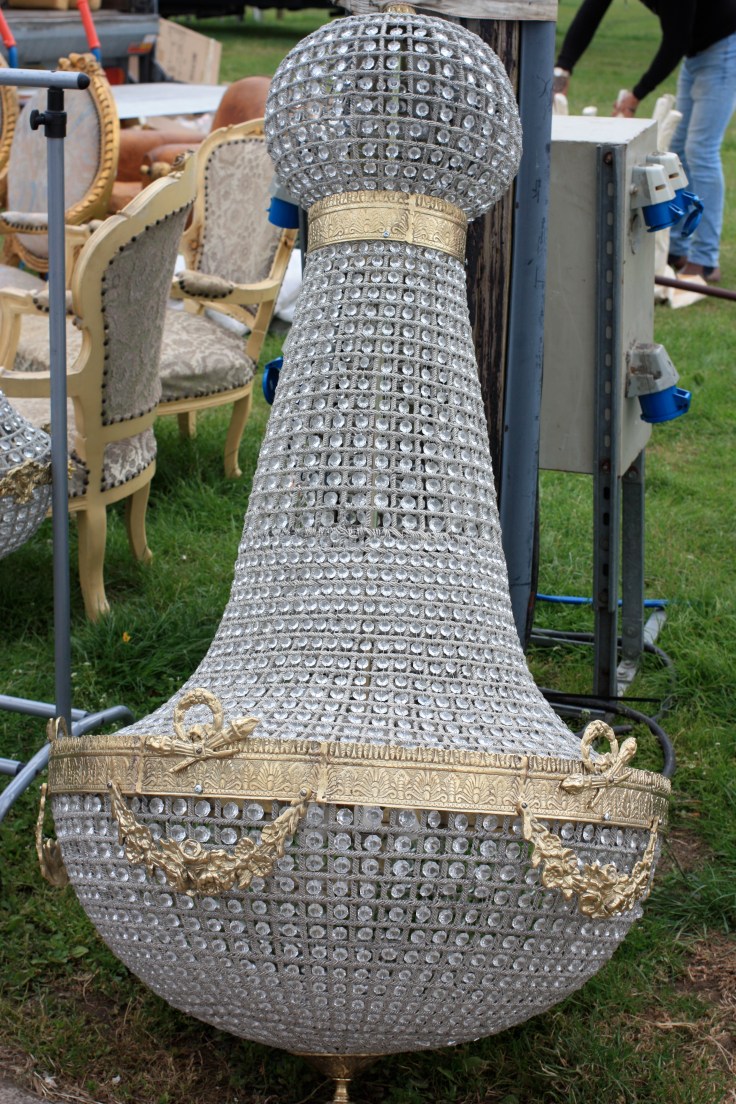 It’s hard to get a sense of how big this chandelier was. You would need a big, fancy room to house it.


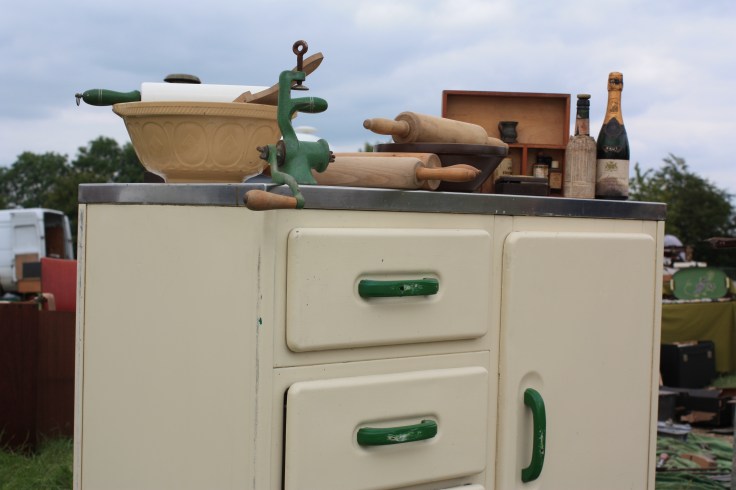 This is right up my alley as I collect kitchenalia.


 These came home with me: skates (who needs those in England anyway), trug, garden signs and my prized possession…the straw boater that came in its original Harrods’ box to add to my hat collection. I think I paid about 20 pounds for it. I love it that the owner’s name is on the inside hat brim…”B.W.G. Massey”. I hope he isn’t still looking for it.
 This? did not come home with me.
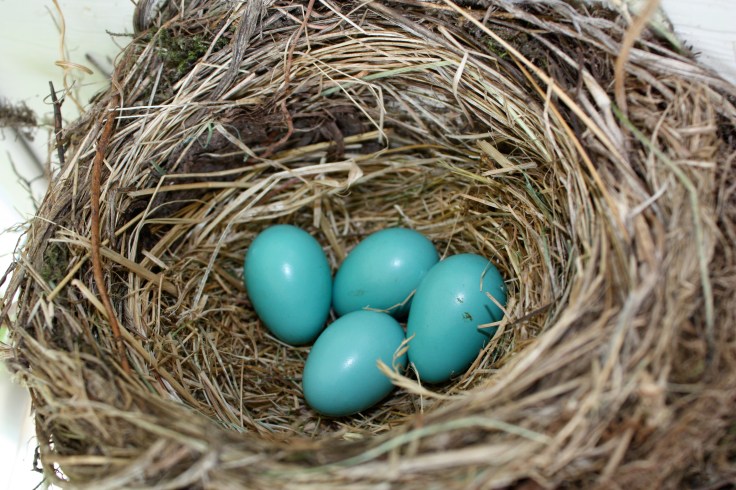 How can this, which is so beautiful it has a colour named after it…
 …turn into this?
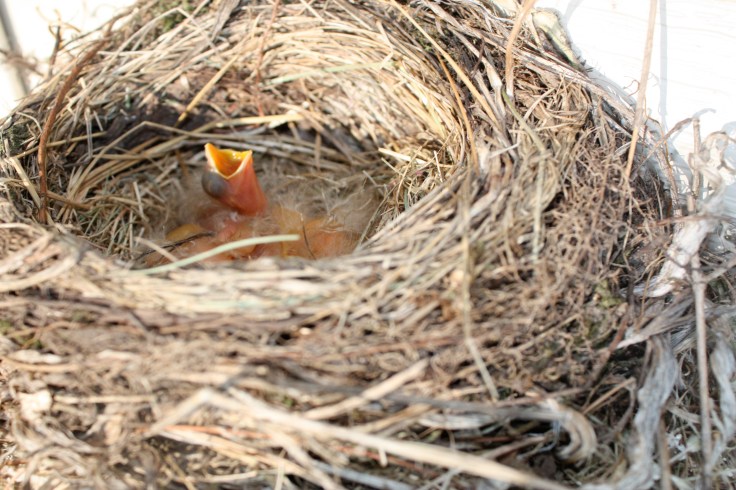 I mean really. Grow some feathers.


 1. S.S. Eating Disorder
 2. Cats and Rats and Elephants
 3. Sunnies

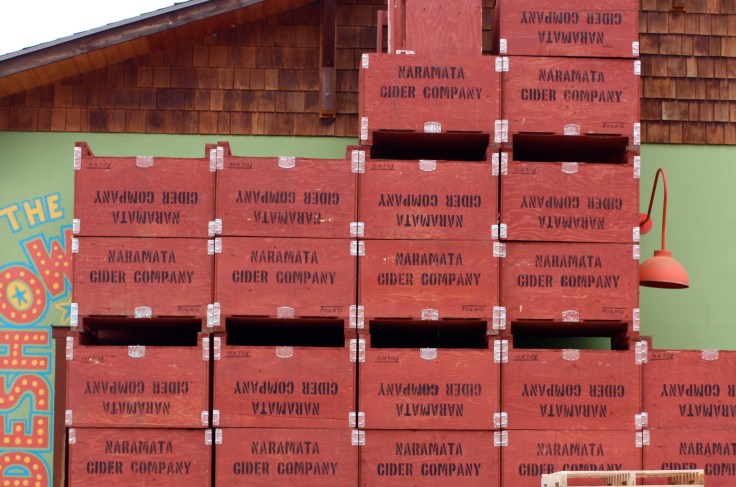


 For example, we have a peacock that calls Naramata Village home. “We love it…especially when it’s chasing the blue recycling truck down Robinson. Another reason to slow down and appreciate the joy.”
