
With bud break just around the corner in the Valley, here is a fast forward to the grape harvest on the Naramata Bench to remind us of the fruits of all the work beginning to happen in the vineyards.
(Reprinted with permission of The Calgary Herald, here is a story I wrote of my first harvest in the Okanagan.)
The Okanagan’s annual wine grape harvest requires spirit and stamina
By Elaine Davidson
Crush. It’s not just what they do to the grapes. Think about it: ideally, fresh fruit on the vine should be on its way to being a delightful alcoholic beverage all in the same day. This means working literally day and night, under lights, clad in rubber boots, wet, cold and stained purple.
 At Township 7 Vineyards and Winery on B. C.’s Naramata Bench, assistant winemaker Stephanie Norton Minnick told me she only had about two days off last year between Oct. 4 and Nov. 7.
“Over the Thanksgiving weekend, I worked 42 hours, catching a few hours of sleep in my car,” she recalls.
 She told me this after winemaker Bradley Cooper had hired me on as a part-time worker, but it might explain why he chose me just a few months before the grape harvest. He was clearly looking for help of any kind, and unfortunately the sort of burly guy with winery skills he was really looking for was making himself scarce.
Which is how, newly moved to Naramata from Calgary and surrounded by vineyards, I found myself marinating in my new carpe diem life in wine country.
 Like many in the Okanagan, Township 7 is a relatively small winery (set up to produce about 7,000 cases a year) that uses every centimetre of space to make more wine (12,000 cases in 2008).

So how does crush work? First, tend the vineyard–seven acres of Merlot, Chardonnay, Gewurztraminer and Pinot Gris vines –for a year.
When grapes are ready, meaning they have achieved the perfect level of Brix (sugars, acids and pH), it’s time to handpick them.
De-stemmers, crushers and presses are set up in the morning, put through their paces for hours and cleaned every night.
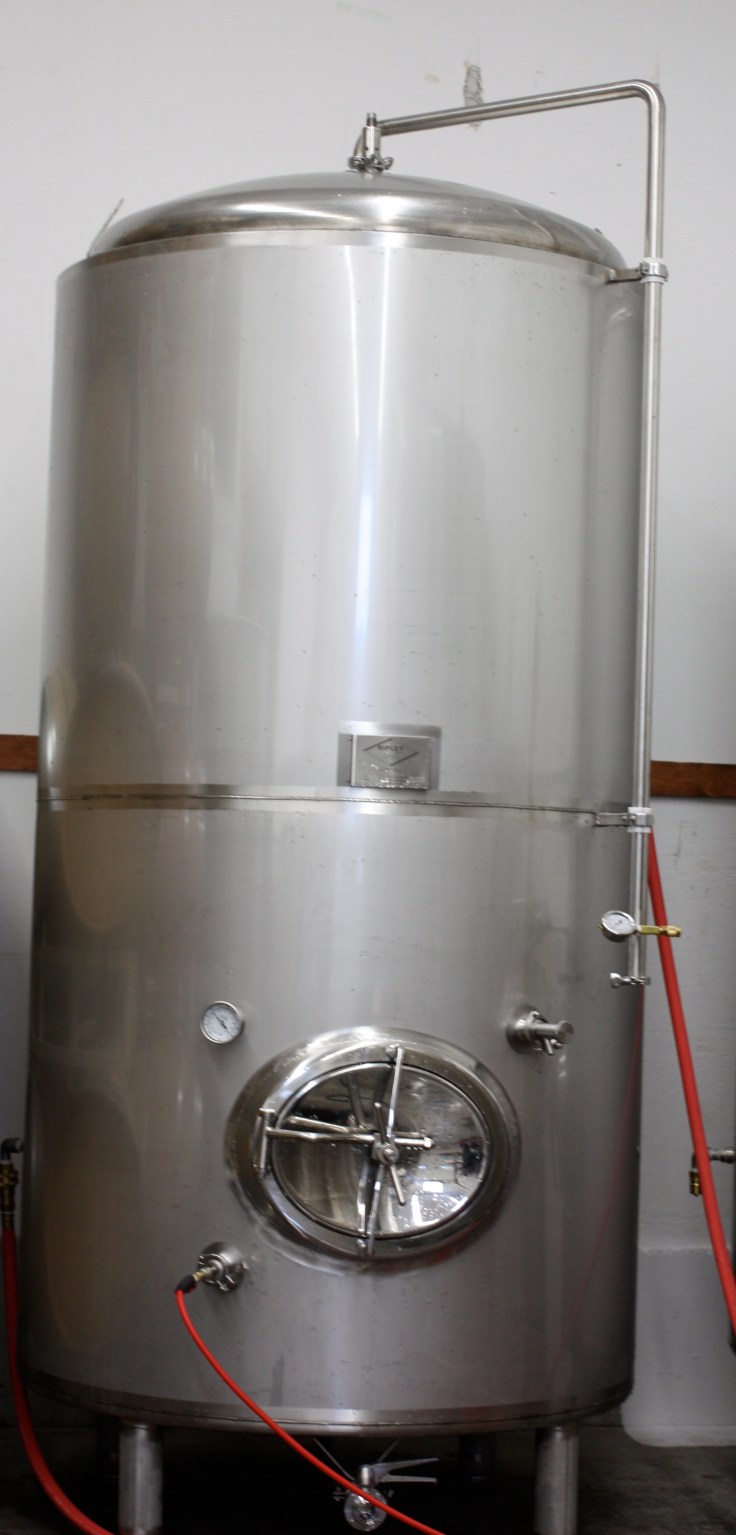
Whites are then pressed and cold-settled overnight and racked to take the clear juice off the top and the solids filtered out, while reds head into the fermenters, where they have to be punched down three times a day, using a long stainless steel tool capped with a round plate. (The grape skins are punched into the liquid below to give the wine more flavour, colour and astringency.)
Either way, carefully selected yeasts are added (thrown) into the juice (called must).
So many fermenters are stuffed into the winery that some could only be reached for the punch-downs by walking a plank placed on the top. I declined this experience, although I am a good swimmer. When the reds reach the right Brix, they’re pressed.
Finally, reds and some whites are pumped into barrels; other whites are left to mature in steel tanks.

“Despite all of the stress and hugely long hours, you do think that each load of grapes that show up may be the champion ones that win you awards,” Cooper says. “It’s the time you find out if all the measuring, testing and the numbers mean anything.”
 I learned a lot of things, like the winemaker’s mantra, “It takes a lot of beer to make good wine,” that working well together in a crew can be hugely rewarding, the crush smells good–and the purple stains eventually come off.
Copyright: The Calgary Herald
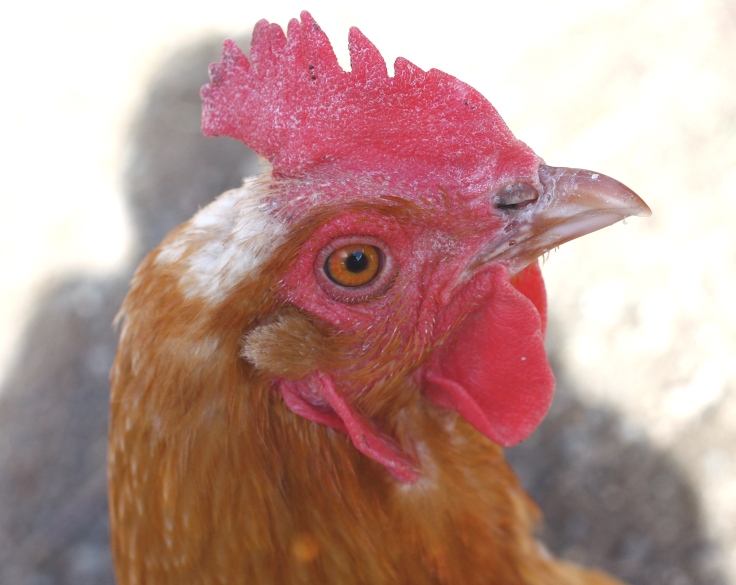
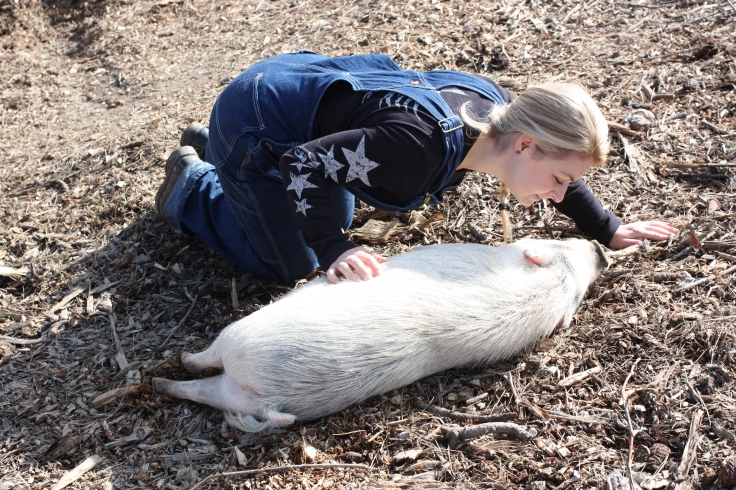
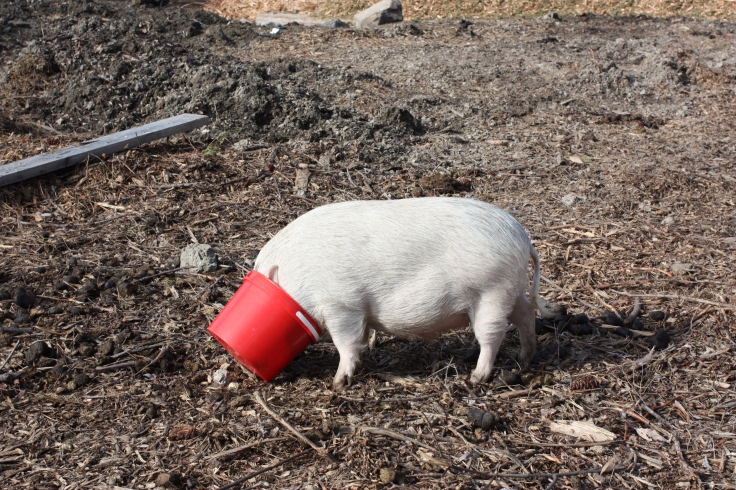
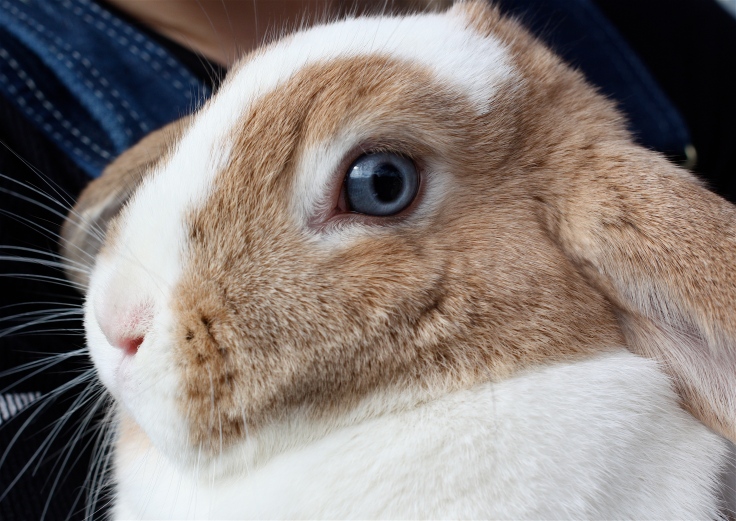
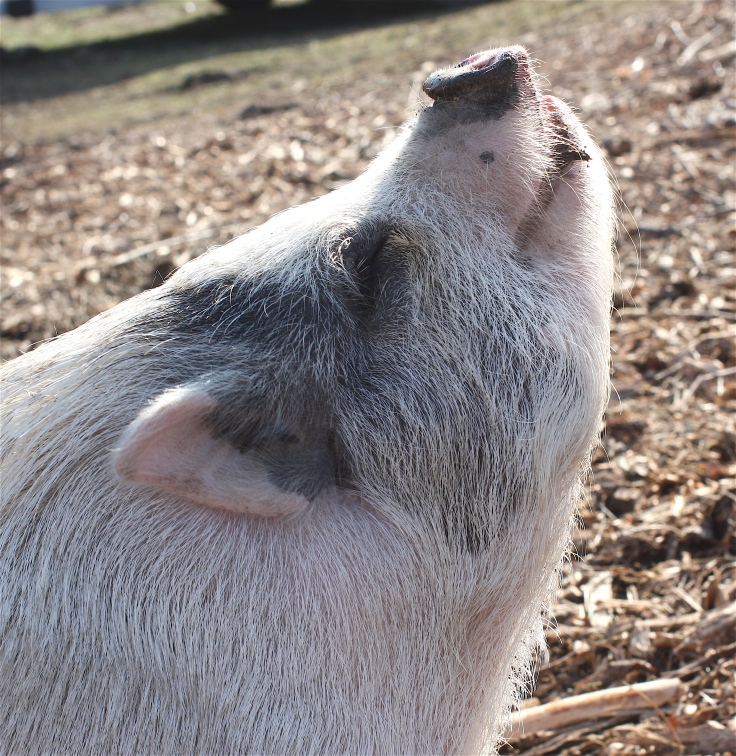 Anthropomorphism? I don’t think so. Dudley the pig is definitely smiling in the sun on this spring-like day at Andy’s Animal Acres on the Naramata Bench.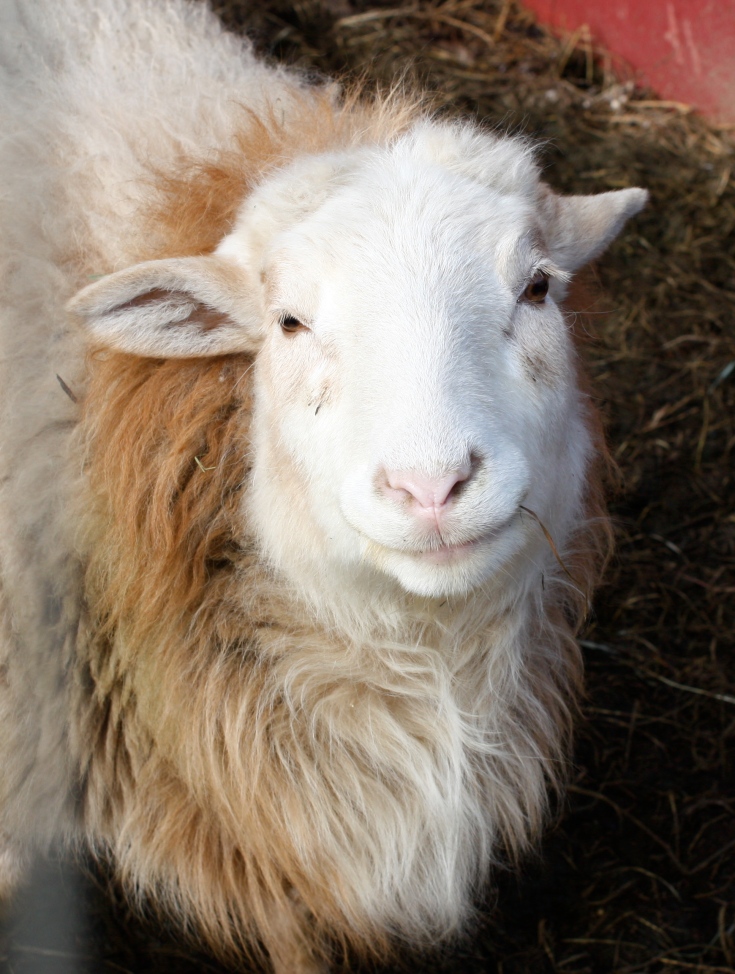
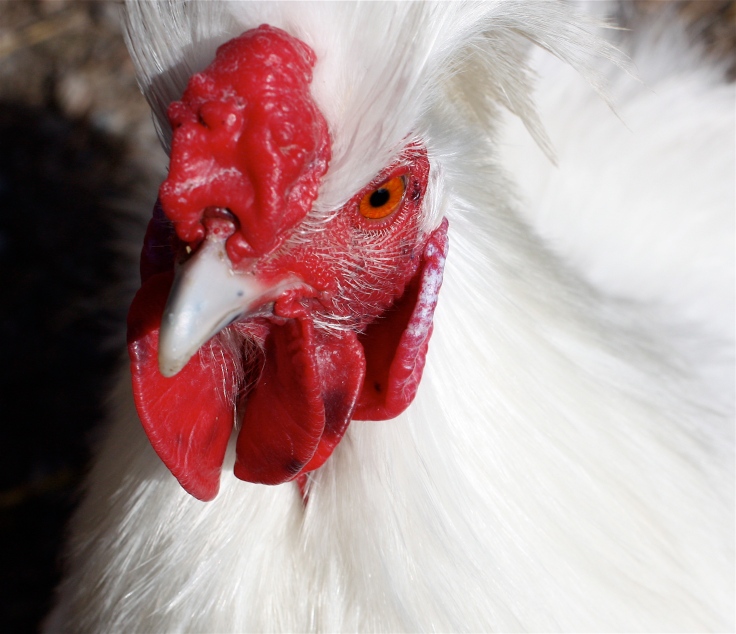
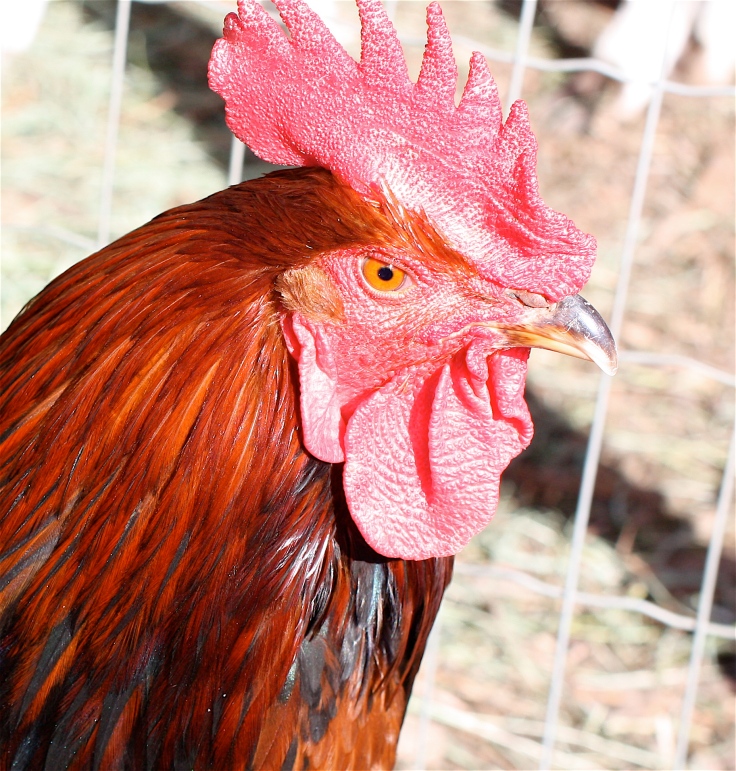
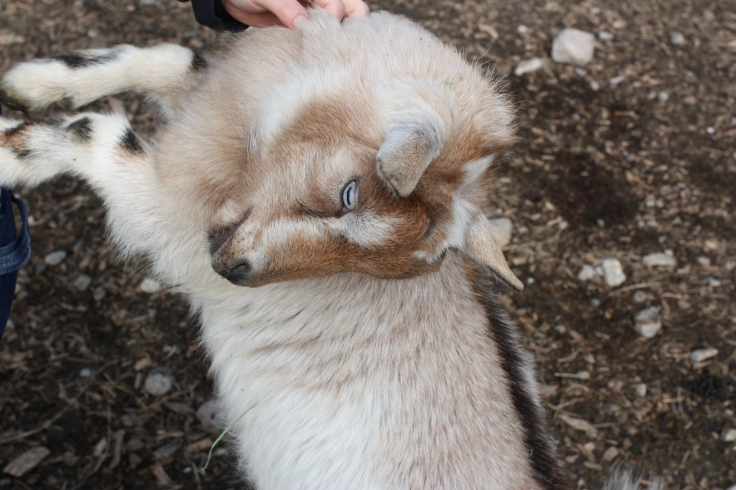
 Andy learned her animal husbandry skills during a 10-year stint at Maplewood Farms in North Vancouver. She turned her property from weeds and dirt to home for more than 60 farm animals over a period of eight years, opening to the public in the spring of 2013. A labour of love, it costs her more than $900 a month to feed all the critters and insure her business. Then there are vet bills, heating lamps, equipment….and “constant, constant, constant labour.”
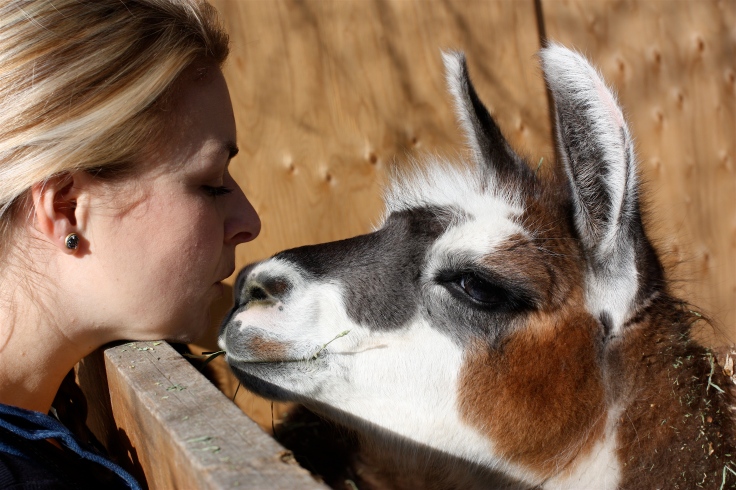 There are some great rewards though.
 And a whole lot of love on the farm.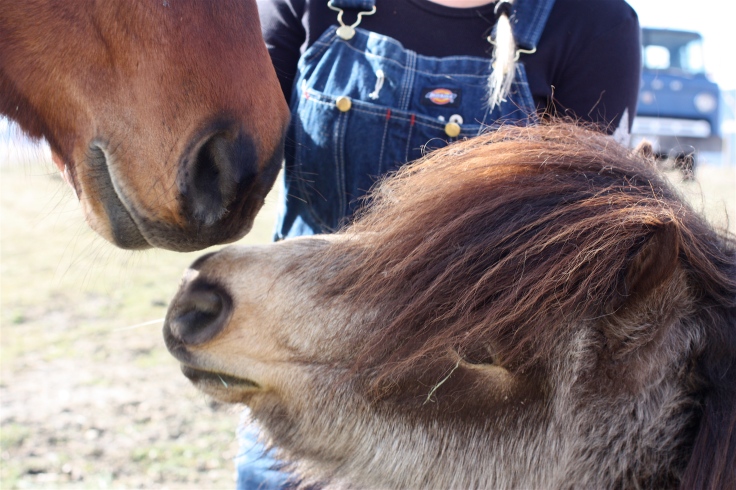
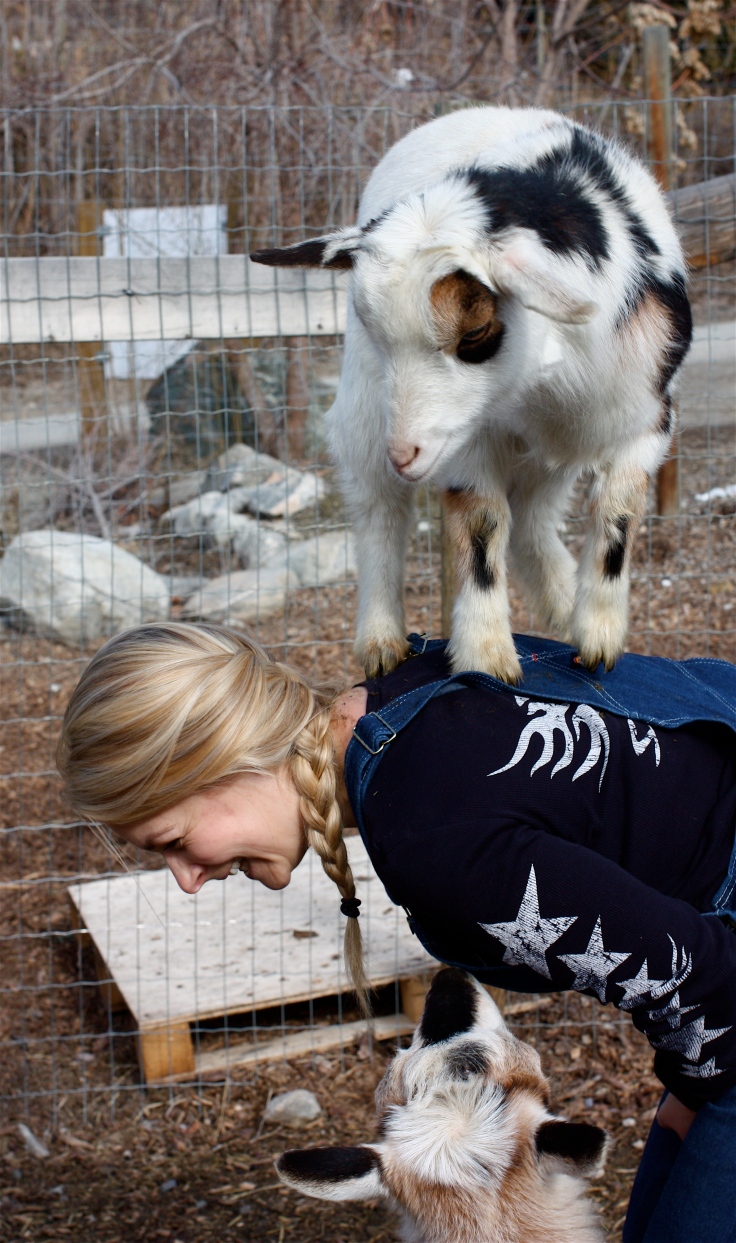 It’s all fun and games until a goat jumps on your back.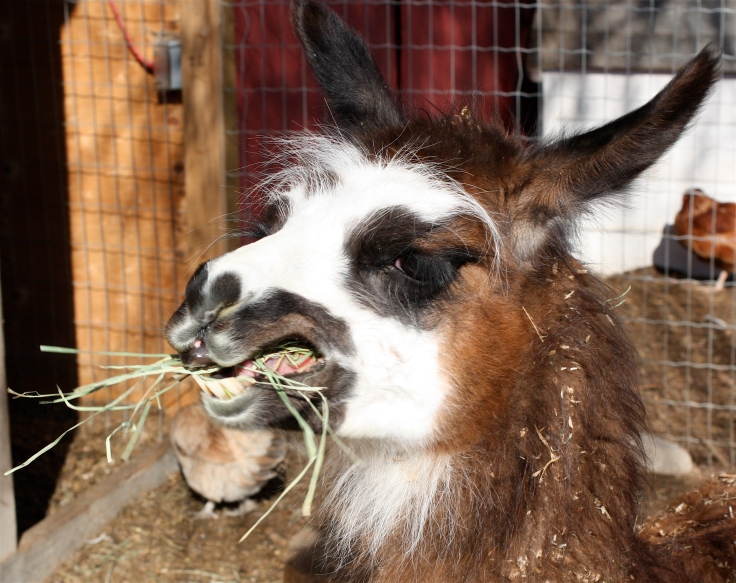






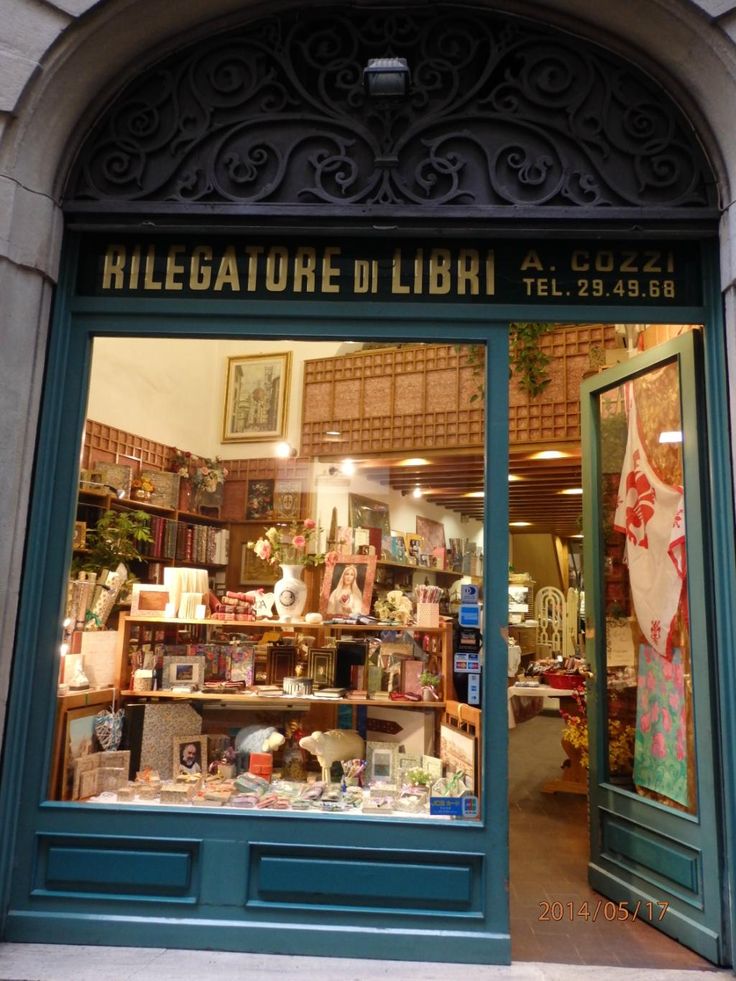

 This 1976 stamp, just about the same size as the book, was tucked inside by my dad or mum.


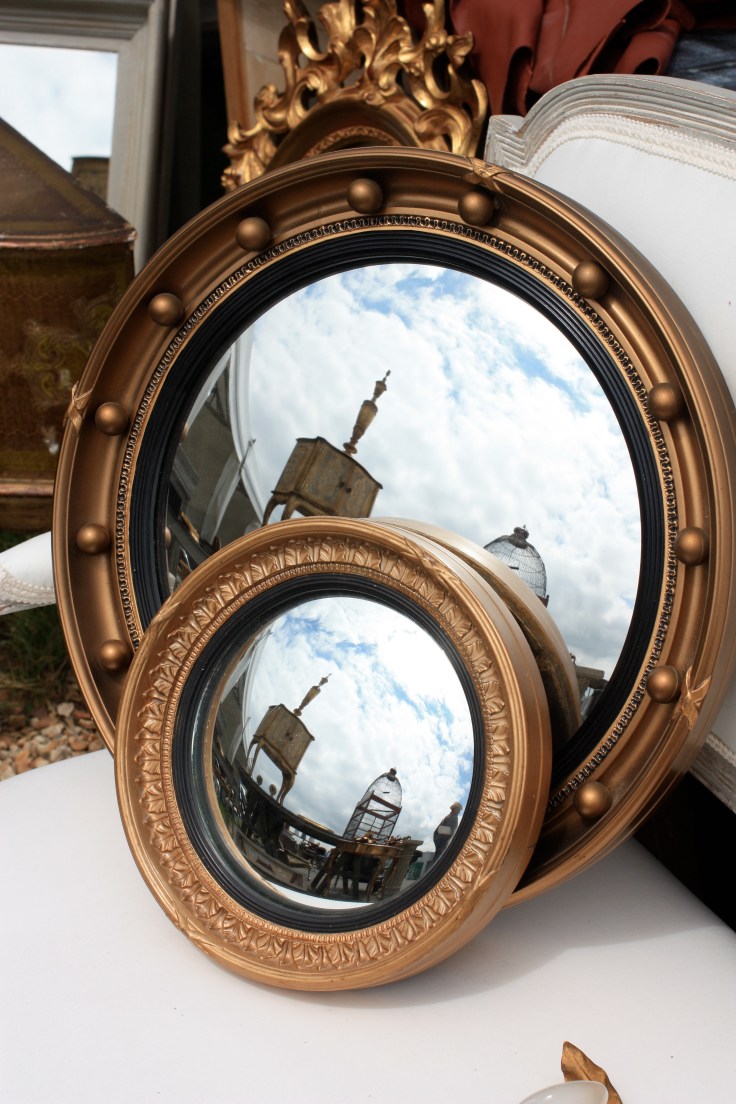
 Located in Southern England, 90-minutes away from Dover ferries, the annual fair attracts many exhibitors from Europe and the variety was pretty astounding. The prices were reasonable too.
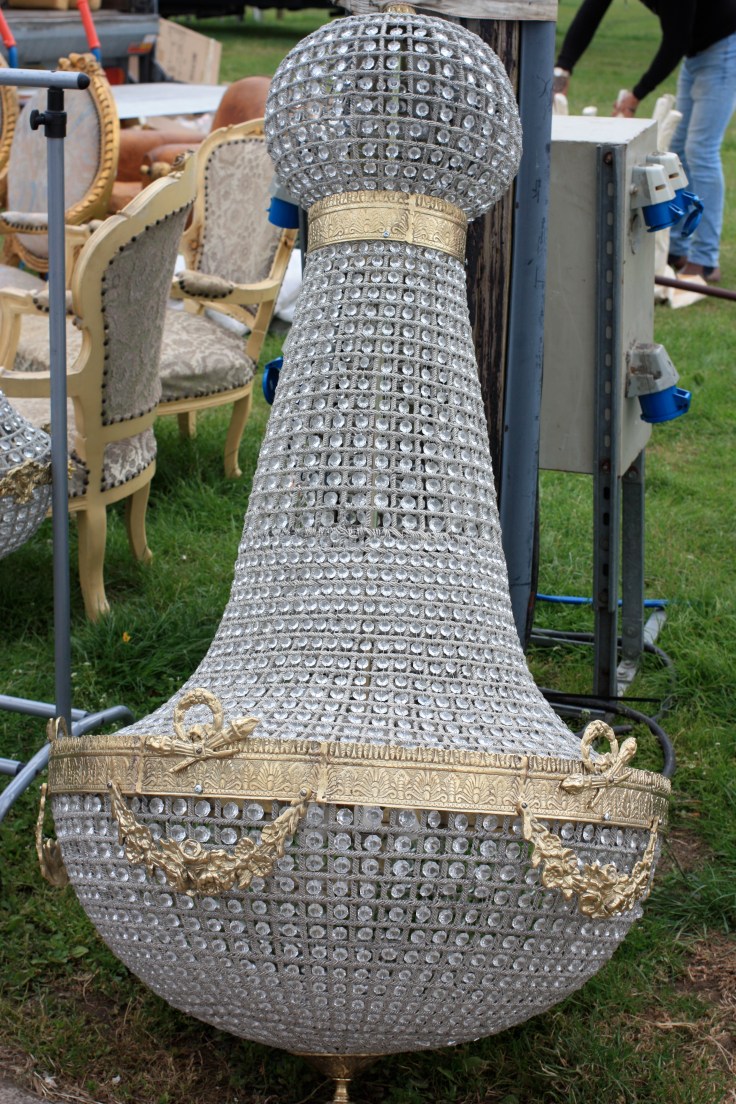 It’s hard to get a sense of how big this chandelier was. You would need a big, fancy room to house it.


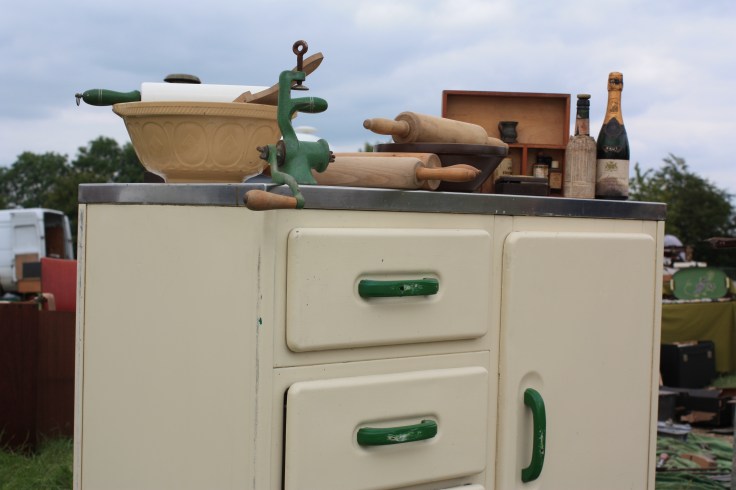 This is right up my alley as I collect kitchenalia.


 These came home with me: skates (who needs those in England anyway), trug, garden signs and my prized possession…the straw boater that came in its original Harrods’ box to add to my hat collection. I think I paid about 20 pounds for it. I love it that the owner’s name is on the inside hat brim…”B.W.G. Massey”. I hope he isn’t still looking for it.
 This? did not come home with me.
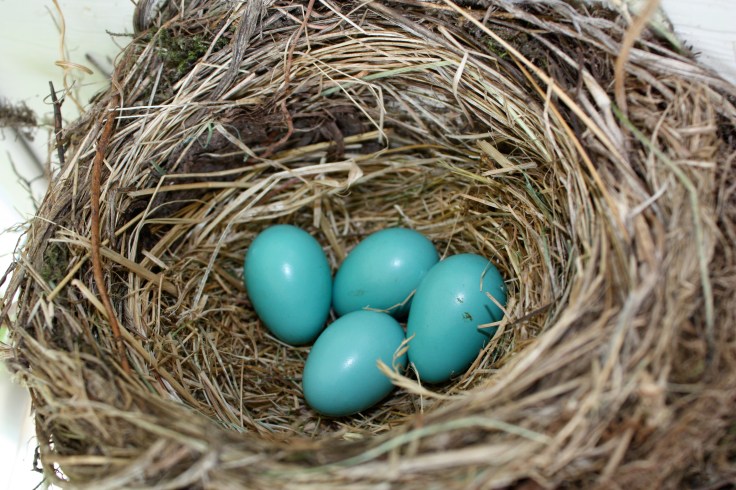 How can this, which is so beautiful it has a colour named after it…
 …turn into this?
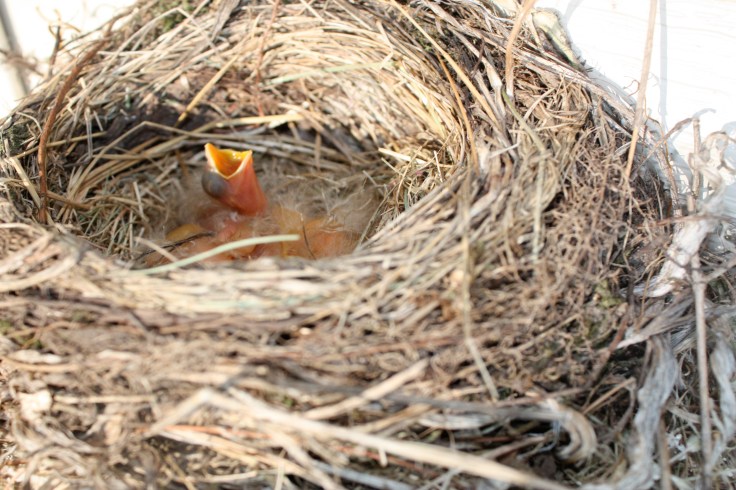 I mean really. Grow some feathers.


 1. S.S. Eating Disorder
 2. Cats and Rats and Elephants
 3. Sunnies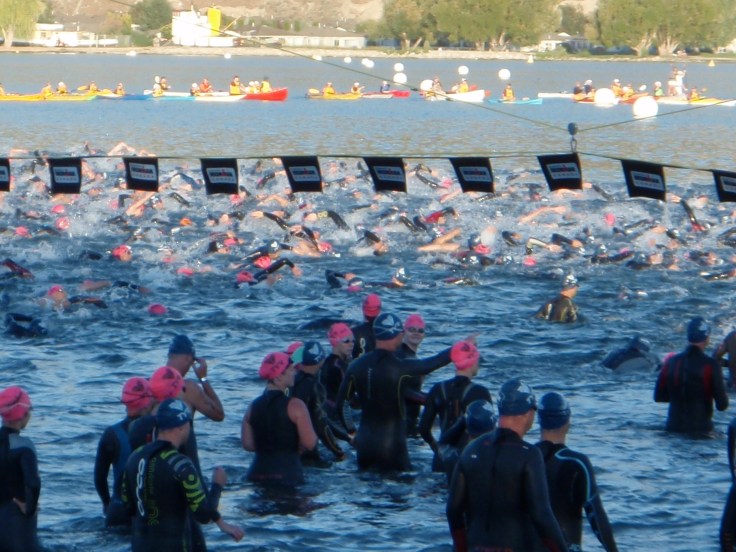



 For example, we have a peacock that calls Naramata Village home. “We love it…especially when it’s chasing the blue recycling truck down Robinson. Another reason to slow down and appreciate the joy.”
 Yes indeed they can, but rattlesnakes are small potatoes when you think of the island’s key resident, Ogopogo, said to inhabit a cave beneath the island. Swimmers participating in the unique 7-kilometre out-and-back swim that loops around the back of Rattlesnake Island or the one-way 3-kilometre swim across Okanagan Lake from Rattlesnake Island to Peachland, British Columbia, Canada, have never reported encounters with Ogopogo but rattlesnakes abound.
 Plastic snakes that is. Each swimmer takes home one of these coveted reptiles if they finish.

 The swim, which takes place August 6 this year, is well organized with lots of safety boats and personnel and includes orientation sessions which are great for first timers.
 naramata-blend