 Yup, taking that home. Who wouldn’t want a plate with a boy riding on turkey on it? Little did I know that a week later I would mail it away to a relative of the owners of the Patten Mercantile Co., postal box: Ghost Town, Amy, Kansas.
Antique shopping in Summerland, British Columbia, just across the lake from Naramata, this strange gem was sitting high on a shelf. The purchase of this peculiar plate started me on a journey into the past of a tiny American ghost town and a 97-year-old store that burned to the ground in 2003.
With my new treasure by the computer, an internet search of “Amy, Kansas” brought me to Amy Bickel, an agricultural journalist for the Hutchinson News in Kansas. She has been chronicling Kansas’ dead towns since 2010. The town once had a lumberyard and a general store. It started out life as Ellen, Kansas in the late 1800s as a stop established by the railway and became Amy after the U.S. Postal Service wanted the name changed as there was already an Ellen in eastern Kansas. Names of local teenagers were submitted and a postal official settled on Amy, after 16-year-old Amy Bruner.
Amy was always small but it had a heyday. It prospered in and around 1906 with life centering around the general store. The store’s owner set up a swing set, baseball field, a merry-go-round and a band with snazzy uniforms often played at its adjacent band stand. During warm weather, the town drew a large crowd each Saturday. Wagons and buckboards, each hitched to a team of horses, covered about an acre of ground.
The Amy store’s counter and its coffee grinder were donated to the Lane County Historical Museum for its general store display.
After I reached out, Amy Bickel got in touch with Vance Ehmke whose farm is in the area of abandoned Amy. Amy Bickel recalled that Vance Ehmke had held onto an old sign from the Amy store. Ehmke filled in some more pieces of the mystery by saying that Guy and Rodney Patten owned the store in the 1920s (hence Patten Mercantile Co.). Ehmke’s grandfather was formerly connected to Patten Mercantile. The store closed in 1955 and the local grain elevator, the only business left in town, burned the store down in 2003 to make way for a new office and scales.
After e-mail correspondence with Ehmke I learned of his sentimental attachment to the store and his family connection. I mailed the plate to him and back to the ghost town of Amy where his farm is located. There are many reasons that more than 6,000 towns have been wiped off the map in Kansas. In the case of Amy and the store, it was the development of highways and interstates, making it easier for people to travel farther for their goods and services.
Ehmke, thrilled to have the repatriated plate, sent me a newspaper clipping with a photo of the store. It looks like one of those movie set false fronts. Pretty fair trade I would say. One plate with boy riding a tom turkey for one very good story.
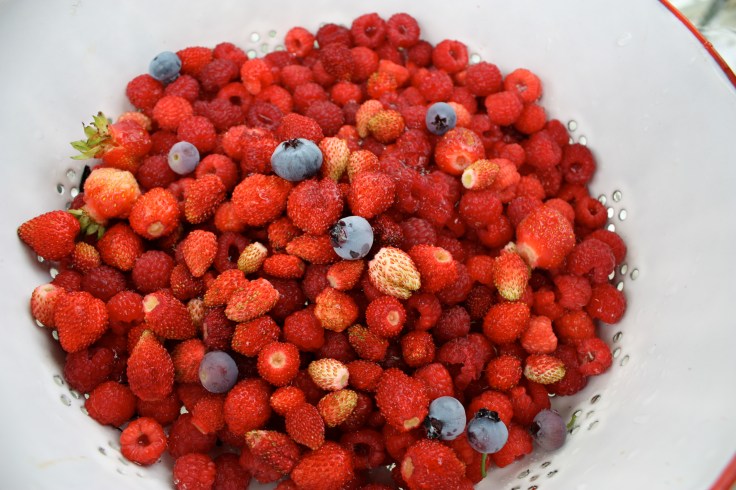 Undaunted by our
 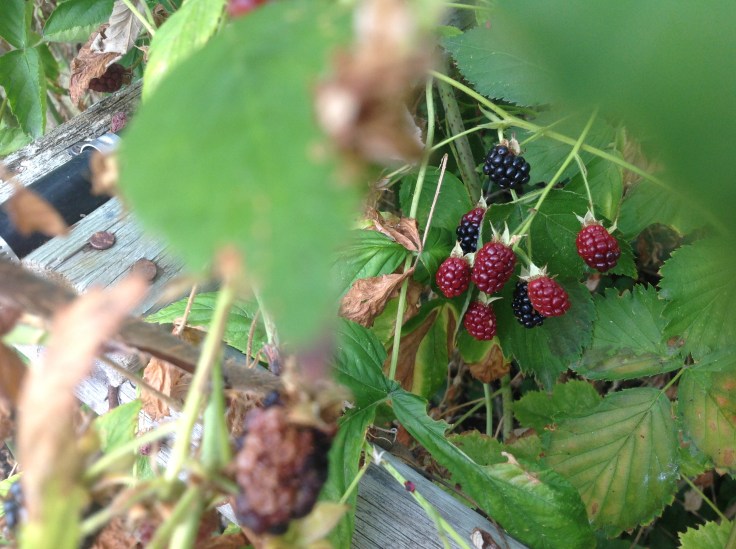 What could go wrong?
 The included 2016 raspberry calendar seemed at first glance to be a handy planting, care and maintenance guide. It in fact detailed what pesticide or herbicide to apply when for what. Malathion, Capture 240EC, Black Label Zn, Ignite OR, Dipel WP… were to help me with hard to control weeds, crown borer, bacterial blight, weevils, caterpillars, leaf rollers, two-spotted mites, botrytis, rust, root rot, fruit worm, spur blight and the new scourge of spotted wing Drosophilia. The chart includes this warning (among others): “Some chemicals are toxic to bees.” Nope. My plan is grow my berries organically and herein lies the challenge.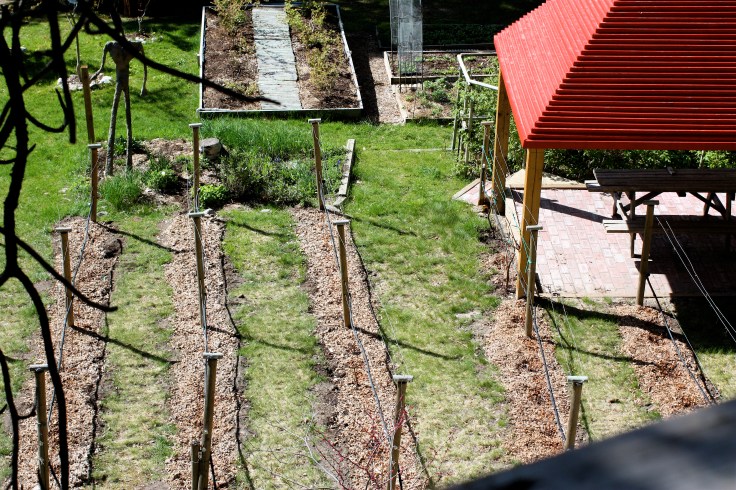

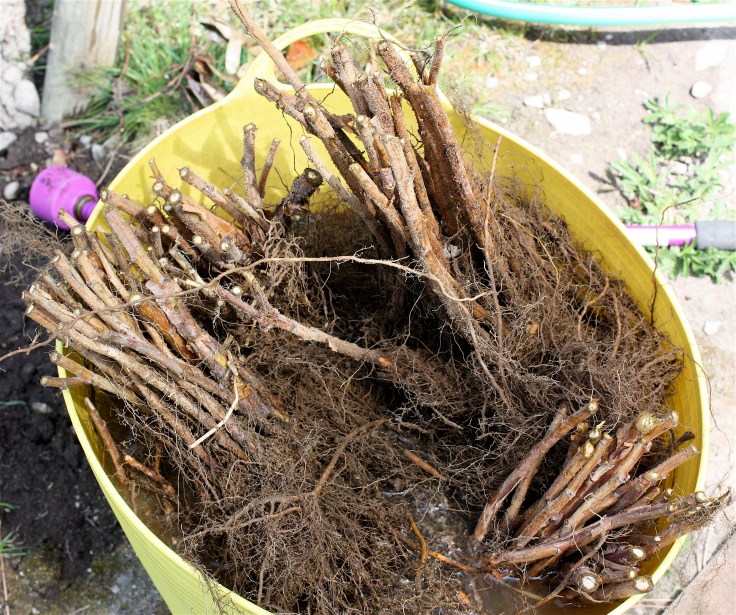 After carefully preparing the rows by digging in lots of compost, we planted these “dead sticks”, watered them in well, turned on the irrigation, mulched the rows and waited. In about two weeks we were rewarded with new growth and happily counted the live ones every day until all 100 showed leaves.

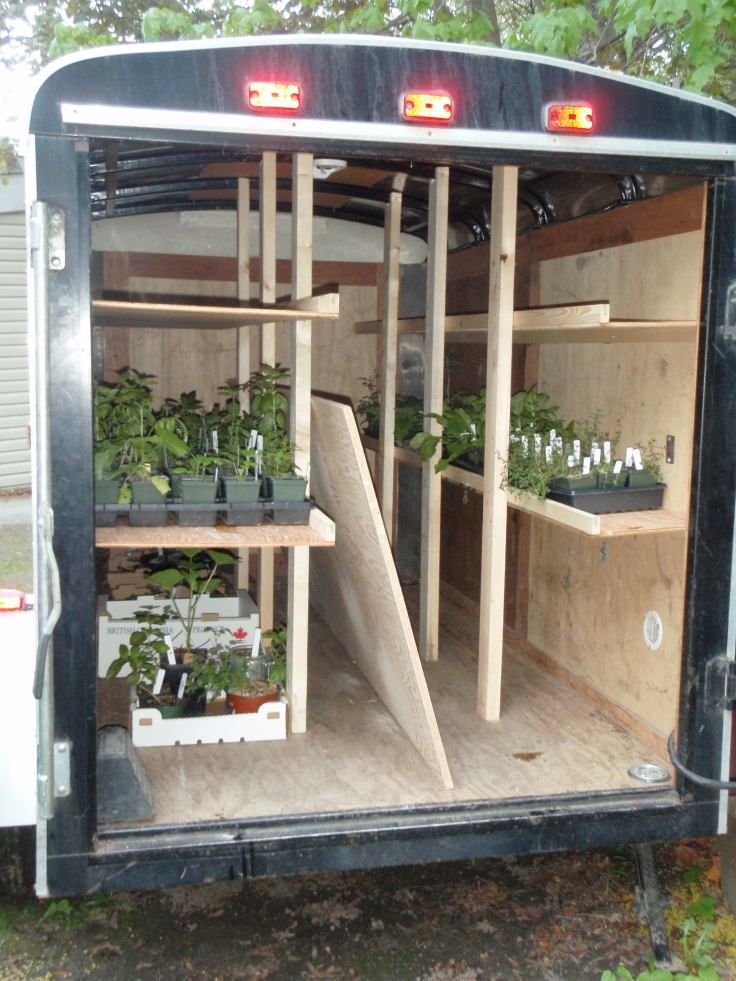
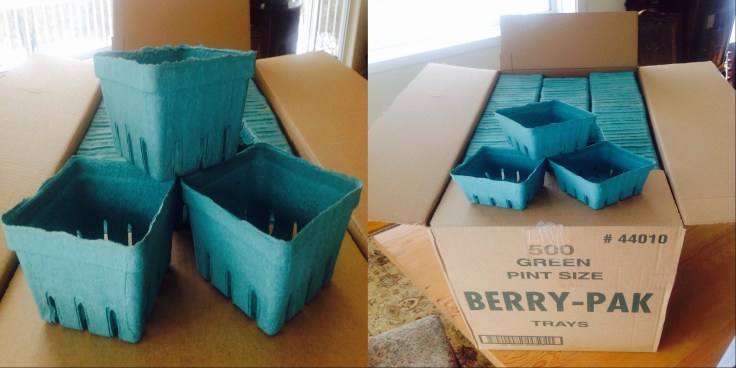 In a ballsy move, I’ve bought a case of berry trays.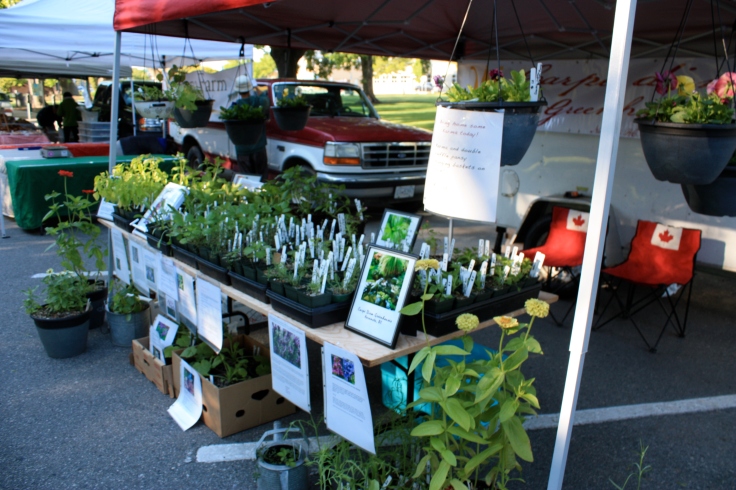


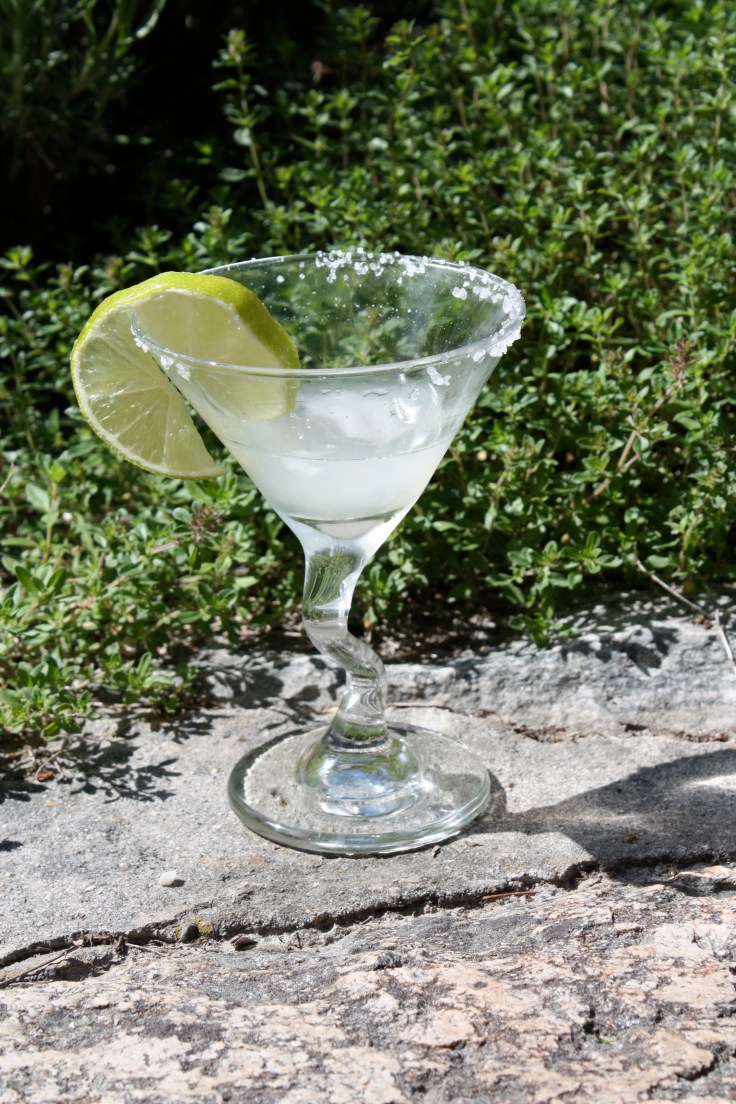 The half-full glass might have something to do with missing the boat on
 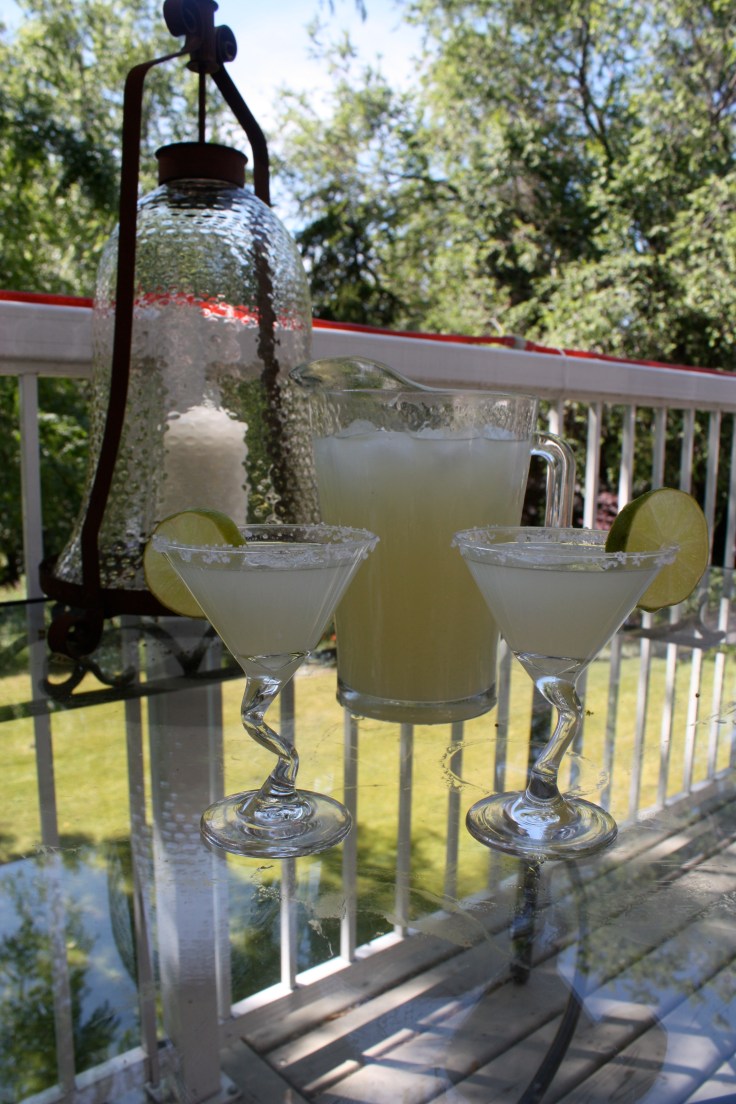 Almost always served by the pitcher…here are some key factors to make your margarita as life-changing as my coffee in a French press is:


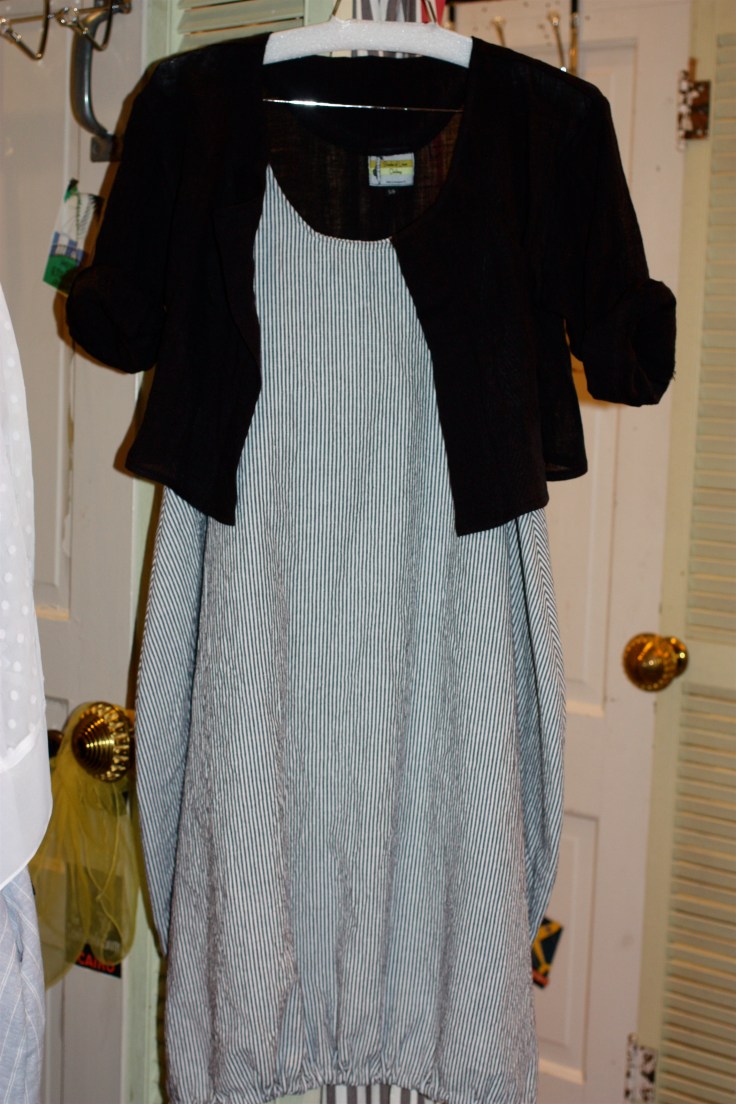
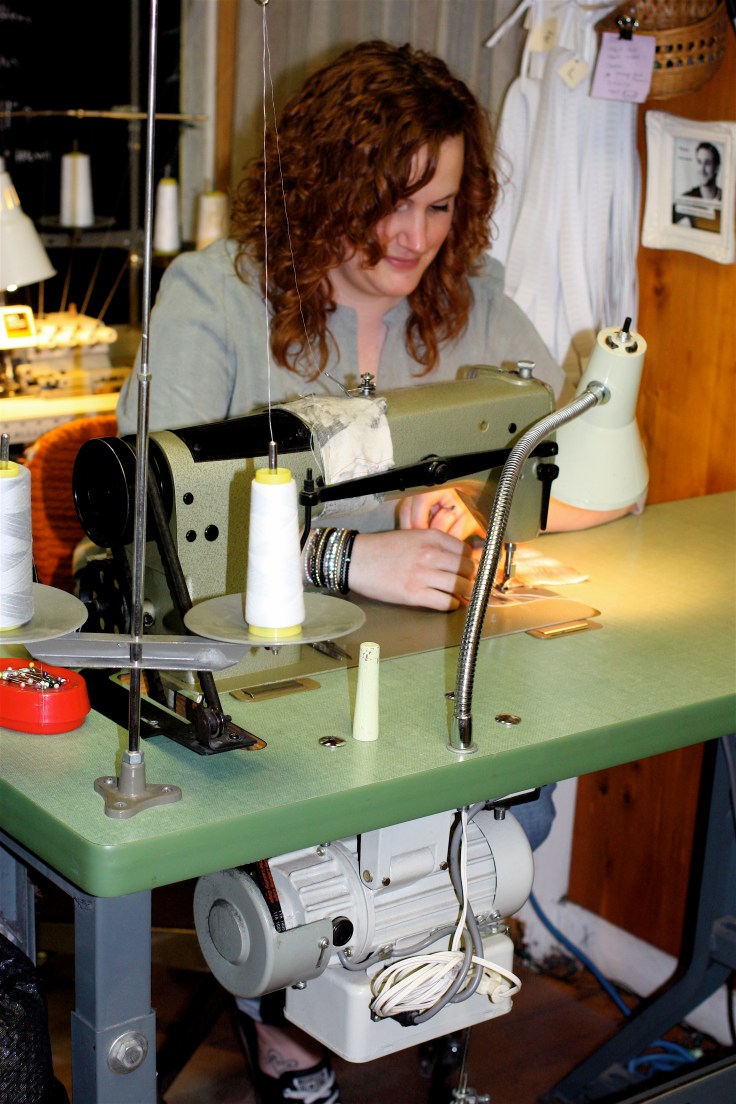
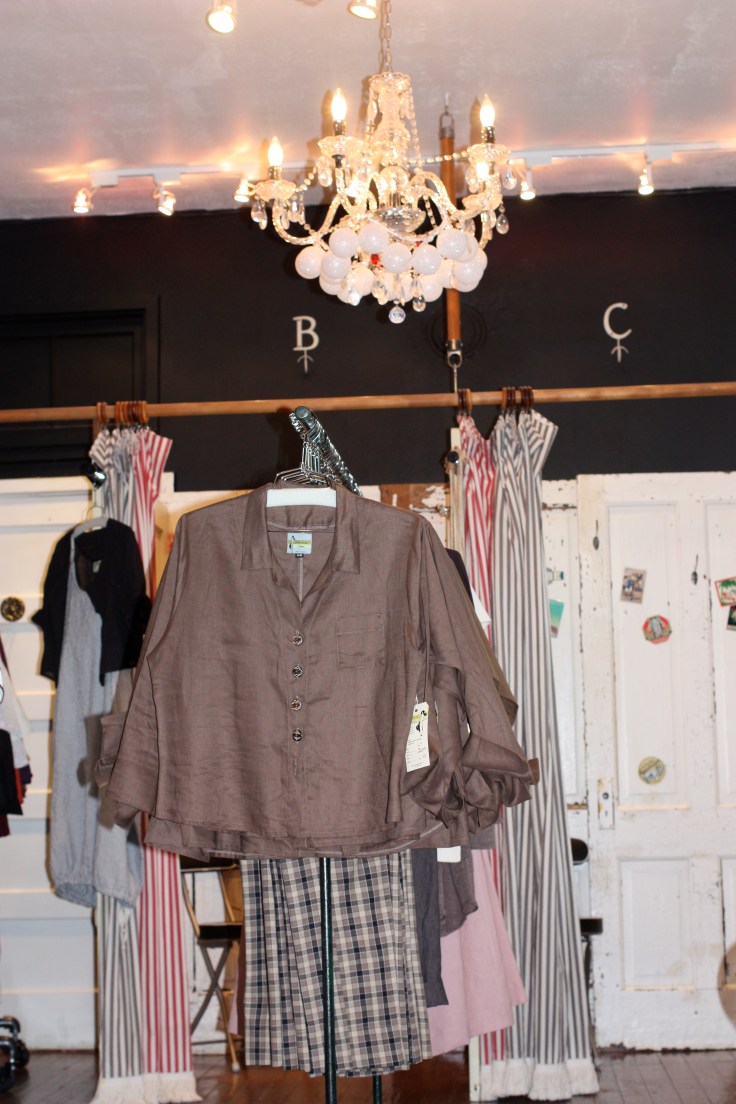
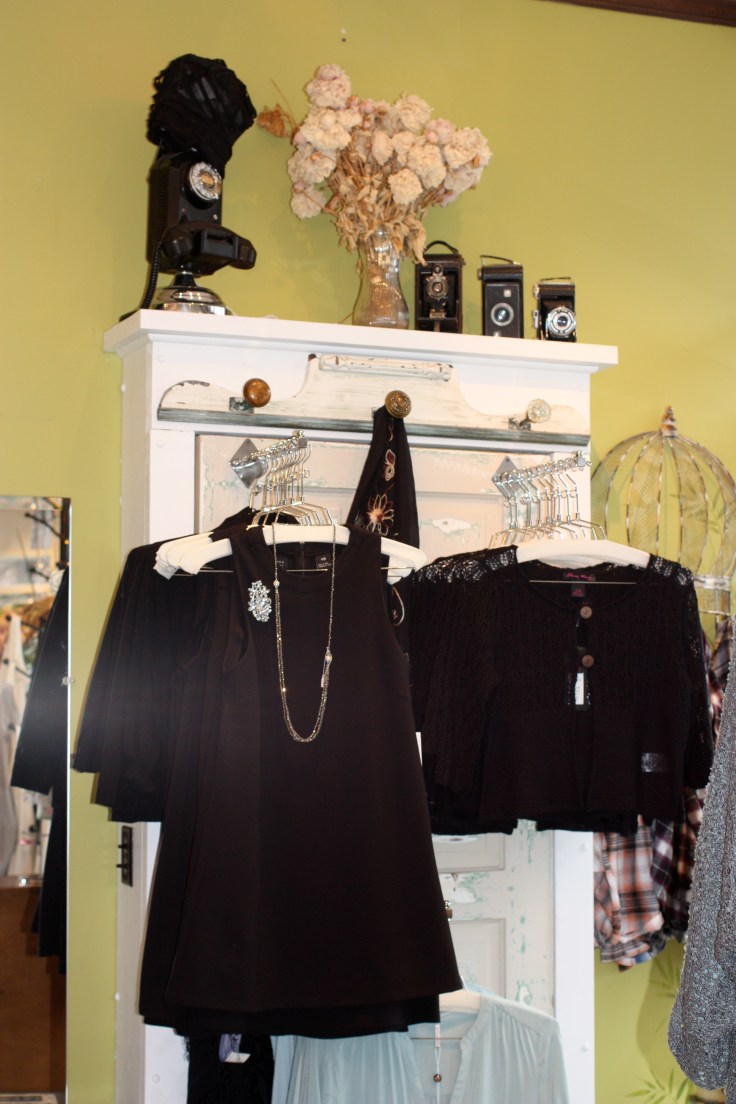
 Fit is also key to the success of Shades of Linen. The designs are well-thought out in the first place to fit comfortably and flatter almost anyone and because they were made in- house, they can be custom fit, and the best part…custom fit for no extra charge. Who does that anymore? My mother-in-law is a typical customer. She saw a jacket she liked but wanted it in black. Voila, a few days later it was ready. Often this transaction happens through the mail where Diane will even send fabric swatches for customers to choose from.



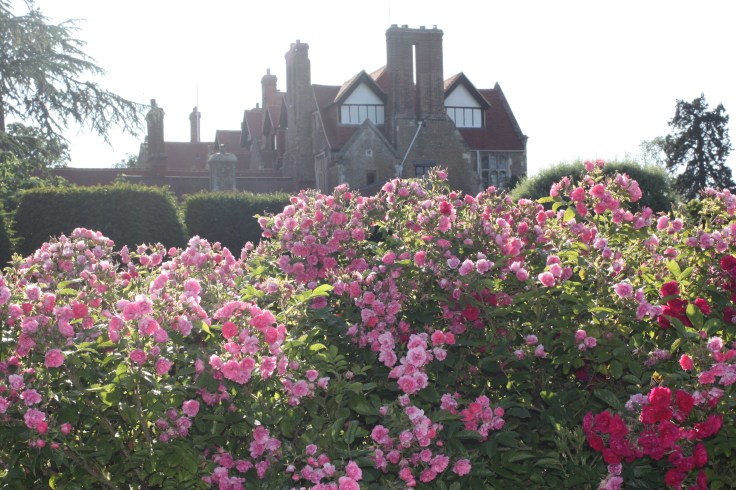


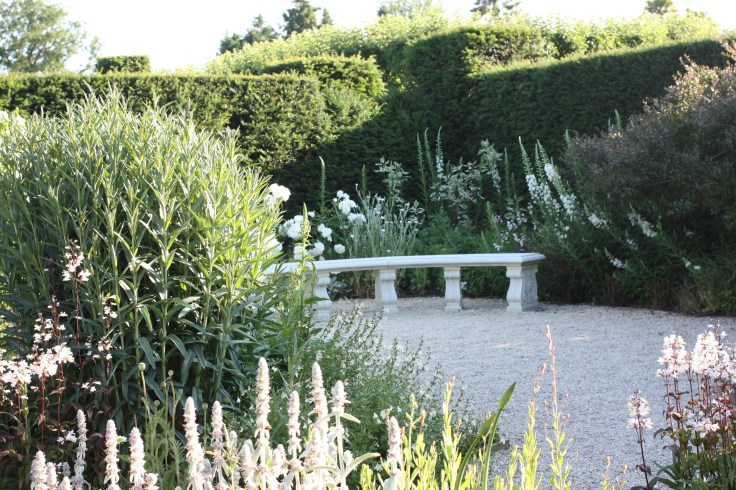
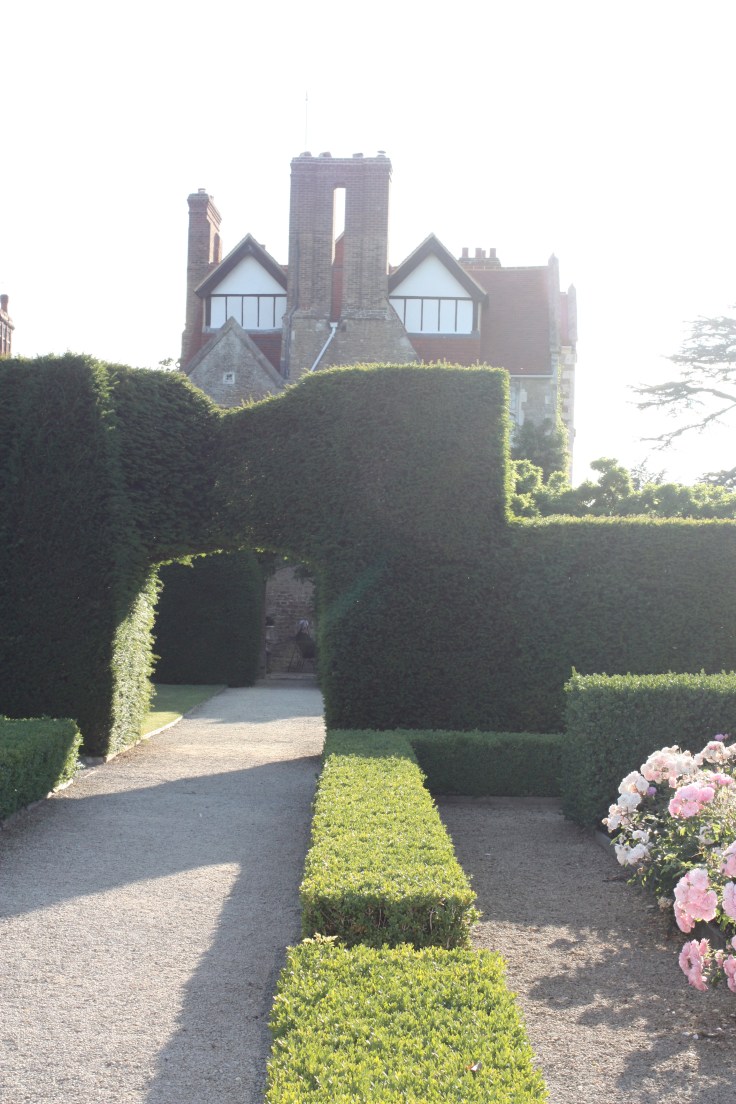
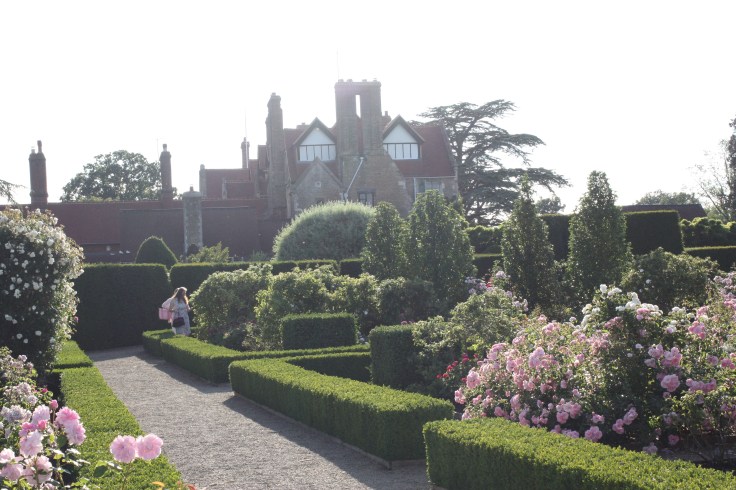 If it looks like the gardens were deserted, it’s because they pretty much were. We were at Loseley for a piano recital by British pianist Emilie Capulet and the garden was ours for an hour in the early evening sun, perfect for photography.
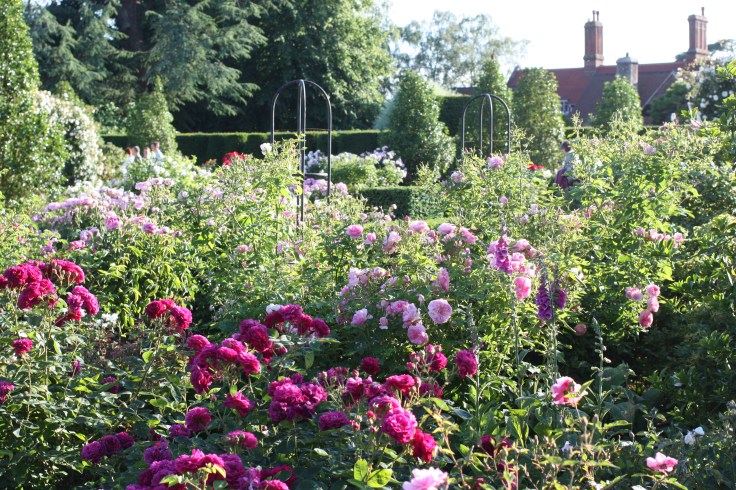

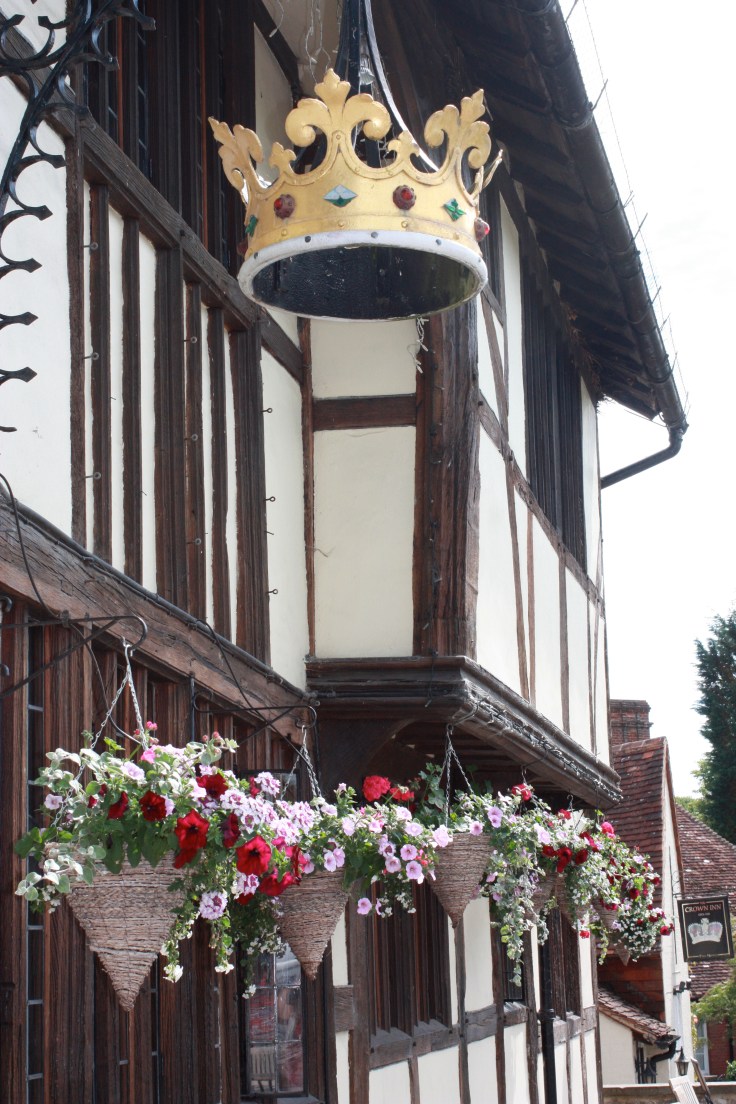 …show, don’t gush…
 A labour of love. Lots of labour…lots of love. The Handyman built me an English secret garden over the past five years. I can’t wait for spring so I’m jumping ahead a few months.

 Handyman can do pretty much anything with some rental equipment. The garden is located on what was a hill. We, well…he raised it even more and levelled it before installing cedar fencing around the perimeter.
 Stuff grows like Jack’s magic beanstalk with the good soil, proper irrigation and the protection from the wind. I’ve never seen anything like it. After moving from Calgary with its challenging gardening conditions its hard to have any discipline or order. I have a tendency to plant some of everything so it’s an editing work in progress.


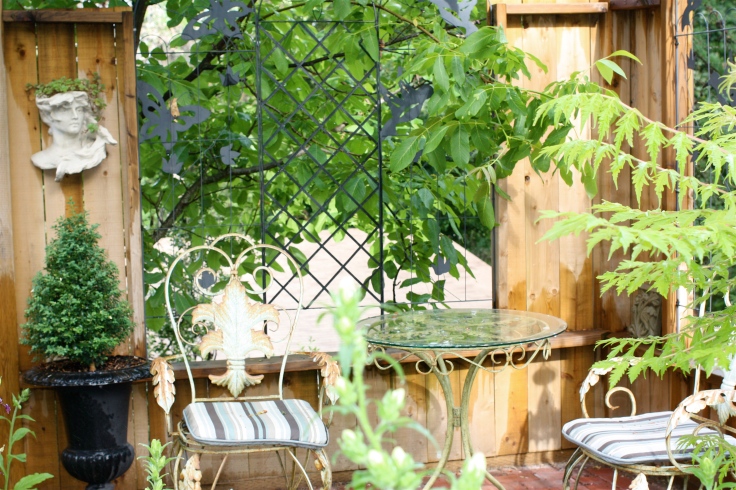


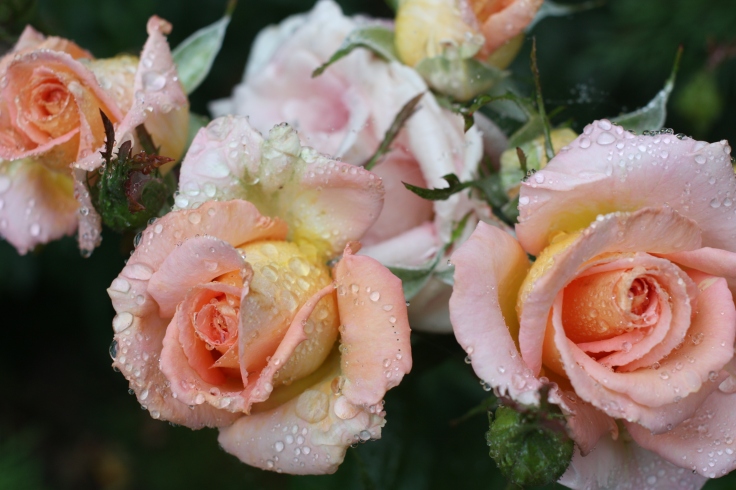

 “The Secret Garden was what Mary called it when she was thinking of it. She liked the name, and she liked still more the feeling that when its beautiful old walls shut her in no one knew where she was. It seemed almost like being shut out of the world in some fairy place.” Frances Hodgson Burnett, The Secret Garden.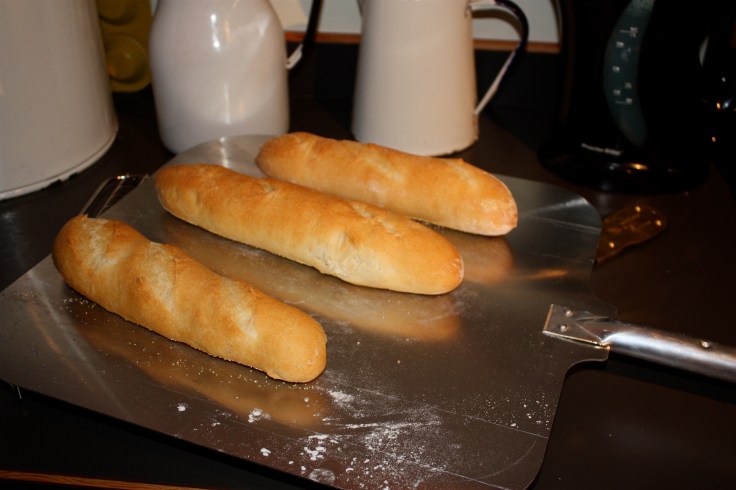
 1.You need
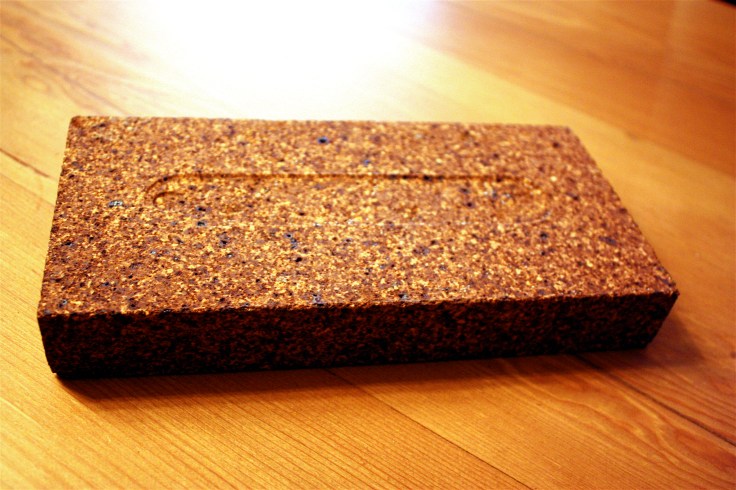 3. Bricks are cheap.
 5. French bread has these four ingredients: Flour, salt, yeast and water. Julia and Paul experimented with fresh and dried yeasts, various flour mixtures, rising times and trickiest of all, how to get moisture into the oven to simulate a French baker’s oven and to give it the right golden colour and crispness of French bread.
 6. With the help of Professor Raymond Calvel, the head of the state run École Professionnelle de Meunerie in Paris, the world’s leading authority on French bread, they cracked the code. A brick in a pan filled with steaming water coupled with a pre-heated clay (or pizza) stone to cook the bread on were the winning techniques. Lucky me, with my new wood-fired oven, I just steam it up with a spray bottle and pop my loaves onto the hearth and no longer need the brick trick.
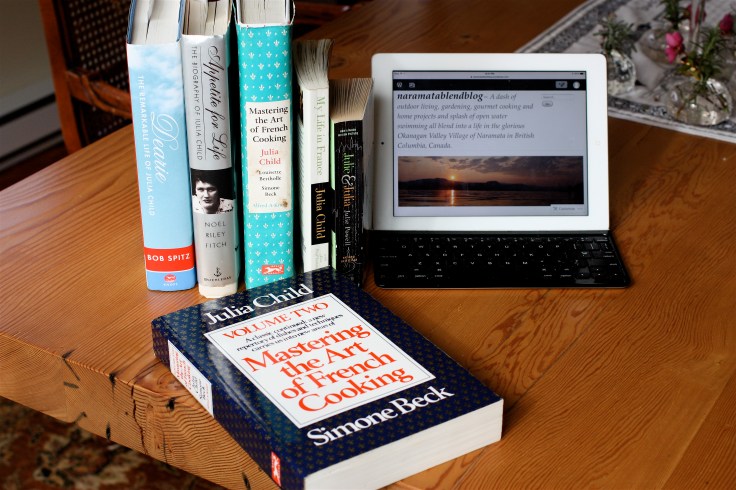
 7. The directions in Mastering Vol. II are unbelievably detailed and include little sketches of exactly how to shape the loaves.
 8. Julia and Paul did all the hard work and loaf burning for us. See my post…Things I lost in the fire…so we don’t have to. If you follow the supremely clear and detailed directions your loaves will turn out…perfectly.
 9. You will get so cocky you might even make brioche.
 naramata-blend