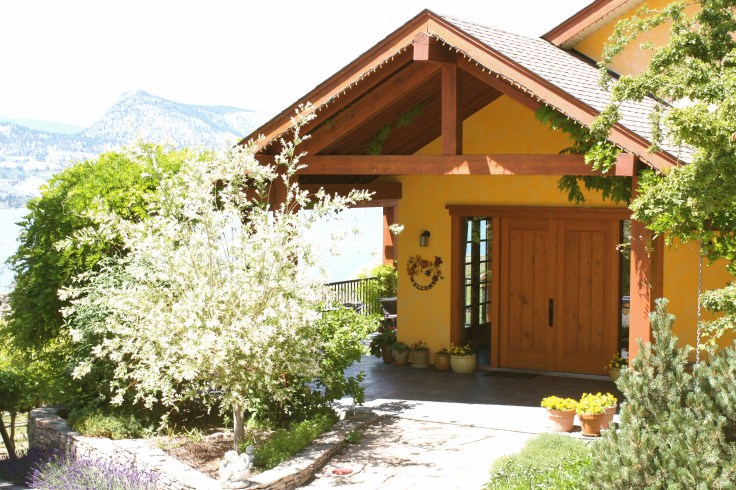
The views on the Naramata Bench just don’t get any better than this.
When Marichel owner, viticulturist and winemaker Richard Roskell is asked what makes his winery special he pauses and chooses his words very carefully: “The offerings from this farm are an expression of love of Naramata. This is a special place for growing and making wine.”
More than just the attention and care Richard pours into the 1,500 cases of Viognier and Syrah Marichel he produces yearly, the farm too is about love. He was persuaded into buying it by his wife Elisabeth in 2000 who fell hard for the beautiful land on a bluff overlooking Lake Okanagan with its incredible across-the-lake view of Summerland’s Giants Head Mountain.
Elisabeth passed away a year ago. “She was key in helping us acquire the farm,” Richard says. “For example, she spoke German with the former owners who were in Germany. We both fell in love with it as soon as we saw it. She is a huge part of what Marichel is today, her efforts and her vision.”
Tasting Room with a View
The vineyard’s name is a combination of the first initials of Elisabeth’s son Marlow, Richard and Elisabeth. I think it sounds lovely and very French.
A retired Air Canada pilot, Richard says he is relishing his second career spent in the outdoors. “There is some useful cross-over from my days as a pilot,” he says. “The discipline you need to approach a problem and the organizational skills definitely apply. But it’s not in any way a mechanical process like flying from Point A to Point B. It’s a much longer and hugely rewarding process to plant vines, watch them grow, tend them and years later literally see the fruits of your labour.”
Richard says his take on wine-making is very hands off. “The wine is quintessentially an expression of the farm. I don’t manipulate the wine…It’s the vineyard you are tasting.”
Anthony Gismondi does a much better job at describing Marichel Vineyard’s Syrah saying, “Mocha, liquorice, black berry jam, port-y nose with intense vanilla, leather, resin, cooked rhubarb notes spiked with garrigue and slightly volatile notes…” Sounds good too me. Here is my description: “Damned good.”
One of two winery dogs that will greet you effusively.
This small winery is a bit of a hidden gem tucked away in Naramata on Little John Road which boasts only two properties…that of our good friends Bill and Pam and Marichel. Richard carefully tends the vineyard himself which is divided up into eight small microclimates. He has left areas of natural plantings on the property which is home to a variety of wildlife. Partway through the growing season he will select prune off a good deal of the fruit to supercharge the flavour of the remaining grapes.
With a quiet, but dedicated following, Marichel is a wonderful surprise for new visitors who are astonished by the dramatic views, special wines and the warm welcome. The tasting room is open daily through mid-October from 11 a.m. to 5 p.m. and 1016 Little John Road is on the lakeside of Naramata Road before you reach the Village of Naramata.
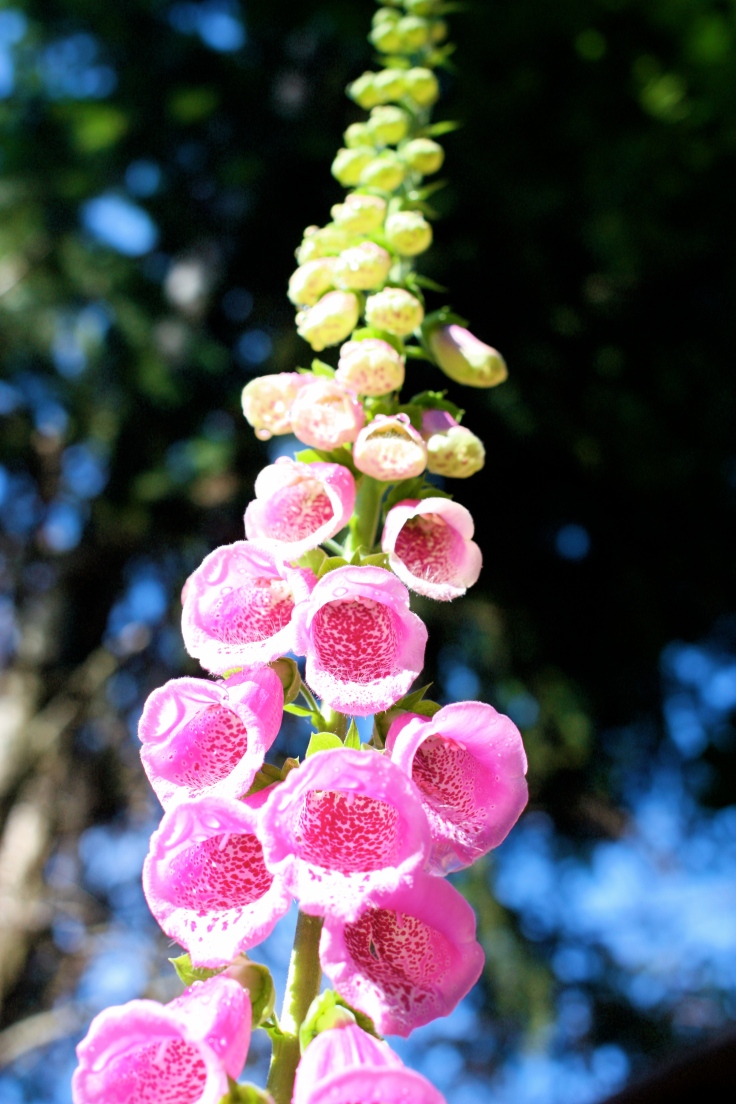
Photo light in the secret garden this morning on my favourite plant of all time.
What does it say about me that my favourite garden plant is deadly? Digitalis, also called Dead Mans Bells, Bloody Fingers and Witches Gloves is toxic but beautiful. A few years ago a US woman poisoned her husband by adding foxglove leaves to his salad. He became violently ill but survived. I guess the guy wasn’t handy.
I prefer to call by them by their more endearing name, Foxglove. Also called Virgin’s Glove, Fairy Caps, Folk’s Glove and Fairy Thimbles, this cottage garden flower is a key reason my secret garden looks magical this morning. I grew all the foxgloves in my collection from seeds in the greenhouse…many of them ordered from Plants of Distinctionin England. Some of my favourites are Candy Mountain Peach (see, not a sinister name at all)…the bells face upwards in this one, Camelot cream with its densely clothed stems of Guernsey cream bells, Elsie Kelsey, with its beautiful snow white bells and a raspberry jam lip and obscura with a nodding red-veined yellow flower from Spain. Heywoodii is of the palest of pinks with heavy freckles with densely packed bells on a dwarf plant. Mertonenisis is also a very fine hybrid reproducing truly from seed with its crushed strawberry bells…I could go on.
I like the way they look mixed in with lupins.
They are virtually maintenance free and hardy. It took some patience as most are biennial. I had to nurture my seedlings, harden them off, plant them and wait another whole year to see their bells. They will grow in a number of soil types as long as there is good drainage. Most are hardy to zone 4.
Once your foxgloves are blooming let them for for as long as you can. Your goal is to allow the plant to go to seed and for the seed to dry so it can be scattered around the garden. Yes please. I love the unkempt look of the garden with self-seeders.
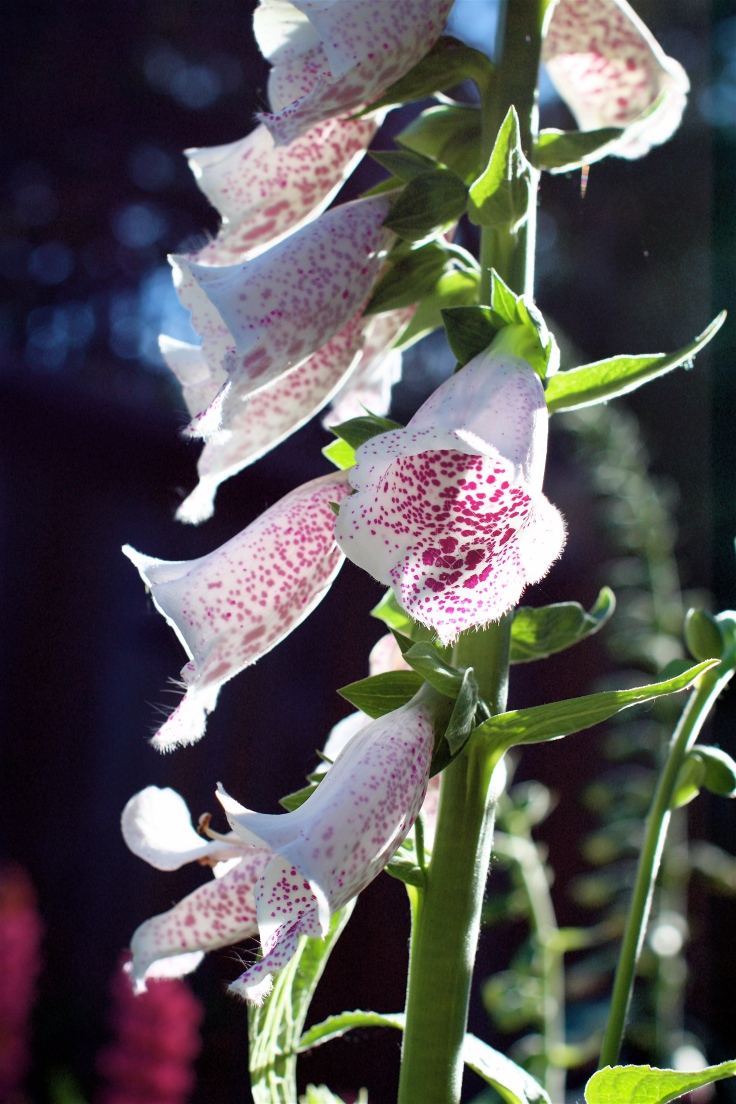
Bees love foxgloves and their blooms are entirely dependent of the visits of this insect. The projecting lower lip of the corolla forms an alighting platform for the bee and as he pushes his way up the bell, to get at the honey which lies in a ring around the seed vessel at the top of the flower, he rubs on the pollen. A single foxglove can provide from one to two million seeds. This particular plant is a whopper with beautiful markings towering above my head. They love the dappled shade of my secret garden although they will tolerate full sun.
I love they way their dramatic spikes of tubular flowers with speckled throats add elegance and height to my garden.
They look nice among my climbing rose.
Foxgloves are pretty darned handy. They are used to produce the important heart drugs digitoxin, digitalin, digitonin and digitalenin which are extracted from the leaves. The drug increases the activity of all forms of muscle tissue, but more especially that of the heart and arterioles, the all-important property of the drug being its action on the circulation.
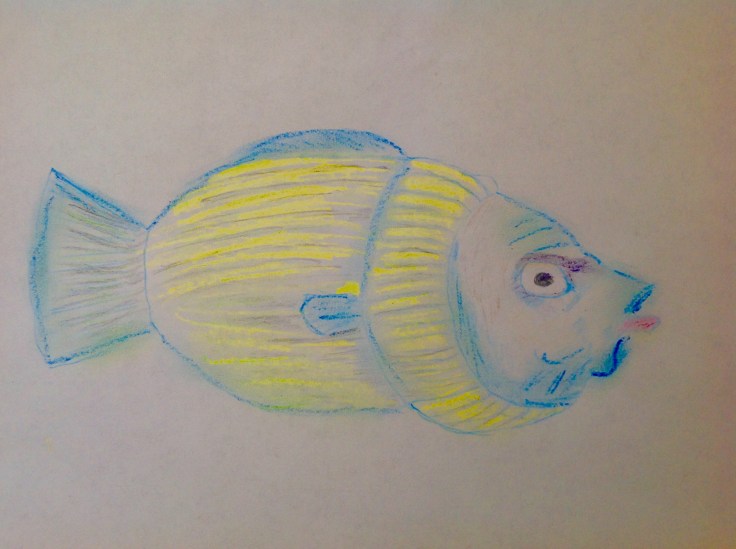
“It’s so freaking cold that the fish are wearing sweaters.”
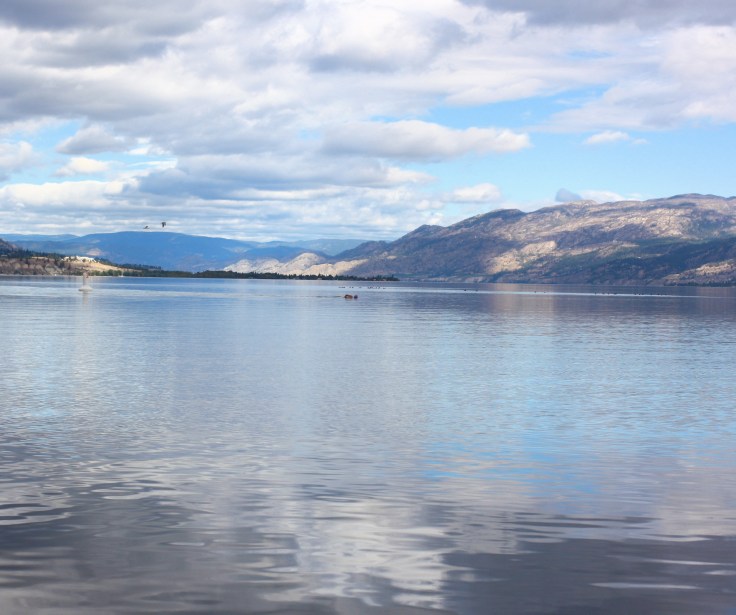
We have been in the lake since May 9th training for our chilly relay swim across the English Channel this summer. Our conversations have been going like this as we stand in the water trying to talk ourselves into actually swimming:
“Colder than yesterday, which was colder than the day before. How is that possible?” — Me
“Just get in.” — Charlie
“Don’t rush me.” — Jan
“It’s a good thing we don’t have balls.” — Me
“Maybe we do.” — Charlie
“I just saw a fish go by. It was wearing a sweater.” — Me
“Just get in.” — Charlie
“Look at the ducks on the shore, I think their feet are frozen to the ground.” — Me
Charlie checking the lake temperature. Sometimes it’s better not to know.
When we start whining I bring up teammate Jaime who is swimming in chillier waters in Alberta. The day she went in when it was 7 degrees in the water with an air temperature of 8 and it was snowing a bit was pretty hardcore. We have been swimming in 12- to about 15-degree water and once in, over the initial ice cream headache and teeth-aching first few minutes we are actually finding it almost “enjoyable”. We have the lake to ourselves as even the hard-core Ironmen are still in the pool. We’ve learned to trust that this too shall pass and we actually will find it bearable.
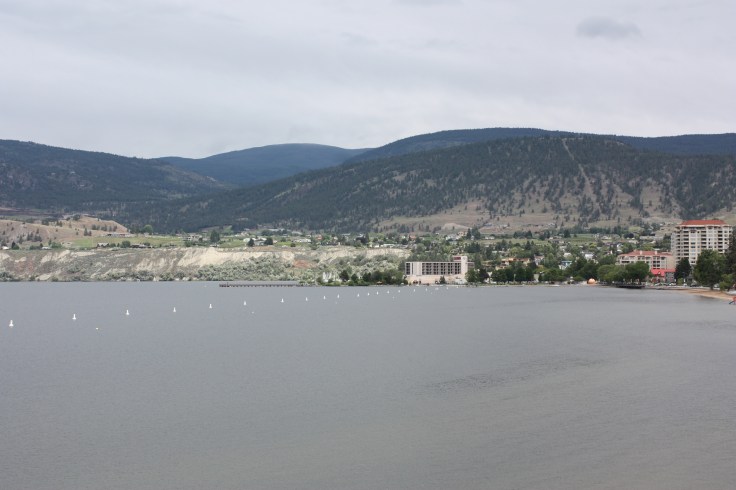
We have a perfect one-kilometre swim route from the Peach (giant Peach concession stand) to the SS Sicamous (historic paddle wheeler) which is protected from boat traffic by a line of buoys.
The glass is half-full…of lake water
The cold water is helping our immune system. It helps boost the white blood cell count because the body is forced to react to changing conditions. The cold actually shocks your system into rallying its defences.
We get an endorphin high because it brings us close to the pain barrier or on some days through it. The pain stimulates endorphins and voila…it hurts so much it makes us feel good. Something like that…
It boosts our circulation and flushes our veins, arteries and capillaries. The cold water forces blood to the surface and pushes the cold downwards.
It burns a few more calories.
Cold water swimming places stress on the body physically and mentally. So, go figure this one…those stresses reduce life stress making us more calm and relaxed.
You actually habituate to the cold water. You find it hard to breathe for the first minute or so but you settle in, relax and get used to it. You learn it won’t kill you.
The pain of immersion never disappears but the cold shock response will reduce somewhat after about five or six cold water swims.
It makes you feel BAD ASS to be out there when it’s frigging cold and wavy and people on the beach stop and stare. You learn you have the power to master the cold.
A rare calm day. Nice for swimming but not great for our Channel training.It is really mind of matter for the first few minutes…every time. You learn to trust that the initial shock will wear off and the sense of revitalization you get afterward is worth it. My new secret pleasure is a hot bath of about equivalent swim time with Saje Apres Sport bath salts. Good thing we have solar panels for our hot water.I don’t know if I will be swimming in early May next year though… Probably will wait until June.
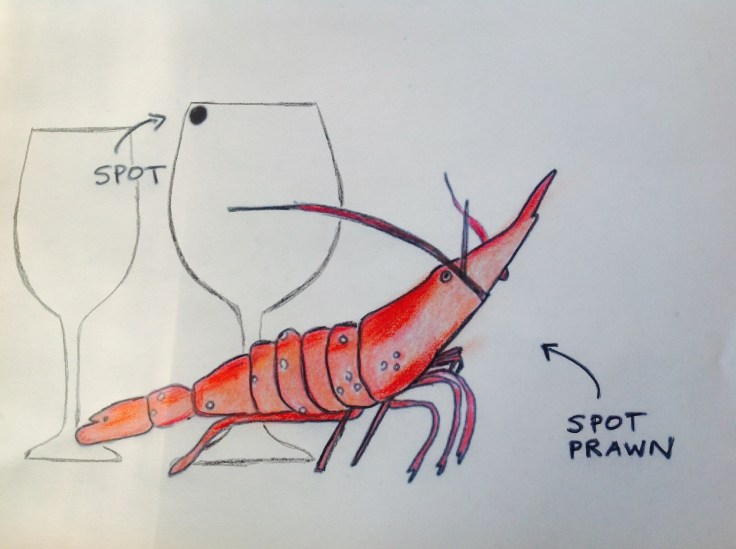
These BC delicacies taste better than any prawn you’ve ever eaten…they should…they cost an astounding $18 a pound.
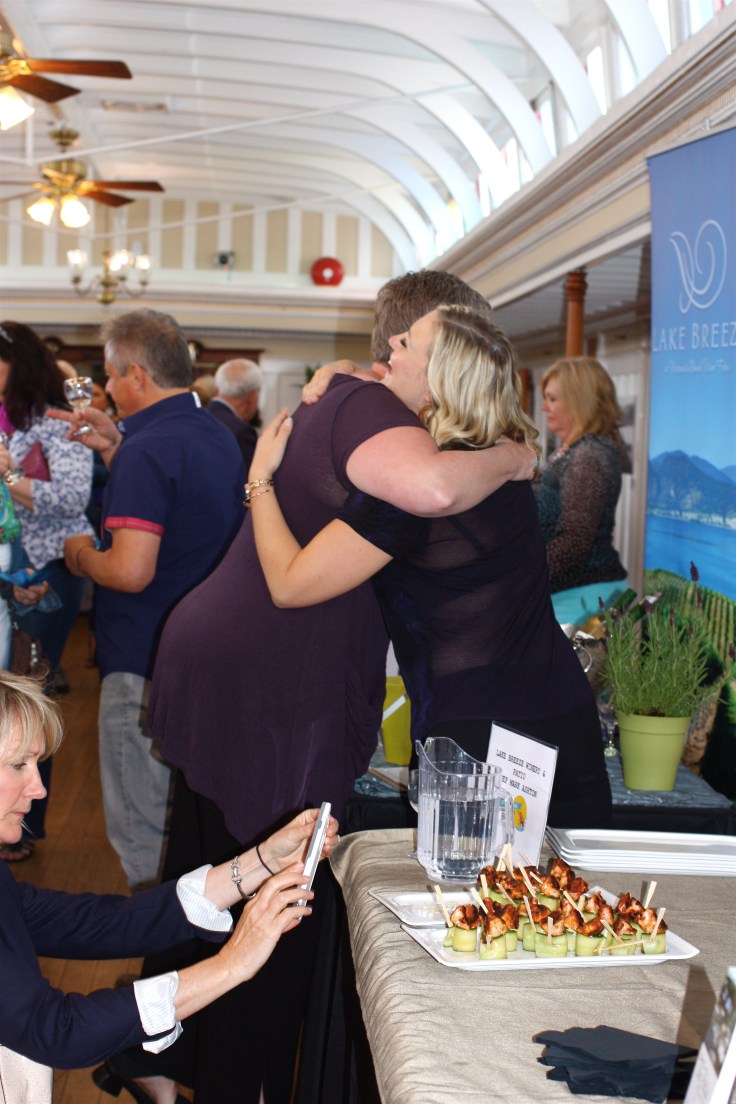
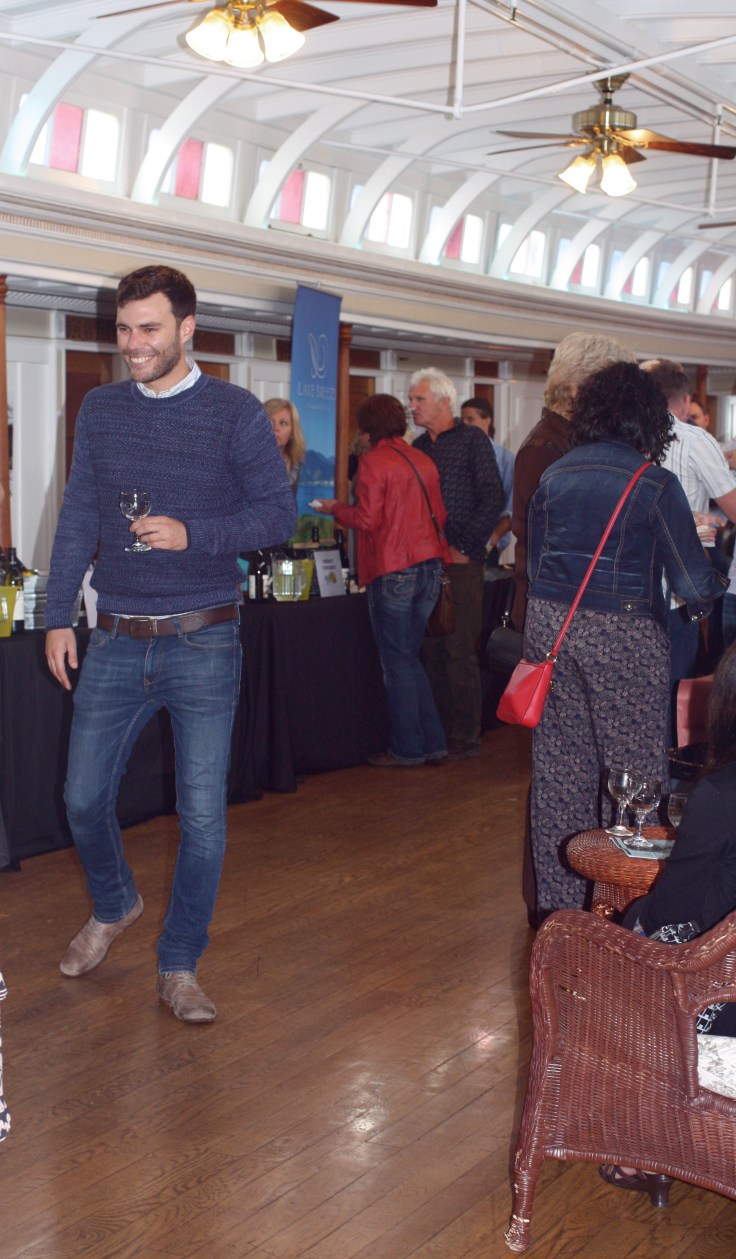
A sold-out crowd of about 100 wined on 10 Okanagan wineries’ takes on Sauvignon Blanc and dined on three famous local chefs’ versions of spot prawns on a heritage paddle wheeler. I have a wonderfully scribbly, tomato-stained notepad to show for it and a spot or two of my own on my white blouse. OK by me. It was just the right number of people to fill the beautifully-restored SS Sicamous to create a convivial buzz of talk and laughter and the feeling that this was the perfect place to be on a Sunday afternoon in Penticton.
The inaugural Wine Party (Jennifer Schell and Terry Meyer-Stone) spotlight event was designed to focus on a local sampling of a single varietal paired with the BC shellfish that has risen to superstardom in the seafood world. Spot prawns are such a big deal in the culinary world that it’s gotten to the point where it’s very hard to part fisherman from some of their catch before it heads overseas to lucrative markets and if you do, the prices are higher than for lobster. This year’s catch is 50 per cent more than last year’s, partly because Asia’s farm-raised tiger prawn industry has been decimated by a disease.
The S.S. Sicamous almost stole the show from the spot prawns, Sauv Blanc and the food and wine lovers, wine critiques and wine industry guests at the event.
What’s the big deal about spot prawns? The little critters are large, sweet, firmly fleshed and are harvested sustainably for about 80 days every spring off BC’s coast in the inside waters of Vancouver Island.
The Spotlight on Sauvignon Blanc and Spot Prawn Festival chefs worked some magic with those already tasty crustaceans.
Chef Mark Ashton of Lake Breeze’s The Patio created a lime creole cream blackened spot prawn that was my favourite. It was the cream…
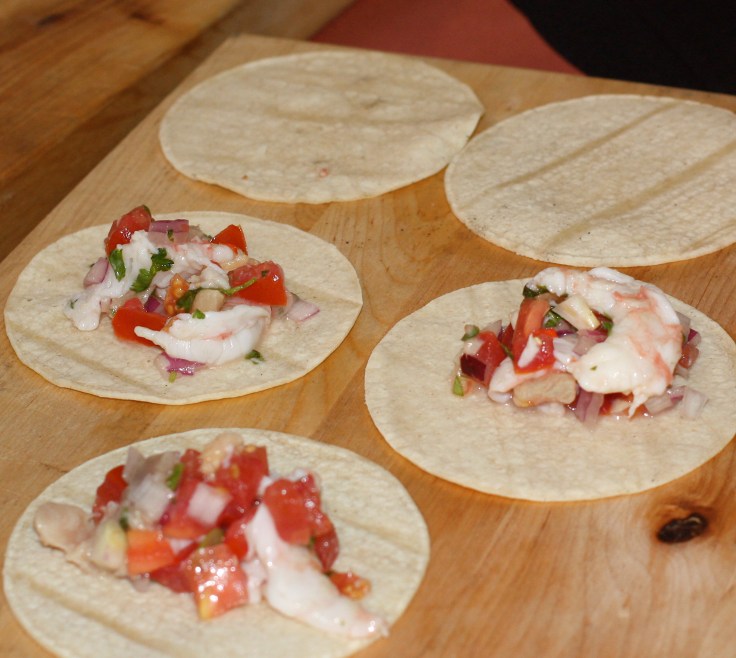
Chef John Burke of Penticton’s Front Street Brasserie did his version on a Vietnamese Banh Mi sandwich. Here is where my scribbles got the best of me…ingredients included spot prawn, lime, pickled carrot, mint and cilantro and pickled green chili peppers. Apologies Chef Burke if I’ve left anything out. These had a delicious and refreshing hit of lime and were unbelievably tasty.Chef Ross Derrick of The Table at Codfathers Market in Kelowna got his spot prawns from the market’s fishmonger, Jon. He served his ceviche-style and added in albacore tuna to the spot prawn mix with a super fresh tasting pineapple, lemon and lime juice with a hint of chili and garlic with a tomato pico sauce and some spicy cream fraiche. Yum. This is where it got a bit messy…
I now get what the big deal is about spot prawns. A doggie bag would have been an idea…
“Our Wine Party brand is about education as well as fun and this type of event allows people to experience a range of styles produced here in the Okanagan,” says Jennifer Schell. We are spotlighting the local version of the varietal — many wine drinkers immediately think of New Zealand when they think of Sauv Blanc — so we are aiming to redirect their palates here.”
Fairview Cellars, located at the north end of the Benches of the Golden Mile, offered a thoroughly enjoyable Sauv Blanc.
Lovely glasses of summer-in-a-glass Sauv Blanc was poured by these fine wineries:
“Can you believe this venue?,” says Jennifer. “I immediately fell in love and couldn’t believe I hadn’t been on it before. That will not be the last Wine Party event on the SS Sicamous.”
SS Sicamous was built for the Canadian Pacific Railway in 1914 and is a landmark at the northwest entry to Penticton on Highway 97.The event took place largely in the Ladies Saloon which features a large mirror and electric lights from the early 1900s. The luxury class passenger vessel used to transport passengers and cargo to remote communities along the shores of Okanagan Lake.I snuck away from the crowd to savour a glass of Lake Breeze Sauv Blanc in this lovely part of the vessel. The ship is now operated by the SS Sicamous Marine Heritage Society, with help from the City of Penticton.
We’ve come a long way baby. I wonder what the crew of the ship would make of the wine and spot prawn party and some of its interesting guests?
Renée Stewart (Operations & Sales Manager) and her mom, Jeannine Fradelizio are pictured here with Jeannine’s cool invention, Wine Glass Writer. These fantastic pens helped me keep track of my wine glass throughout the event. Beats a wine charm. Who can ever remember which charm you had?
Award-winning cookbook author Jennifer Schell at the launch of her new book, The Butcher, the Baker, the Wine & Cheese Maker in the Okanagan, at Bench 1775 Winery on the Naramata Bench overlooking Okanagan Lake. Photo: David McIlvride, Spatula Media
Within five minutes of dipping into Jennifer Schell’s new collection of recipes, the stories of the chefs who crafted them and the artisans who provided the amazing local ingredients and the libations to accompany them, I knew she was preaching to the choir. And I say hallelujah. To anyone who delves into this beautifully written and designed cookbook who isn’t yet in the I-love-the-Okanagan-choir, your robes await.
Jennifer has the enviable good fortune of being raised on an orchard in Kelowna and has marinated herself in the area’s rich and growing artisanal food culture. She describes the book perfectly as, “A love letter to the Okanagan and to all those who have created, grown, and nurtured our special valley on this earth. They are a delightful confluence of old and new world, blending their international influence and flavours with our local bounty, establishing a cuisine that is distinctly Okanagan. Through their recipes and stories, I am pleased to introduce you to these gifted people who bring this local food to your table every day.” I love her love letter. Here’s why…
I whipped up a batch of Bean Scene’s best-ever ginger cookies from the Brunchie Lunchie section to fuel a cover-to-cover read. They were the best-ever.
During my first flip through The Butcher, the Baker, the Wine & Cheese Maker in the Okanagan, I was captivated by the photos, most taken by Jennifer herself. The photos are professional in quality but somehow capture the warmth of her subjects and the beauty of the dishes without that slick over-styled look so common in magazines and cookbooks today. I’m not sure what secret sauce went into the picture-taking, editing, lay-out process in this TouchWood Editions book but it worked.
On a second pass through I began virtually cooking and baking, selecting recipes that caught my eye and looked easy or doable and even ones that I could see taking on as a challenge like Chef Bernard’s “twisted” carrot cake and Cheffrey’s wild boar ragu. How cool would it be to serve up Wild Moon Organics Berkshire pork meatballs in tomato sauce or, cedar-roasted chicken with spruce and sumac or, pan-roasted arctic char with braised beluga lentils and smoked heirloom tomato-peach gastrique and blow the socks off my guests on our deck?
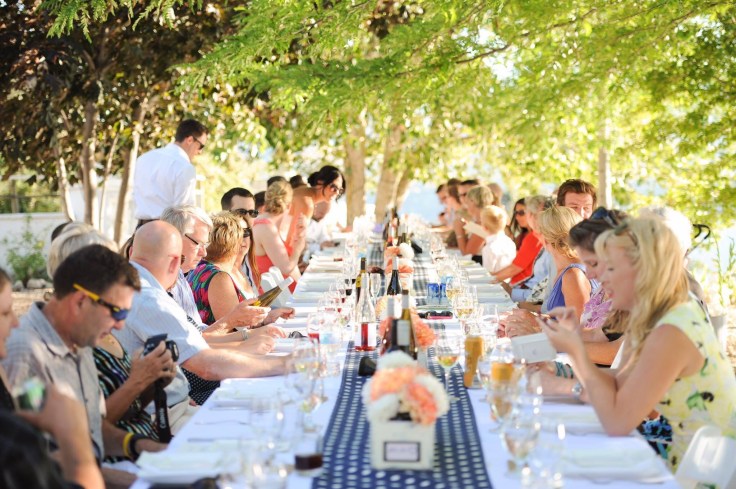
Summer dining Okanagan style at my nieces’ wedding at Gods Mountain catered by one of the chef’s featured in the cookbook, Dana Ewart of Joy Road Catering, Penticton. Photo: Jarusha Brown
I then began spotting familiar faces of many chefs, farmers and others from my Naramata hood, the Penticton Farmer’s Market or restaurants we frequent and I had to check out their recipes and stories…Chefs like Dana Ewart, one half of the Joy Road Catering team (Cameron Smith is the other half). We look forward to her cinnamon buns every Saturday at the farmer’s market and have been guests at the best wedding feast I’ve ever attended that they catered. This is a bit of a digression…but here are a few photos of that wedding banquet all taken by Jarusha Brown and catered by Joy Road…
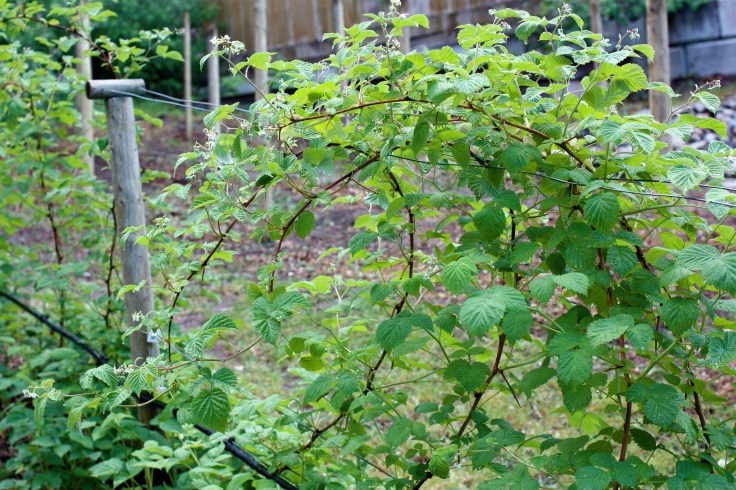
On my list of for-sure-recipes to make very soon with the first of our Carpe Diem raspberry crop is The Bench raspberry almond tarts. I plan on taking my cookbook over when we stop for lunch at The Bench and go over the recipe with Chef Stewart Glynes. He has been my go-to guy for pastry and baking questions for sometime now. To say we are Bench regulars is a bit of an understatement…The Handyman has a custom sandwich called The Fussy Chicken there. It was fun to see Stewart sourcing his berries from my neighbour James Young who has crammed acres of production into his 0.39-acre property. James was a great help when I first got my greenhouse. I’m hoping Stewart will be a key customer for our raspberries.
I was also delighted to see my pal Karolina Born-Tschümperlin of Forest Green Man Lavender Farm(previous blog post) in a magical pairing with Legend Distilling, just a stumble from my house (previous blog post), to create the Legendary Green Man Lavender Martini recipe. Yes please.
No self-respecting cookbook reviewer can do a proper job without actually getting some flour on that book and cracking the spine a bit. (Although I must say that I would buy this book even if I didn’t intend to bake or cook a single thing from it. The photos and the stories of the valley artisans are fun just to browse through and I plan to leave a copy in my guest room.)
Jennifer has kindly agreed to let me share a few recipes I’ve made in upcoming blog posts. The instructions were clear, the recipes produced delicious results and I’m in the enviable place to source the actual ingredients used. I’m sure you can seek out the artisans in your hood to provide you with top-quality, lovingly produced, sustainable ingredients that will at least come close.
The view from Bench 1775 Winery, labelled The Best Patio in the Word, the venue for the book launch. Its winemaker Val Tait is featured in the cookbook with a Bench 1775 Blissful Mojito recipe.
Here is a brief Q & A session with Jennifer:
How long does it take to put together a book like this, what were the biggest challenges and the most enjoyable part of the project for you?
I set a rather ambitious schedule for myself. The current cookbook took five months. The biggest challenge is the cookbook creation process, but also the most enjoyable part for me, is the photography. There is a lot of scheduling and driving around, but I truly love visiting with the people, old friends and new, and being able to visit their farms or restaurants, see what they are working on and catch up with their news. These people never fail to inspire me. Each has such passion for their craft and community, and after each and every meeting, I am super charged and can’t wait to share their faces and their stories with my readers.
What recipe should I make first and why?
It is hard for me to pick a favourite recipe so maybe if we go with what is in season. If there is still rhubarb out there (yup…some left in my garden), I would suggest my mom’s rhubarb pie. I also love the simplicity of the Apple Cake on Wheels and local apples are always available in the cold storage of BC Tree Fruits. Potatoes should be ready soon and the Sunshine Farm Heritage Potato Flan is a winner. OK, that was three instead of one. Sorry, every recipe is wonderful!
(Throw down accepted…I’ve already made the Apple Cake on Wheels…excellent…)
What’s next in the works for you?
I swore I would take a break after this last book — but, I can’t stop now! Too many stories to share and new farmers and drink makers and butchers and bakers to meet! I am working on the outline of the next book now.
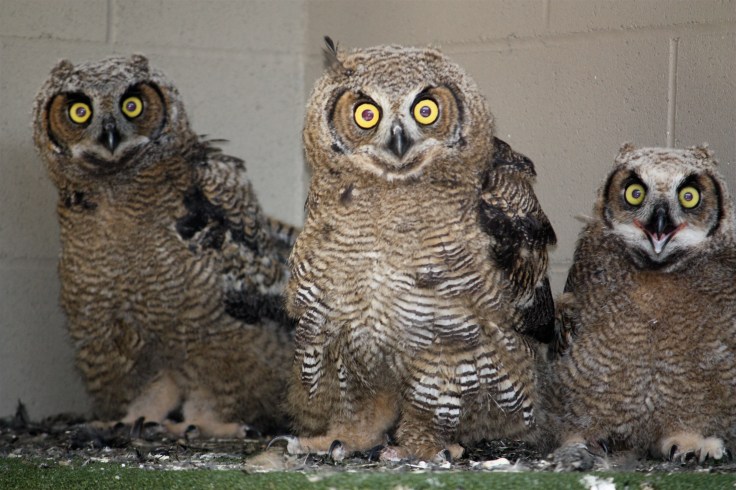
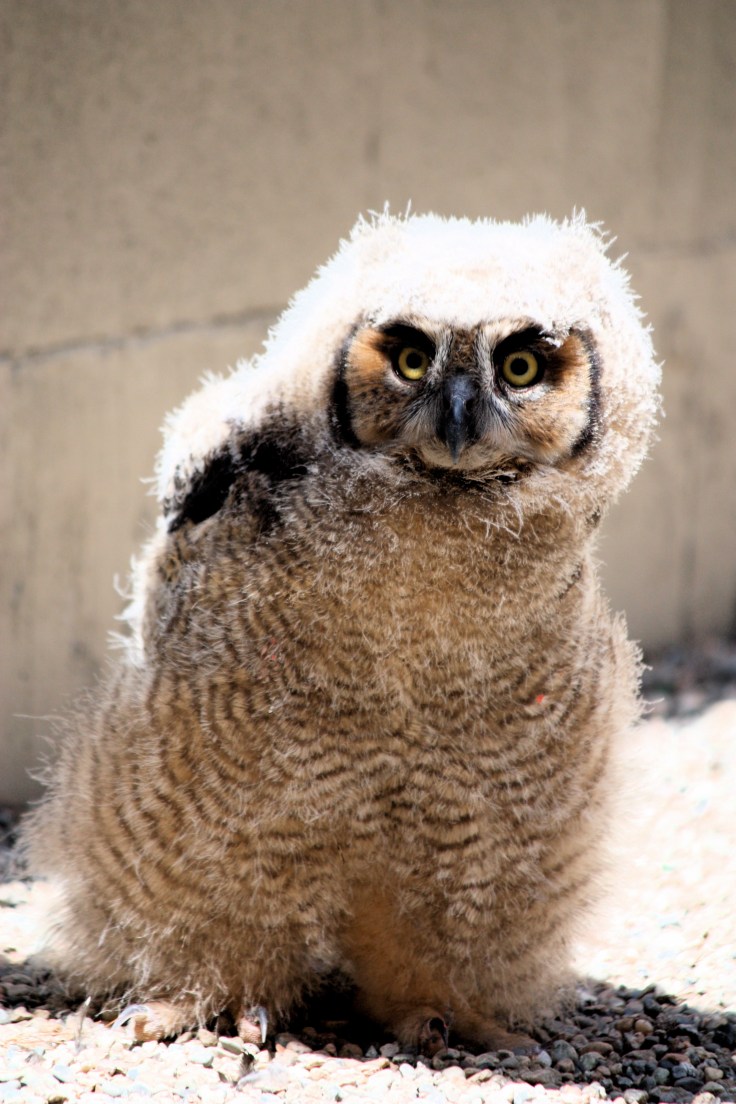
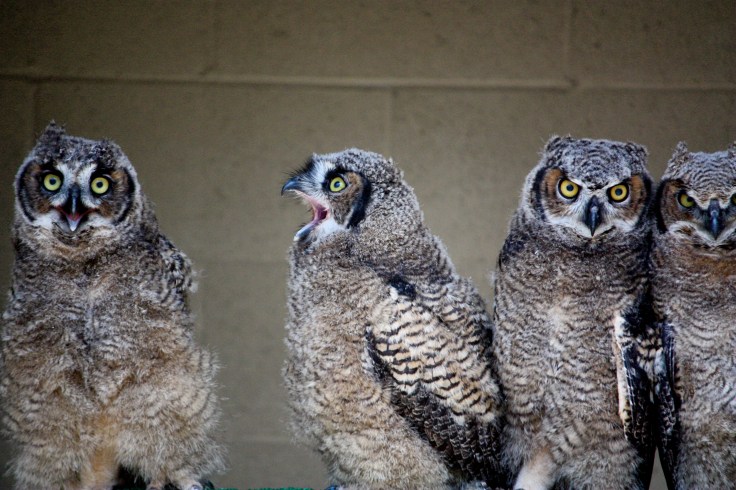
This trio of 10 to 12-week-old great horned owls will be released in July
Days like this are why I blog. Days like this are why I started my career as a newspaper reporter. To have the extraordinary opportunity to spend a day behind-the-scenes with dedicated and passionate people, to capture and share the experience with my skills and every once in awhile to help is the ultimate reward.
SORCO Raptor Rehab Centre, near Oliver, British Columbia cares for injured and orphaned raptors including: eagles, hawks, ospreys, vultures, falcons and owls until they are ready to be released back into the wild. Like all not-for-profits helping our wildlife, SORCO walks the funding tightrope with ever-growing numbers in need of help.
SORCO (South Okanagan Rehabilitation Centre for Owls) is caring for a whopping 11 great horned owl chicks
“We have a houseful right now,” says SORCO Manager Dale Belvedere. “Because of our mild winter the great horned owls had two different matings, one at the beginning of February and another in mid-March.” Dale adds that eight of their current batch of chicks were unnecessary rescues by the well-meaning public worried about chicks on the ground.
Chicks often spend a few days out of the nest with the parents keeping a close watch and “rescuing” them often means the parents won’t take them back leaving them to spend time at the rehab centre until they are old enough to fend for themselves.
“We ask people to call us first or talk to a conservation officer before assuming the bird needs rescuing,” says Dale. The centre’s higher-than-average numbers at the moment have lead to a temporary shortage in the rats they are fed and an emergency call to the coast to resupply until the centres’ own rat breeding program can catch up. “It’s a bit of a touchy situation but we will deal with it.”
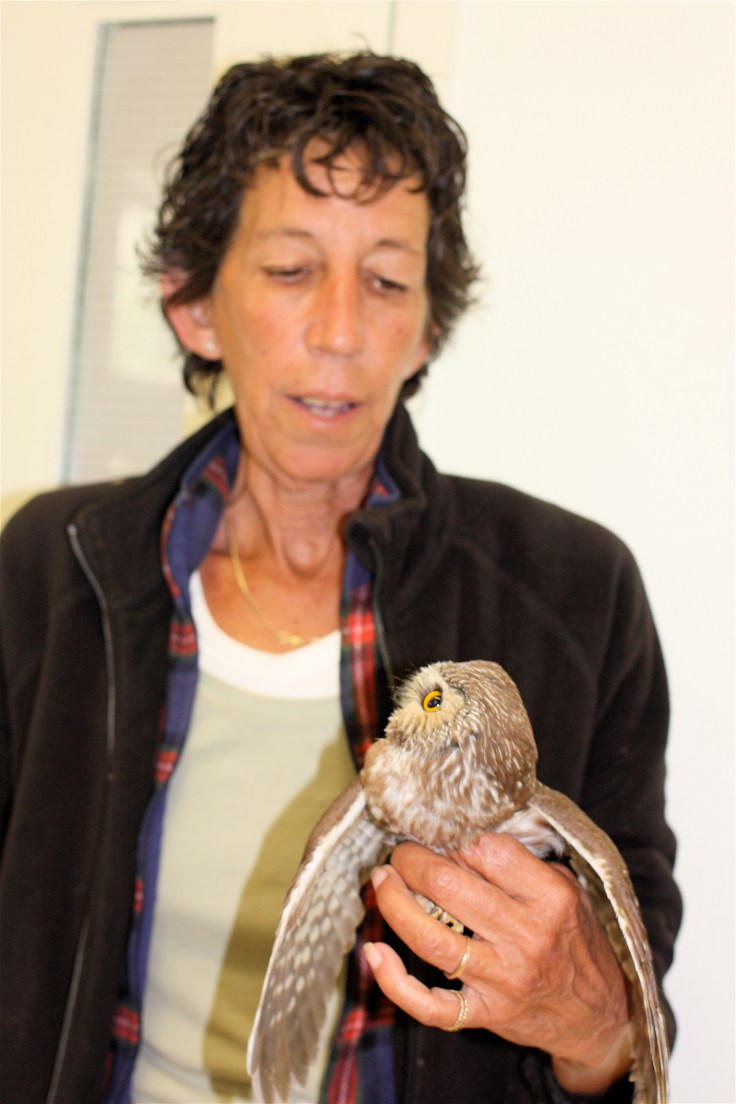
SORCO Manager Dale Belevedere with a tiny saw-whet owl named Little Hooty by its rescuer
The temporary rat shortage is nothing compared to the bizarre and disturbing vandalism the centre coped with last June. Someone broke onto SORCO’s property by forcing open the front gate, got into the food centre where the rats are raised to feed the raptors and poisoned their food. All the rats were found dead two days after the break-in and pathology tests confirmed that the rats died from a poisonous substance.
“SORCO uses a variety of foods depending on the particular needs of the recovering bird. However, rats are the primary food source. Before a raptor can be released back into the wild, they need to demonstrate their ability to hunt for live prey.”
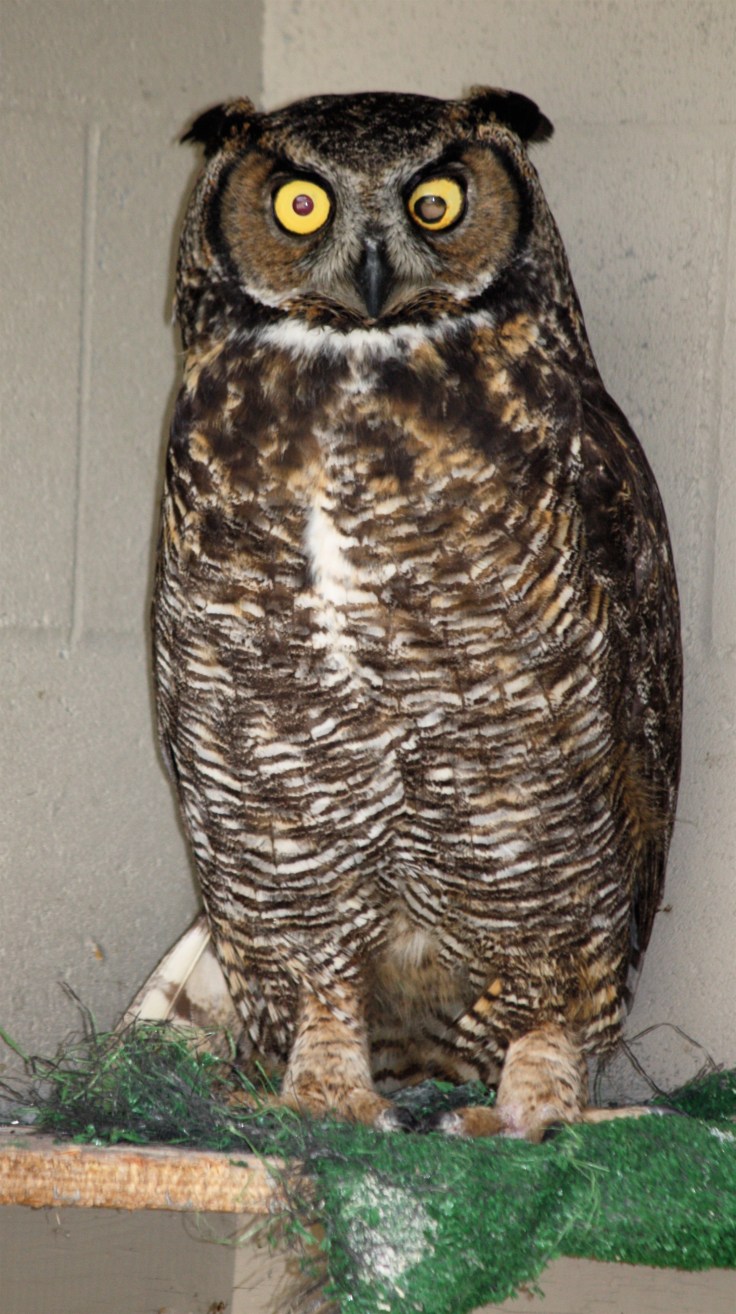
Even more devastating, the centre’s mascot and education bird, Houdini had eaten some of the poisoned rats during the two-day period between the poisoning and the rat deaths. The rescue owl had a long six-month recovery from the poisoning.
Houdini is back to his duties helping to spread the word on what we can all do to help protect raptors in the Okanagan Valley
As a result of the unsolved incident, SORCO has had to spend precious resources to add security systems to all its facilities.
A great counterpoint to this dark day in the centre’s history is the building of the new treatment clinic in 2014 by the students of Okanagan College Penticton’s Residential Constructionprogram. The new 1,500-square-foot structure provides room to care for the raptors when they first come to the rehab centre and replaced a cramped and noisy 250-square-foot room that was completely inadequate.
The great horned owl chicks were eminently photogenic
The centre is on track for a record year of “patients” which is not good news for our wild bird populations. Dale says they are under threat by the removal of trees for development, the addition of more and more glass windows and topless glass patio railings and increased car traffic. So far they have had 20 more predators in the centre compared to the same time last year. In 2012, SORCO cared for and released 60 raptors and more than doubled just three years later with a total of 150 in 2015.
One of their more serious cases was brought in in January with injuries from being hit by a car. Named Archimedes by its rescuer, the great horned owl was hit by a car near Rock Creek and treated by the vets at the Penticton Veterinary Hospital before being brought to SORCO. The owl was found standing on the road with a serious head injury, the yellow of both her eyes was bright red with blood and her mouth and beak were full of blood. She has made a good recovery although she has a partial separation of the left retina and will have limited sight in that eye. She won’t be released until she learns to hunt with the changes to her vision.
Archimedes was badly injured by a car and has made a remarkable recovery
One of the centre’s newest arrivals is pretty special. This small streaked Western Screech-owl is endangered with only about 50 to 200 individuals left in the Okanagan Valley which is its only home in British Columbia. This little guy, found in a Kelowna parking lot, prefers the bottomlands which is habitat more likely to be developed. Timber harvesting and the removal of dead trees that serve as potential nest-cavity sites had lead to the decline in Western Screech-owl numbers.
This Western Screech-owl’s rehab will be carefully followed due to its endangered status. It made the coolest noises.
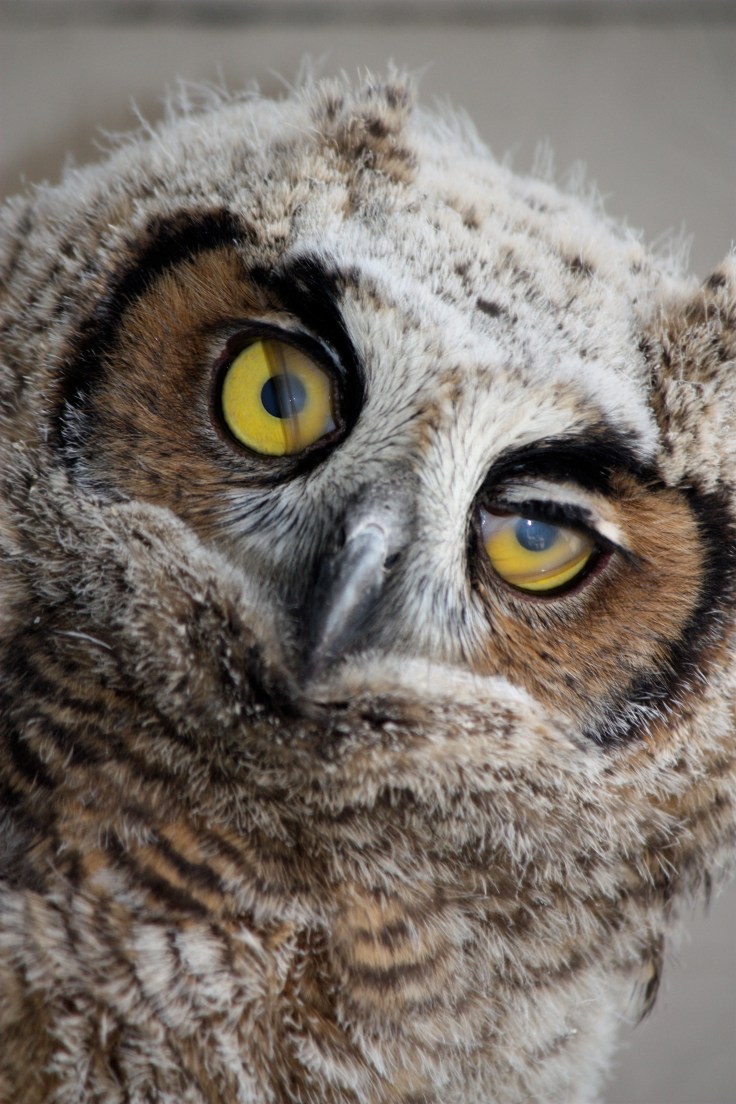
Of all the birds at the Raptor Centre, the great horned owl chicks stole my heart. Here are some of the many, many photos I took of Peanut, Popcorn, Pinto and the rest of the gang.
Peanut is the baby of the parliament and is working on flight skillsDale says she thinks they look like little astronauts… I see what she means. Peanut is taking in some raysI like this quote from Munia Khan, “Soft feathers cannot make a cruel bird kind.”… But they sure make them look cute and they aren’t cruel either…just have mad hunting skills
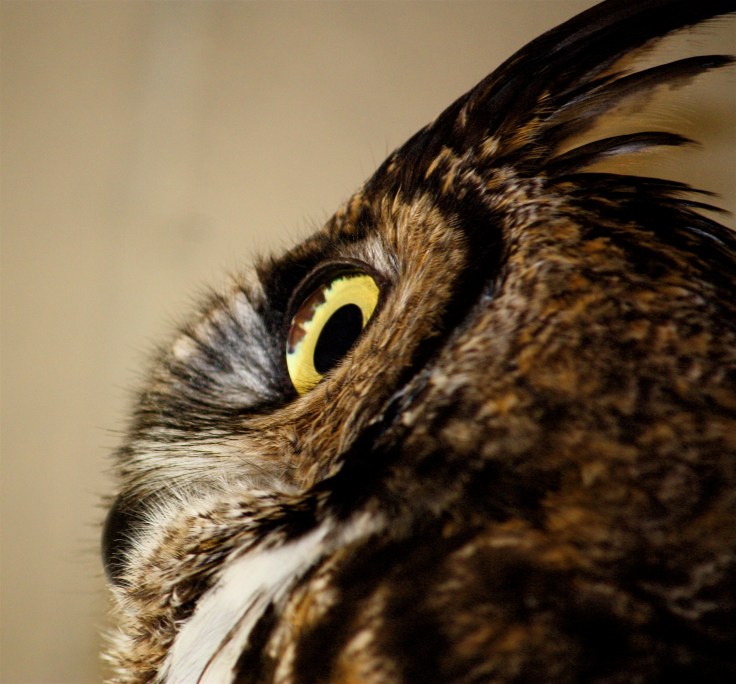
Cool shot showing an owl’s nictitating membrane. They close this special see-through membrane to protect their eyes just before impact when they are catching their prey.Flight trainingOur fascination with owls comes from our awe mixed in with a bit of fear at their night-time silent hunting prowess.
Here is how we can help SORCO Raptor Rehab Centre. Go online and donate or offer to volunteer. Plan a visit to the centre at its open house in May, which is its biggest fund-raising event. This year’s event was a few weeks ago and hosted more than 1,500 people. The centre is not open to the public but occasionally its possible to watch a raptor release and many educational programs are offered throughout the year where Houdini often makes an appearance. Take some time to review the “Found a Raptor” link on their site so you are armed with accurate information.
Thanks Dale for an amazing day with these invaluable birds. Without birds of prey our Valley would be overrun with rodents. The magical sightings and sounds of owls and other birds of prey in the wild is priceless. Thanks too to the dedicated SORCO volunteers, board members and all who have donated to the centre.
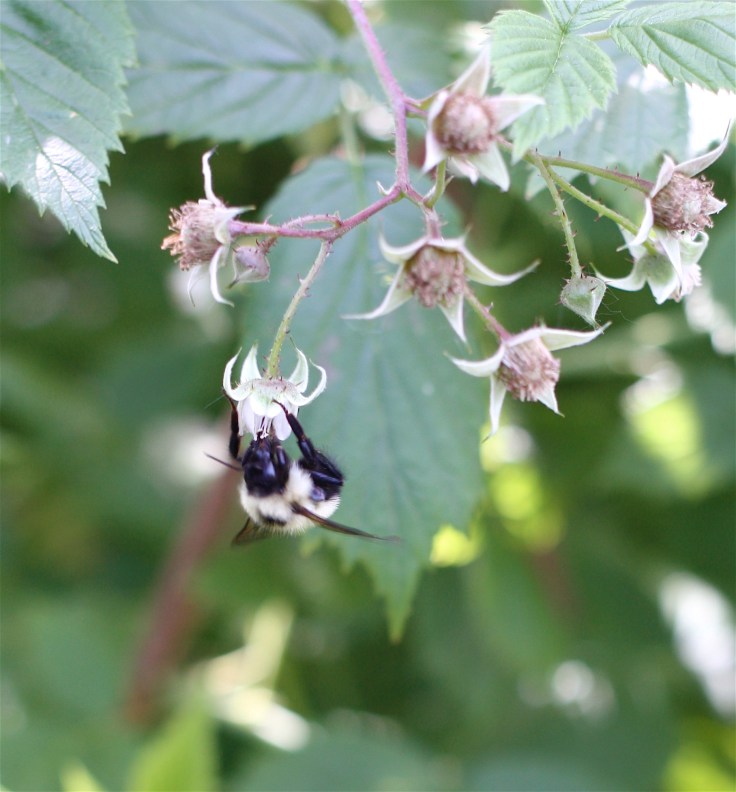
Each raspberry “flower” has many stamens and styles, each attached to a carpel with two ovules. Because the small individual flowers on each receptacle open over an extended period, bees must visit each plant several times to ensure that enough individual flowers are pollinated to make enough fruit for us to sell.
We are relying on wild bees to do the work for us.The flowers are kind of pretty close-up
We are talking 100 to 125 pistils, per raspberry to which pollen must be transferred to create a mature seed and the tasty red druplet surrounding the seed. If each and every one of these druplets is not pollinated, the overall integrity of the fruit is compromised and the fruit will be misshapen and crumbly.
I feel like I should be bringing out pitchers of iced tea for them or offering them tiny, careful massages.
Some of the many variety of bees I spotted include honey, bumble, carpenter, cuckoo, digger, mason, yellow-faced and mining bees. I would just get them in focus and they would be off before I could capture their photo. These few photos in the post were among about 100 of blurred or vanished bees. They are busy right?
You can tell that this guy is a honey bee as you can see the pollen basket on its hind leg (white). The bee moistens the pollen with nectar and packs it in the pollen basket for transport.
During this time of the year it’s important not to water the raspberries too much as the nectar will drip off the immature berry and the pollinators won’t be attracted to them. Pesticides are a concern too but not for us and we don’t use them on our organic berries. Even it the pesticide is not toxic to bees, they often repel them.
Encore raspberries.We made mason bee houses at a recent Naramata Garden Club meeting. I plan on making more to give the little guys a reason to stick around and help us out.
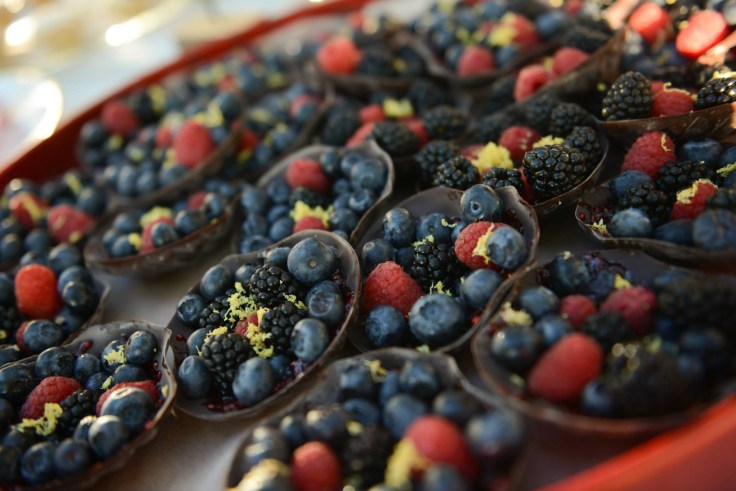
There are so many recipes that use berries made possible by the work of all those bees. Here’s an easy one that looks and tastes great.
Easiest ever elegant dessert…part of the dessert table I made for my lovely niece Nicole’s wedding…
Chocolate berry shells
Buy pre-made chocolate shells
Daub a teaspoon or so of jam onto the shell and spread it around…it will act as “glue” for the berries
Decorate with a mix of blueberries, blackberries and raspberries
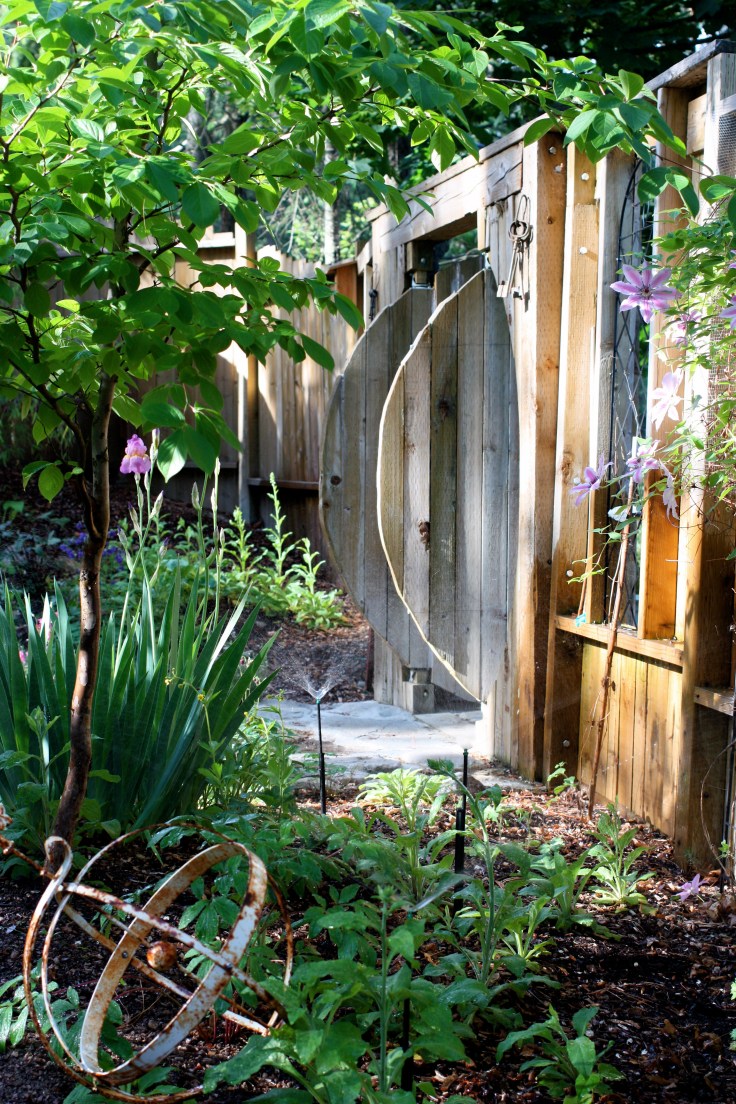
I took my camera out for “a few minutes” in the early morning today for a look-around the secret garden and an hour later had to be dragged away. Here’s a Cole’s Notes look at what held me captivate because sometimes, the biggest secrets you can only tell a stranger.
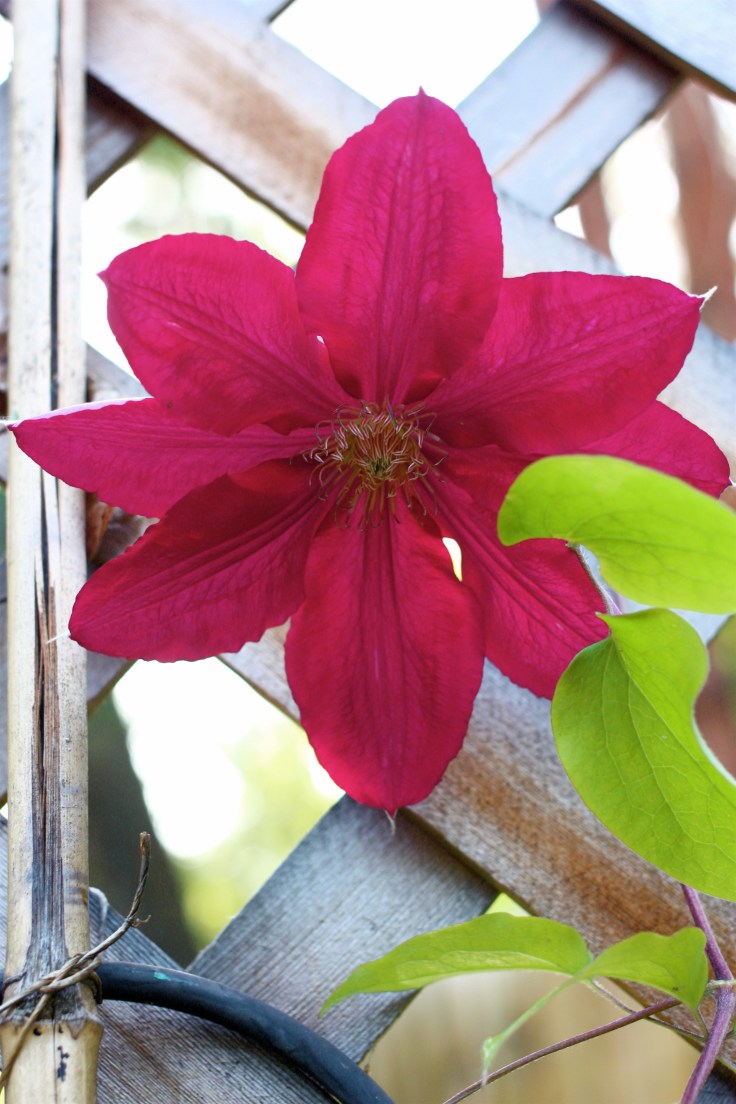
Unusual red clematis, Rebecca, launched at the Chelsea Flower show in England. It reads a bit pink in this photo with the sun shining through but is very, very red. The shot below better flaunts its redness.Just opening, Rebecca is the newest variety from Raymond Evison and is named after his eldest daughter. It can be grown in any location and holds it colour well in full sun. It can also be grown in a container.One more clematis…I’ve forgotten the variety of this purple gem.Mirror, mirror on the wall…
“The best secrets are the most twisted.” Sara Shepard.
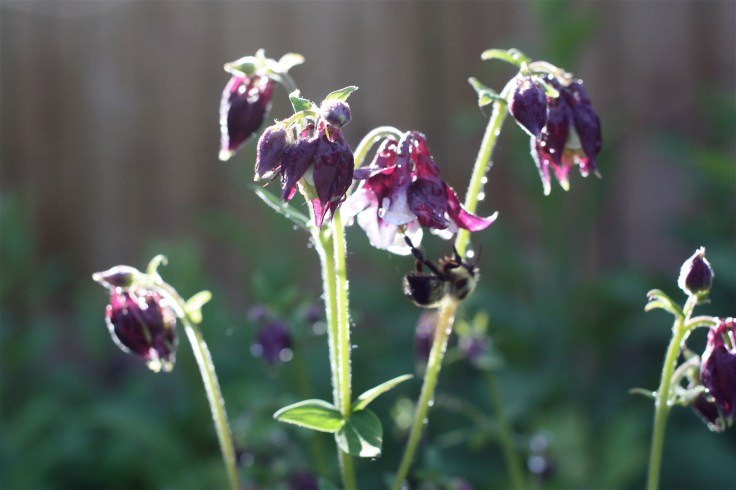
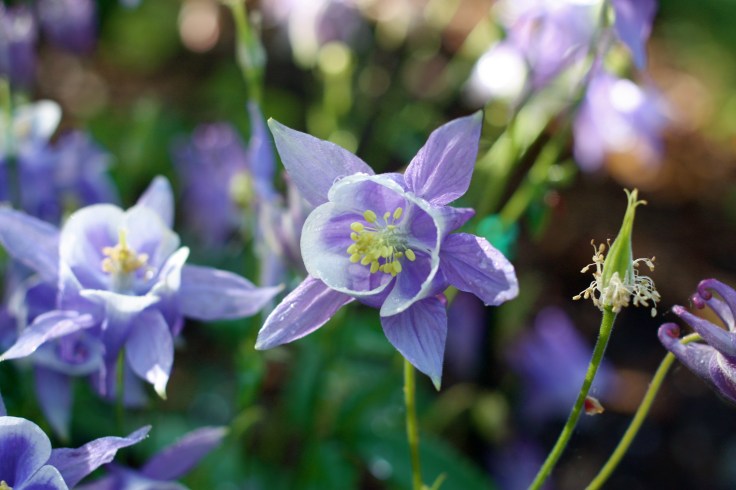
My aquilegia are putting on one final show. It seems strange that two birds as different as the eagle (in Latin, aquila) and the dove (columbus) should both give their name to the same flower — aquilegia or columbine. It is an easy perennial to start from seed and all of mine came from seeds from England germinated in my greenhouse. I’m still collecting.I love the ruffles.Aquilegias love the dappled shade in the secret garden and are perfect in its cottage garden setting.The bees seem to like them too.
“Photography is all about secrets. The secrets we all have and will never tell.” Kim Edwards, The Memory Keeper’s Daughter.
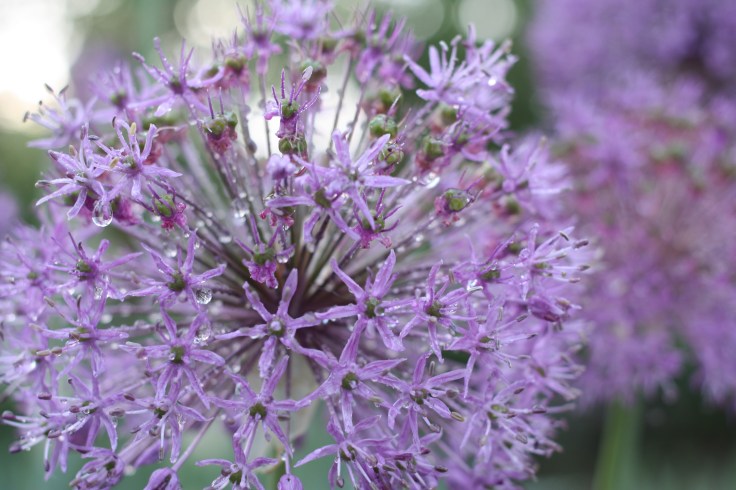
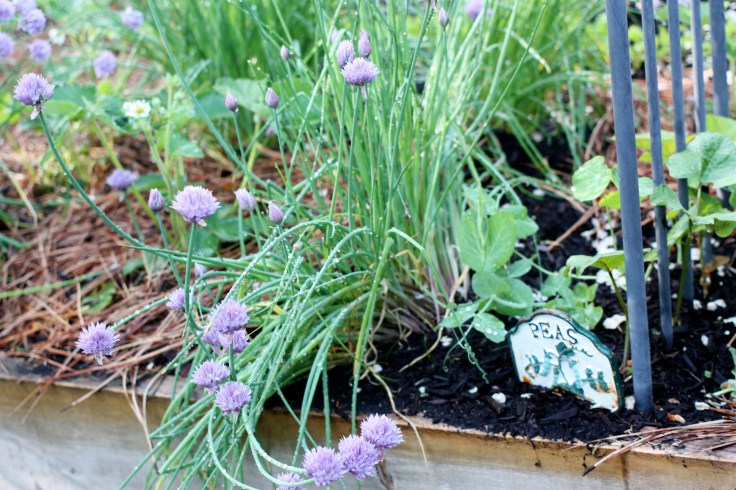
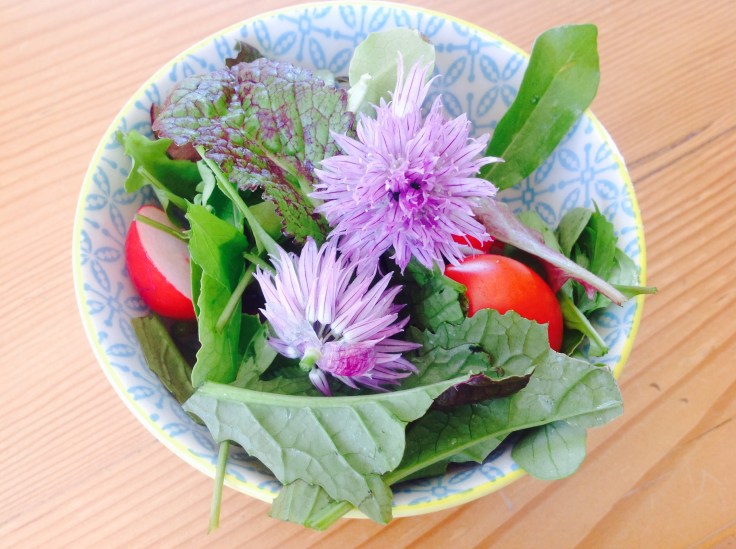
The fine spray of The Handyman’s irrigation also makes it a lovely place to be in the mornings.Hard to believe this allium is part of the onion and garlic family.Quick digression to my potager, that I passed by on the way to the secret garden…These chives are related to the allium as well.…and look lovely in a salad.
“Sometimes since I’ve been in the garden I’ve looked up through the trees at the sky and I have had a strange feeling of being happy as if something was pushing and drawing in my chest and making me breathe fast.” Frances Hodgson Burnett, The Secret Garden.
“But some secrets are too delicious not to share.” Suzanne Collins, Mockingjay.
Maybe flowers are overrated.She knows some secrets.Frogs have taken up residence.
“That, my dear, is what makes a character interesting, their secrets.” Kate Morton, The Forgotten Garden.
“Secrets are like plants. They can stay buried deep in the earth for a long time, but eventually they’ll send up shoots and give themselves away.” Judy Reene Singer, Still Life with Elephant.
When the sun shines on Vancouver there is no way to downplay the city’s natural beauty. No hard-bitten cynic hepped up about its high-cost of real estate can withstand the onslaught of the views of the north shore mountains, English Bay, a rain forest and the view of snow-capped Mount Baker in the sun. The cynics can go to town during a January rainy spell.
I love living in the country surrounded by nature where you can see the stars and the only ambient sounds are made by wildlife. However, a long weekend in a city packed with shopping, restaurants and entertainment is a needed adrenaline boost from time-to-time. Why not spend that long weekend in arguably the best city in the world which happens to be only a five-hour drive away?
Vancouver has great coffee and a great coffee scene. I’m in.
Our weekend centred around the West End where my daughter has recently moved from Calgary and where my brother, his wife and family live.
The West End is a champ. The neighbourhood has been named the best in the country in the annual Great Places in Canada contest. It’s known for its beaches, proximity to Stanley Park and a high-density, walkable lifestyle with treed promenades. Originally a forested wilderness, the area was purchased in 1862 by John Morton, Samuel Brighouse and William Hailstone, three men known as the Three Greenhorns because people thought they paid too much for the land. Last laugh is on them eh?
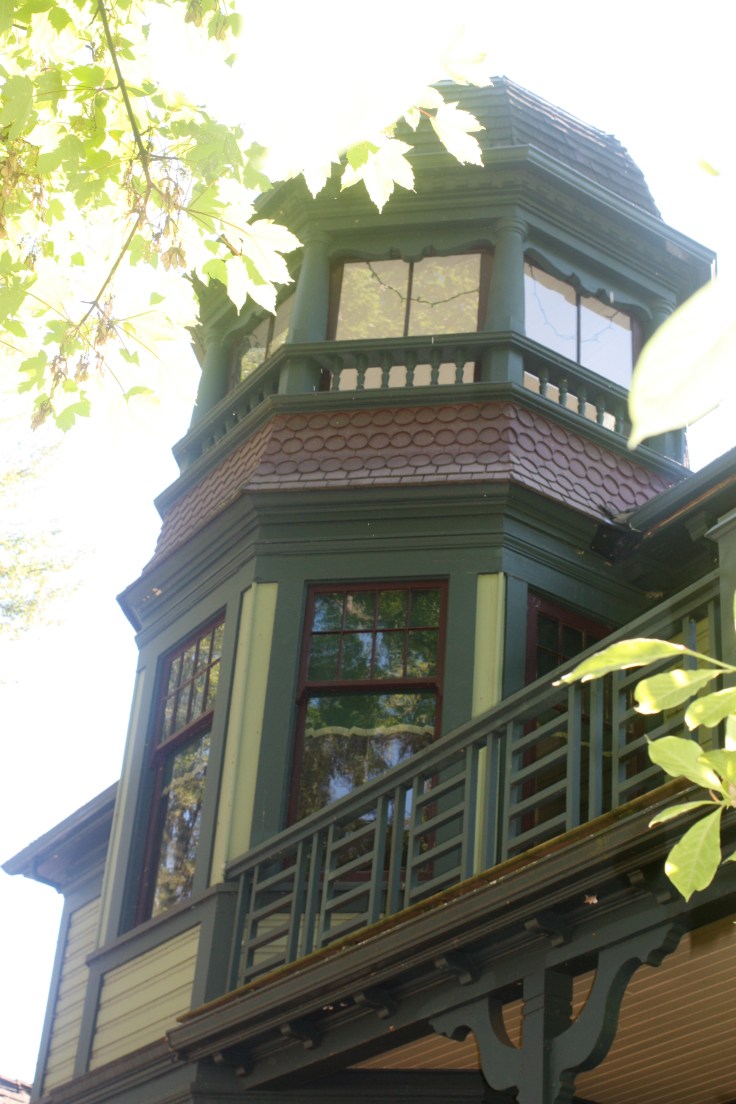
The hood became home to richest railroad families and a lot of nice architecture survives from that era including Roedde Housewhich is now a museum. The house is haunted by two daughters named Anna that met untimely deaths…one by eating poison berries and another killed by a patient while working as a nurse at St. Paul’s Hospital.
Roedde House where it is forbidden to say the name “Anna” out loud.
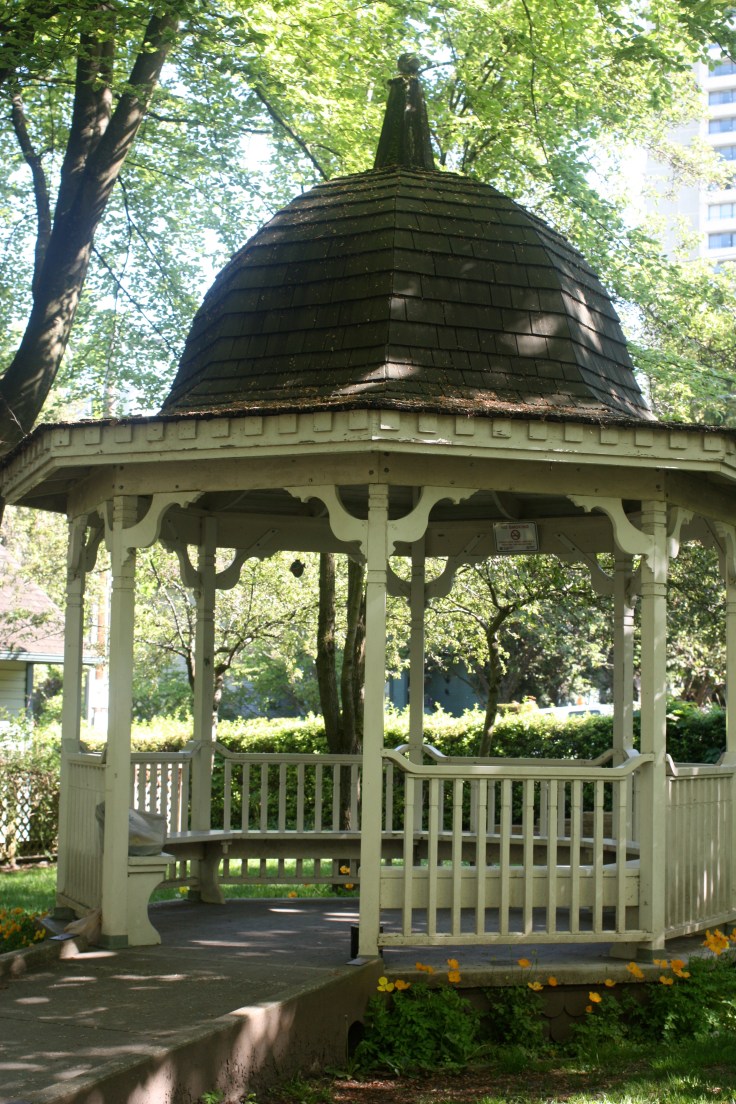
I made sure to photograph the gazebo to give The Handyman a new project.
Breakfast at the Greenhorn Espresso Cafeis the essence of the West End distilled in big, frothy cup. Named after the area’s original owners, it’s in a heritage home and offers a variety of cozy modern seating with views of the passing sidewalk scene. This hidden treasure is a two-minute walk from my daughter’s apartment and is already her new local.
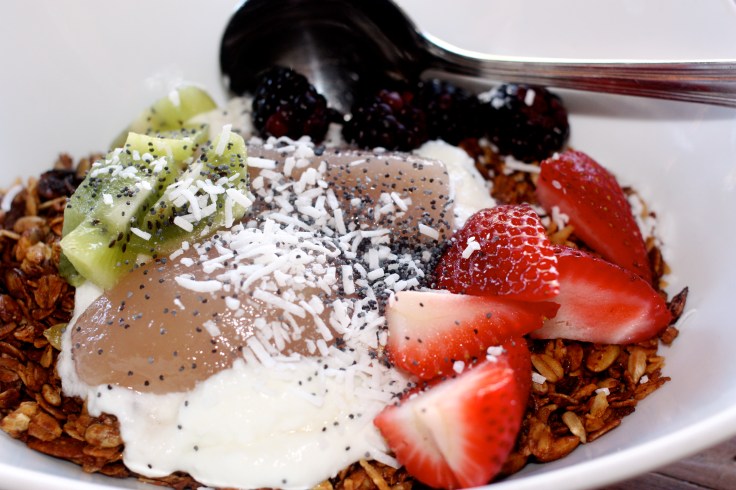
My homemade granola was served with yogurt, vanilla spiced pear and seasonal fruit
After my post about Paris chocolate shops and bakeries, a trip to Ladurée’s first Canadian location was on the list.
Happily, the shop’s window resembles it’s Paris counterpart.
A modest selection of Citron, Caramel Fleur de Sel and Café macarons, at $3 each, were packaged beautifully in a keepsake box for us. The melt-in-your-mouth flavour explosions are actually made in Paris and flown to Vancouver.
It was a day made for window shopping and strolling. Spring rains and recent warm weather brought out every scented bloom in the West End.
My son’s fiancé Kate sports a living chapeau
Billed as the home of the bison burger, Timberhas been “givin’er since 2015” and it’s fun uber Canadian atmosphere had us at Deaner the taxidermy beaver that sits proudly in the window.
Deaner at TimberBison burger
When in Rome, or Canada as the case may be, it’s best to order the house specialty which most of our party did. In a very ungourmet way, I went comfort food with mac and cheese with house-made sriracha ketchup with smoked pork crackling served by a plaid-shirted waiter. It blew my socks off. I’m going back.
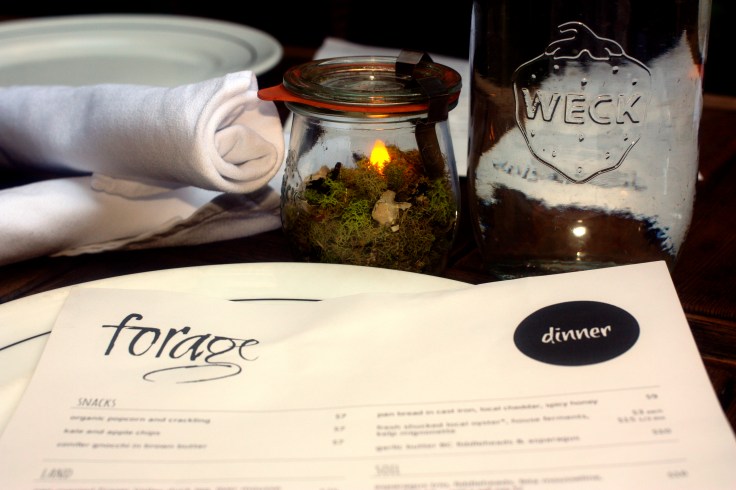
By happenstance, we ended up chef Chris Whittaker’s adjacent restaurant, Forage, for dinner.
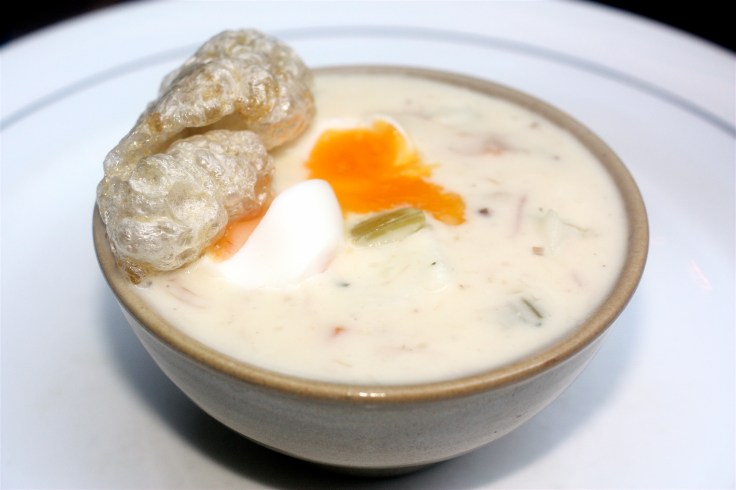
The farm-to-table restaurant has a clean, modern look. We chose to sit outside at a relaxed picnic table set-up and were encouraged to order a variety of menu items to try and share, tapas-style. If you go, there is one must-order. Chef Whittaker’s seafood chowder, chicharron, quails egg is the bomb and its a double winner of the Chowder Chowdown at the Vancouver Aquarium. Because the chowder won, it’s “secret” recipe has been published although it looks like it would be tricky to make at home.
Forage’s award-winning seafood chowder was indescribably deliciousConifer gnocchi in brown butter
Chef Whittaker is a bee-keeper at home and works with small lot farmers taking his role seriously as promoting the sustainability of our food system. All well and good but we would go back because everything tasted so good, the atmosphere was the right mix of casual and the staff fun and welcoming.
Although it looks like we ate our way through our West End weekend, we had a mission. We were carbo loading for our Sunday race. A great representation of the family ran either the marathon, half-marathon or 8 km BMO Vancouver Marathon. We joined about 16,500 in the race’s 45th edition and burned off a few of those calories.


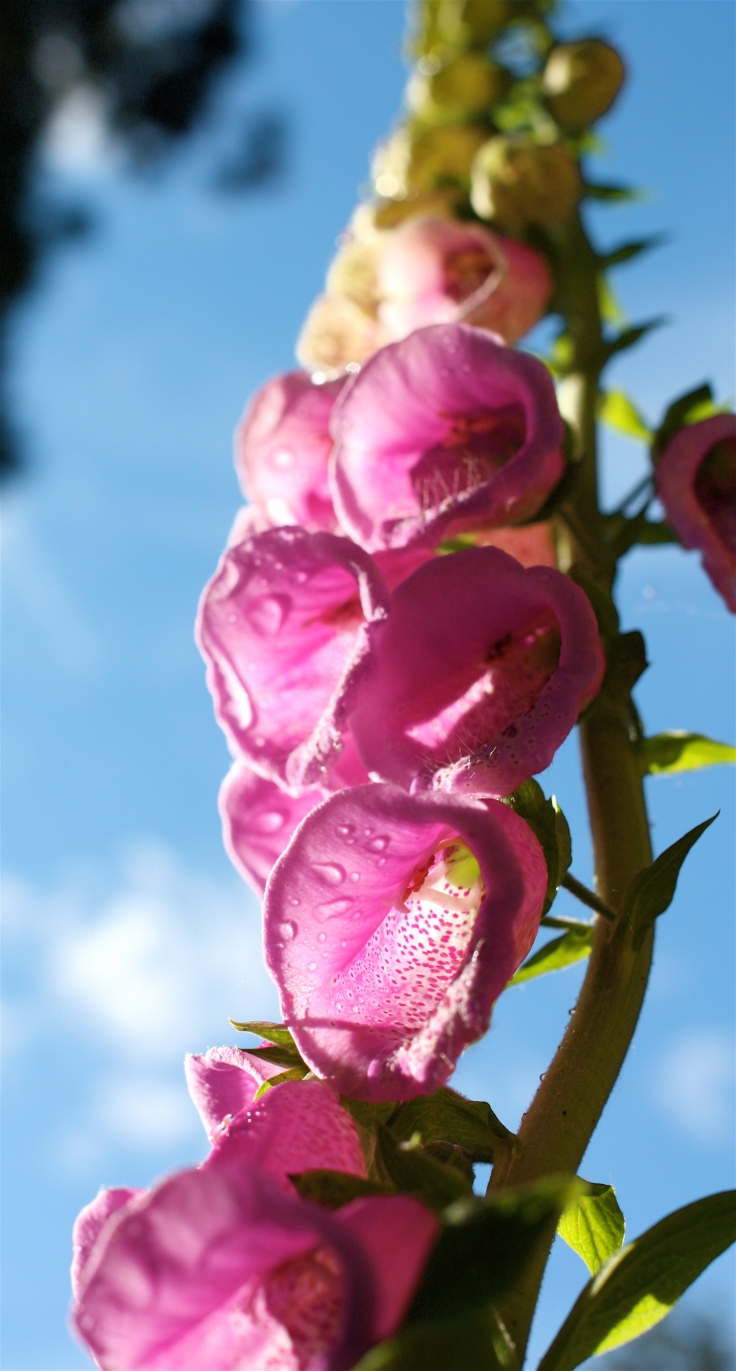
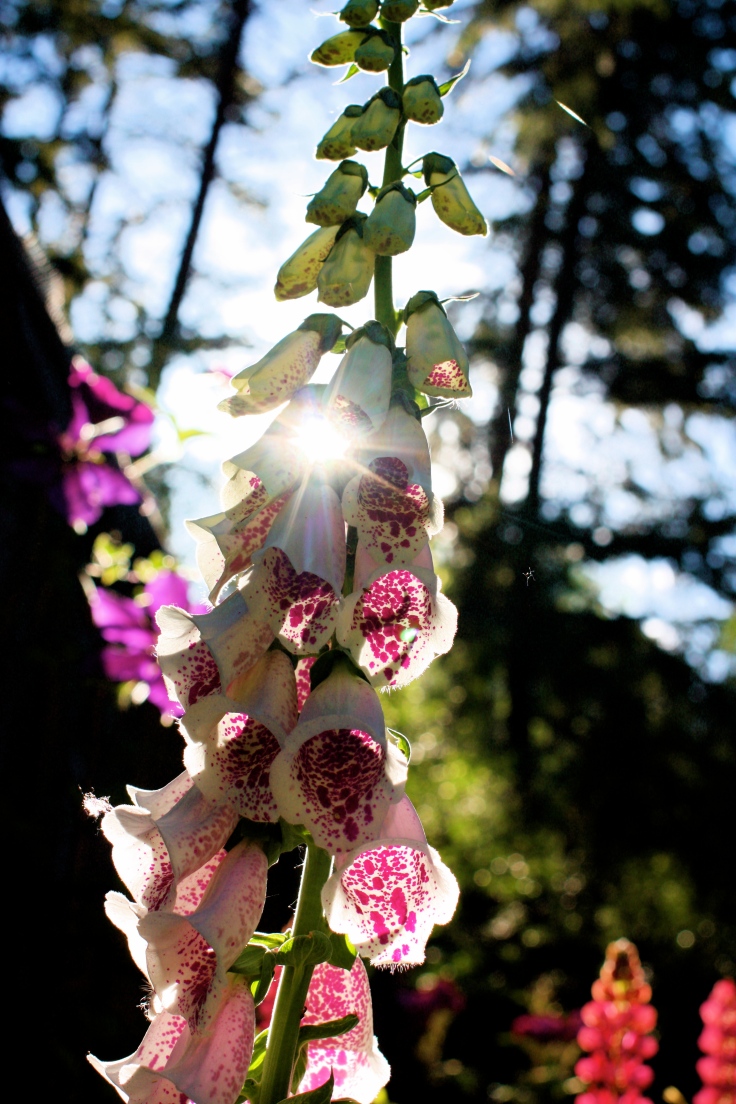 I prefer to call by them by their more endearing name, Foxglove. Also called Virgin’s Glove, Fairy Caps, Folk’s Glove and Fairy Thimbles, this cottage garden flower is a key reason my secret garden looks magical this morning. I grew all the foxgloves in my collection from seeds in the greenhouse…many of them ordered from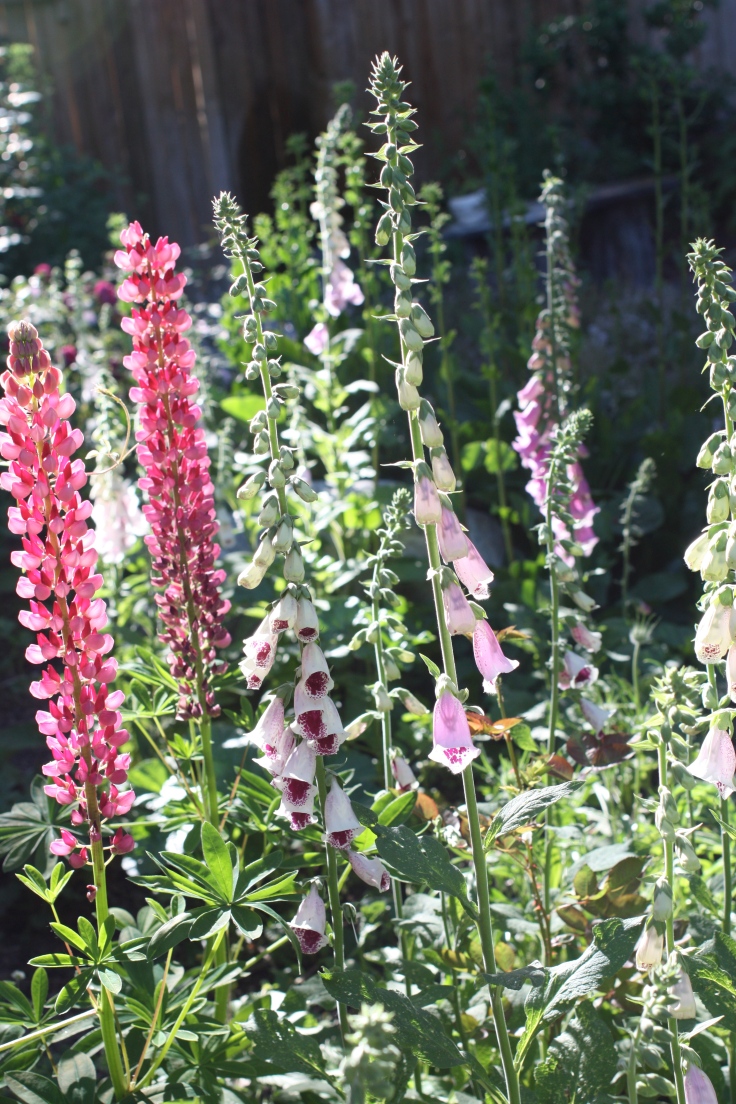

 Bees love foxgloves and their blooms are entirely dependent of the visits of this insect. The projecting lower lip of the corolla forms an alighting platform for the bee and as he pushes his way up the bell, to get at the honey which lies in a ring around the seed vessel at the top of the flower, he rubs on the pollen. A single foxglove can provide from one to two million seeds. This particular plant is a whopper with beautiful markings towering above my head. They love the dappled shade of my secret garden although they will tolerate full sun.
 I love they way their dramatic spikes of tubular flowers with speckled throats add elegance and height to my garden.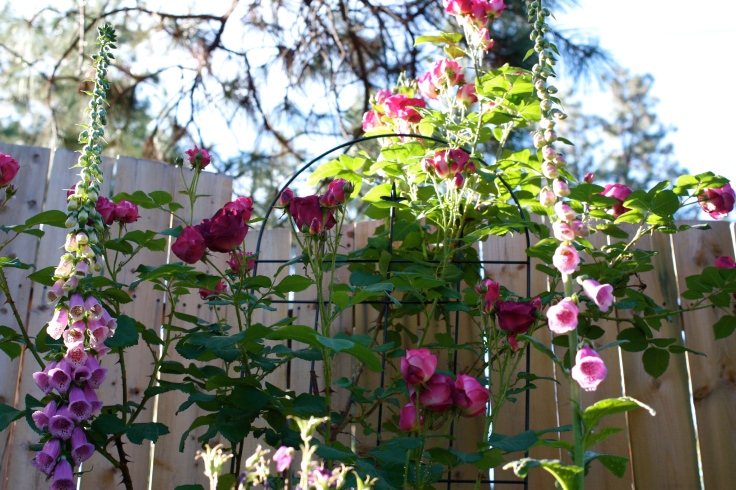











 On my list of for-sure-recipes to make very soon with the first of our Carpe Diem raspberry crop is
















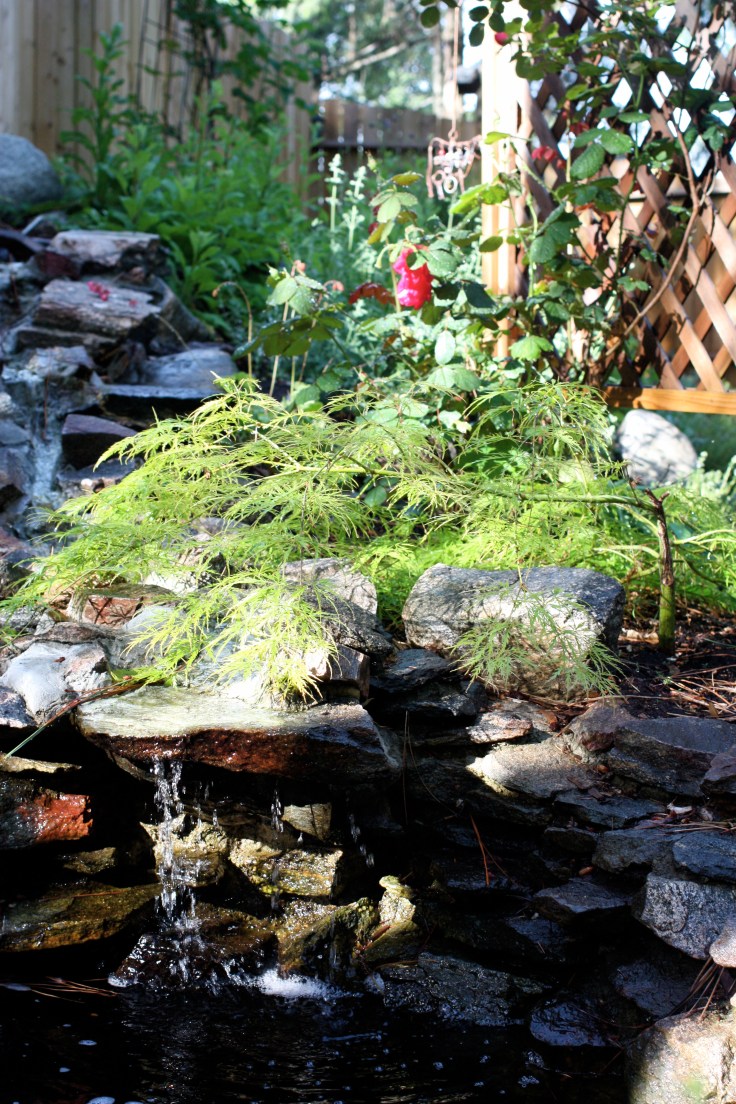
 “Secrets are like plants. They can stay buried deep in the earth for a long time, but eventually they’ll send up shoots and give themselves away.” Judy Reene Singer, Still Life with Elephant.
 I love living in the country surrounded by nature where you can see the stars and the only ambient sounds are made by wildlife. However, a long weekend in a city packed with shopping, restaurants and entertainment is a needed adrenaline boost from time-to-time. Why not spend that long weekend in arguably the best city in the world which happens to be only a five-hour drive away?






 naramata-blend