Search

naramata-blend

Life in a slow place that quickly steals your heart.

Author

writely2015

Crazy Canucks take on the English Channel – next week!

ISS014E16718_English_Channel_Dover_Calais_Outreau_Folkestone.jpg
The Dover Strait/Pas de Calais is the busiest shipping lane in the world. As the crow flies it’s a mere 22.5 miles but strong currents make some Channel swims as long as 56 miles.

Three years in the planning and training preparation have come down to one week before our swim window of July 26 to August 1 where, fingers crossed, the Crazy Canucks will don goggles and approved “swim costumes” and take turns launching ourselves into the salty drink so one of us get plant our feet in France. My pulse is racing as I type this in the mixture of excitement and trepidation that accompanies all crazy schemes like this.

images
Some or a lot of our swim may take place in the dark.

John, Chris, Charlie, Janet, Jaime, Elaine (me) and alternate Al are the Crazy Canucks. We arrive in Dover on Sunday and then wait for the call from our boat pilot Reg Brickell that the weather is favourable for our attempt. We head out on Reg’s boat…the Viking Princess and I take a quick swim and then clamber on a rocky shore to the high water mark on a Dover beach and with the sound of a horn we are off. Al and Chris (Janet’s husband) will help us as Reg, his brother Ray and an English Channel Observer coax us on as we take our hour turns avoiding ships, jellyfish and seasickness (good drugs and good wishes).
3f9fe-copie.png
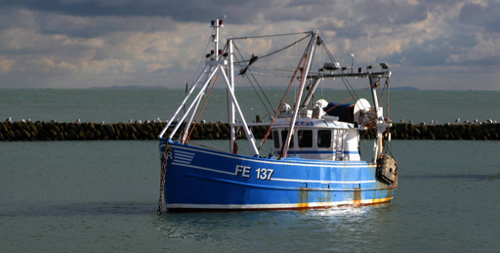
“We are going to need a bigger boat.”
IMG_0717.JPG
“I cannot command winds and weather.” Horatio Nelson

Collectively we have many fears but our biggest is that we end up in England and the weather gods conspire against us and we go home without dipping a toe in the Channel. Long-term forecast is looking pretty good to me although I’m not sure what wind speeds are safe to swim in… The sea temperature is 16.7 C (62.1 F) today which is not too bad considering the 12 degrees we braved in May.

IMG_0730.JPG
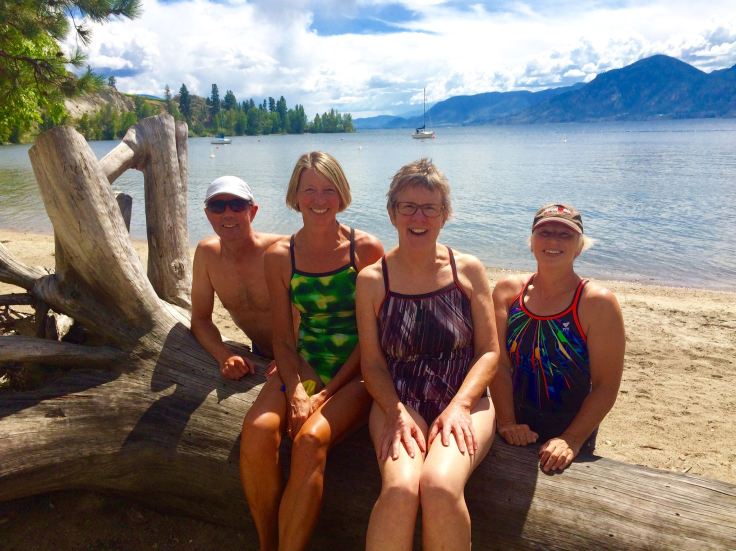
Half of the Crazy Canucks met for a training swim this morning in Lake Okanagan.

Here are some Qs and As from team members as the countdown begins…

How does this rank on your life achievement scale?

Jaime — Ironically, when I was young, I got stuck on my grey Red Cross badge as I could never complete the continuous swim. Who knew I’d ever be swimming across the English Channel? Not to take anything away from my marathons and triathlons but the swimming takes the cake. I took adult learn-to-swim lessons in my late 20s and for a long time dreaded the swim portion of my triathlons.

Janet — This would be number one on my life athletic achievement scale. I never would have thought I would be involved in anything like this — not in my wildest dreams! I have had to overcome a lot mentally to get this far but with Elaine’s and my Chris’ support I believe I am ready although the butterflies are certainly there.

P7180095.JPG
It all seems better with our eyes closed.

Do you dream about it?

Charlie — Hard to dream about it when I can’t sleep worrying (freaking out) about it. Yes I am sick of swimming but I do use the time to plan mental strategies on how to get over hurdles that I anticipate. As of now, my theory is that the water is too cold for jelly fish and no matter how cold I get swimming, I know I will get colder when I get out of the water and so far, I have always warmed up eventually. Waves are just waves, roller coasters of the sea.

As scared to death as I am, I refuse to think of failing. We can do this! I committed to my sister that next year I will be normal again…..so, don’t anyone talk me into anymore crazy shit, ELAINE!

IMG_3387.JPG
Charlie looking strong this morning.

Why do we humans need to do this shit?

Chris — I honestly believe that “normal” life has become too easy/boring/humdrum and we need to find something to scare the shit out of ourselves to get a rush. This ought to do it! (Editor — yup)

IMG_0733.JPG
Chris is rocking the speedo this morning. Part of the Channel Association rules stipulate swim suits with no leg coverage.

Why do this?

John — I’ve always been fascinated by the English Channel. I’m a bit of a history buff and there’s a personal connection with Isabel’s father having landed at D-Day with the Canadian Scottish regiment. I’ll be thinking of that on our swim day. The channel was viewed as a barrier to overcome – initially, for Hitler’s plans for invading England and then subsequently the immense challenge of conducting the Allied landings at the Normandy beaches.

Chris — I have always viewed swimming the English Channel as a great challenge taken on by very dedicated, driven folks and never dreamed that I would be able to have such a unique experience. I would not have organized such an opportunity myself so I feel very fortunate to have been included in this group of Crazy Canucks.

IMG_1658.JPG
Lucky to have Canadian lakes like Quarry in Canmore to train in.

Share your innermost fears with us.

John —  I’m a bit worried how my body will respond to the colder water. I’m not the most flexible guy and I’ve noticed that my back gets “tight” in cold water. Add that to the list of “things” !!

Elaine — I feel responsible for dreaming up this scheme and want an all’s well that ends well scenario. I hope we all have a great day out there and that one of us has the privilege of touching a French beach. I can’t even think of the possibility of trying to convince five people to have to try this again if we don’t get the call from Reg that we are good to go. It would be a bonus if we are all still friends afterwards as well.

IMG_3453
An unusually calm swim day.
IMG_3004
Charlie, Jaime, Al, Elaine, John
13692831_1135572989835662_8246688598603396819_o.jpg
Chris, Charlie, Janet, Elaine

Some random quotes…

“Acupuncture is my friend,” Janet.

“I’m back and forth between thinking this is the coolest thing ever and wondering what the hell I’ve gotten myself into,” Jaime.

“Because it challenges us to push ourselves. Because it scares us. Because we can say WTF, let’s do it! Make it so. And so it was,” Chris.

“Are we there yet?” Elaine

“Next sport I choose will have more clothing involved and less cold…” Elaine

“I dream of octopus,” Janet

“I will be dedicating this swim to my mom and to my life buddy Chris,” Janet

“My swim is for Al and our kids,” Elaine

“Swimming for Ian and Ella,” Jaime

“I will be thinking about people who cannot do something like this. I’ll think about family members and team members,” Chris

 

IMG_3380.JPG
Stay tuned for the end of our story eh?

I gave my love a cherry that had no stone

IMG_0631.JPG
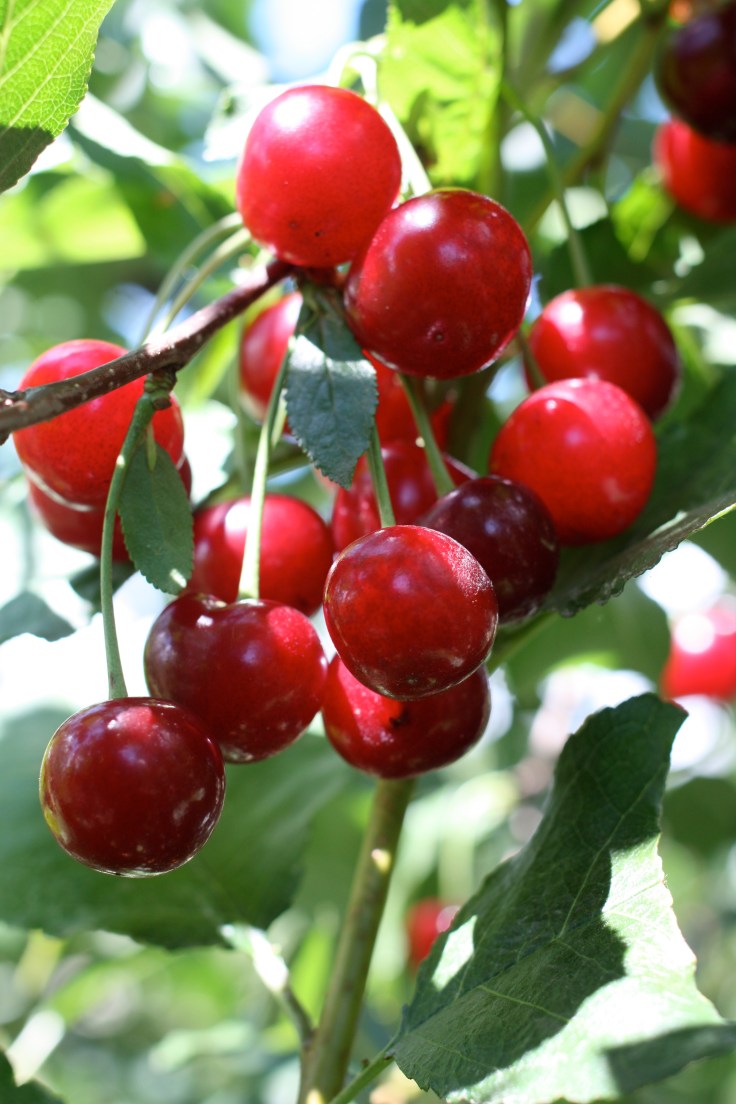
Balaton cherries ripe for the picking which I did just after I took this shot.

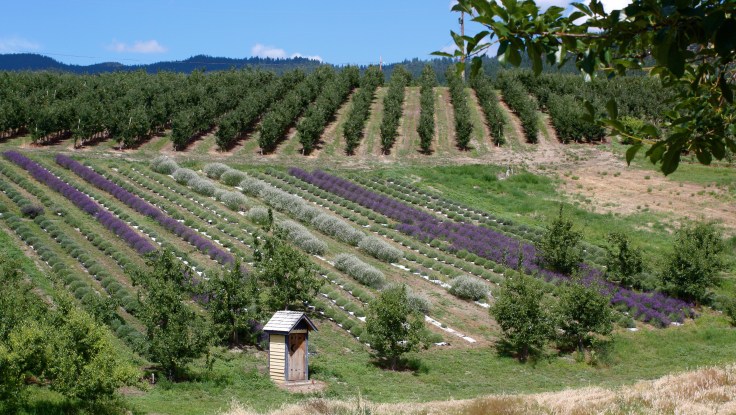
In a karma exchange I acquired 30 pounds of the most beautiful sour cherries known to man from Forest Green Man Lavender Farm in Naramata. I started some white lavender from cuttings for the farm in the spring and traded for these coveted puckery babies. The farm takes names every year for these Balatons, which originally hailed from Hungary, and they sell out. The catch, which really wasn’t a catch at all, was I had to pick them myself.

IMG_0640.JPG
This was my view as I picked cherries.
IMG_0635.JPG
I’m a big fan of the raspberries and blueberries we grown but don’t you agree that cherries are the prettiest fruit going?

Then it got messy. Hot tip…wear something red.

IMG_0654.JPG
Cherry pitting the old-fashioned way. It took about four hours to pit the 30 pounds. I did it outside and the deck looks like a CSI episode.
IMG_0650.JPG
This is about 15 pounds of cherries.

I made four pie fillings and froze them and then went on a jam-a-thon with a recipe that couldn’t be any easier. After pitting all the cherries they went into two large pots. I added the zest and juice of two fresh lemons to each pot and cooked them until wilted and soft, which takes about 20 minutes.

At this point, measure how many cups of cherries you have, including the juice and add them back into the pots with 3/4 cup of sugar per each cup of cherries. I added a dash of Kirsch to each pot as well because more cherry flavour is cherrier and one package of pectin crystals. The jam may have jammed without the pectin but I didn’t want to take any chances.

While the cherries are cooking, stick a small plate in the freezer to use to test the doneness of the jam. Remain on alert and stir often. Once the jam appears a bit thick and looks like it is beginning to gel put a small amount of the jam on the frozen plate and return to the freezer. After a few minutes, when you nudge it if it wrinkles, it’s done. If not, cook it some more and re-test…

Load your jam into sterilized jars. You can either decided to store your jam in the fridge and use it up within several months or boil it in a canner for 10 minutes, which I did as it’s pretty hard to use 24 jars in a few months. No half measures here.

IMG_0669.JPG
I marked my jars with a Wine Glass Writer pen which is super cool. I can wash my label off and recycle my jars without dealing with the left-overs of a sticky label. Genius. Wish my hand-writing was prettier.

Carpe Diem berry farm blueberry ginger lime sorbet I say

FullSizeRender.jpg
What to do with soooooo many blueberries? 

Adding fresh lime and ginger zings up the blueberries in this summer sorbet in the most amazing way. You need a bit of technology to make this one…a blender and an ice cream maker. If you don’t have an ice cream maker I highly recommend getting one. There are a million ice cream and sorbet recipes to choose from and it’s easier to make than you can imagine.

Makes 8 1/2 cup servings.

Ingredients

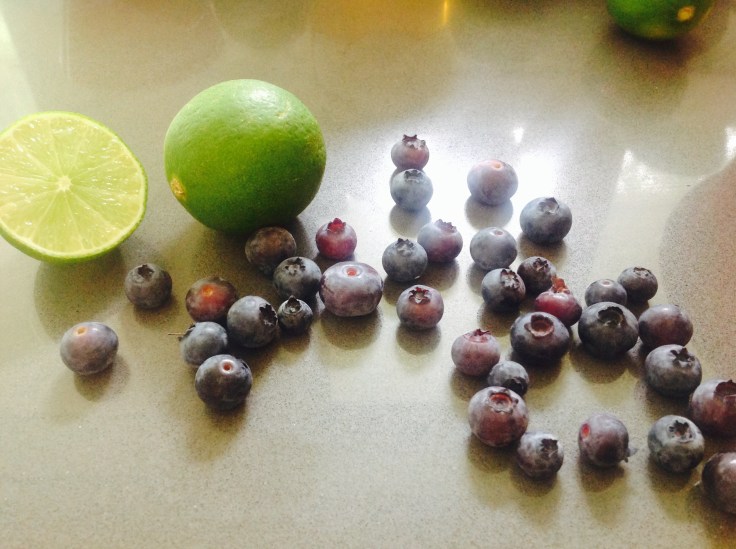
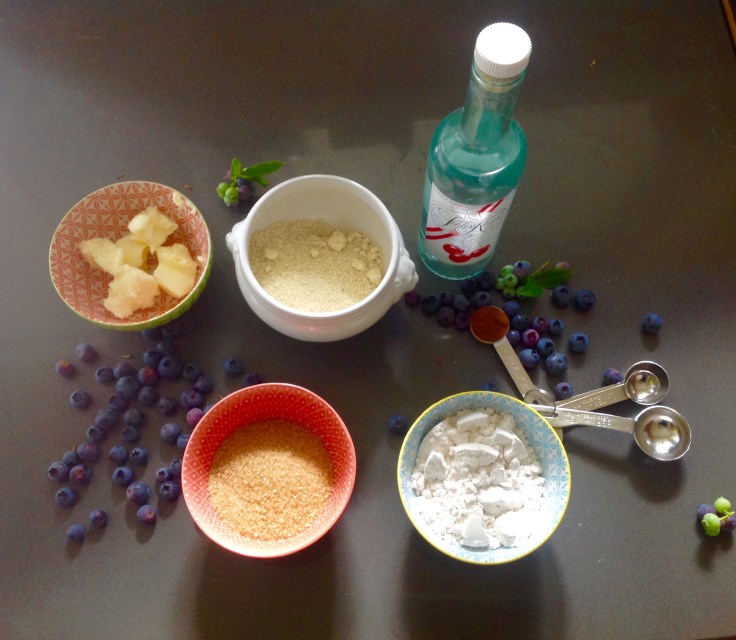
  • 5 cups fresh, washed and stemmed blueberries (I picked my own from our farm but it’s blueberry season and they are everywhere at the farmer’s markets and supermarkets.)
  • 1/4 cup honey (Penticton Farmer’s market purchase)
  • 1/4 sugar
  • 1/4 cup freshly squeezed lime juice (about 6 limes)
  • 1 teaspoon lime zest
  • 2 teaspoons fresh grated ginger

FullSizeRender.jpg

FullSizeRender.jpg

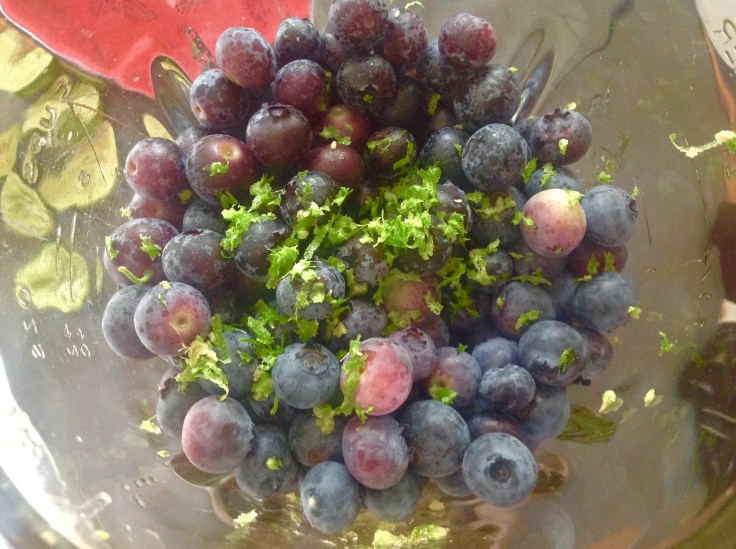
Add all ingredients to a blender and liquefy about 2 minutes until the mixture reaches a deep purple colour. Refrigerate for about 2 hours until cool. Taste and add more sugar if you desire but I like it a bit tart so didn’t add any more sugar.

FullSizeRender.jpg
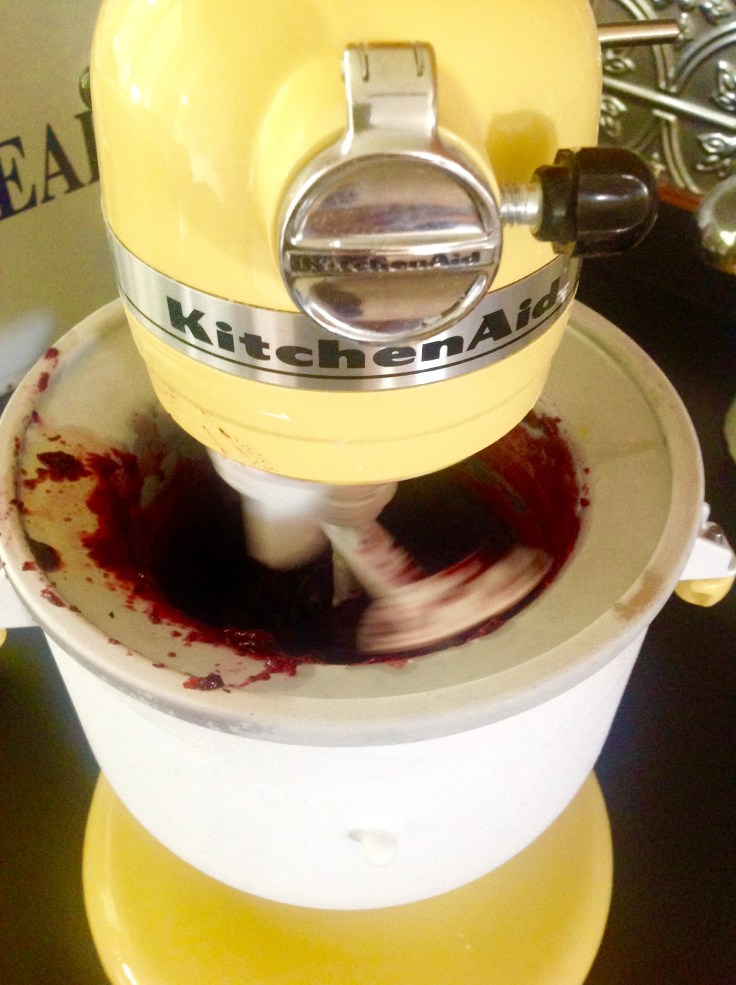
I store my ice cream maker vessel in the freezer so it’s ready when I am.

Follow the instructions of your ice cream maker. Run the ice cream maker for 20 to 25 minutes — until the sorbet thickens to soft serve consistency.

FullSizeRender.jpg
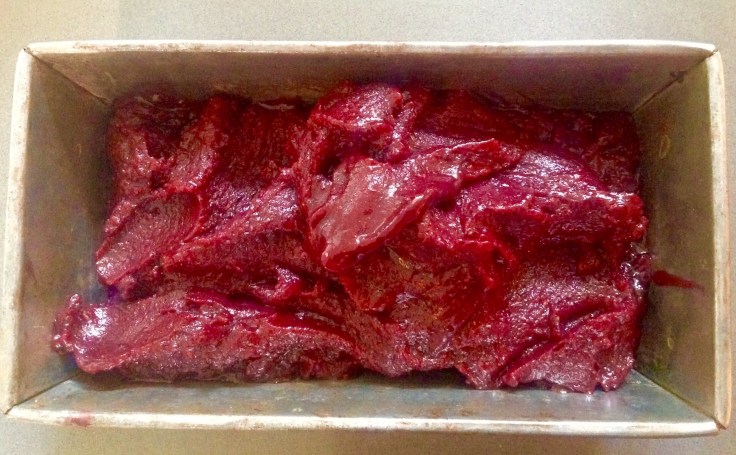
Loaf pans work great to freeze and store your sorbet in.

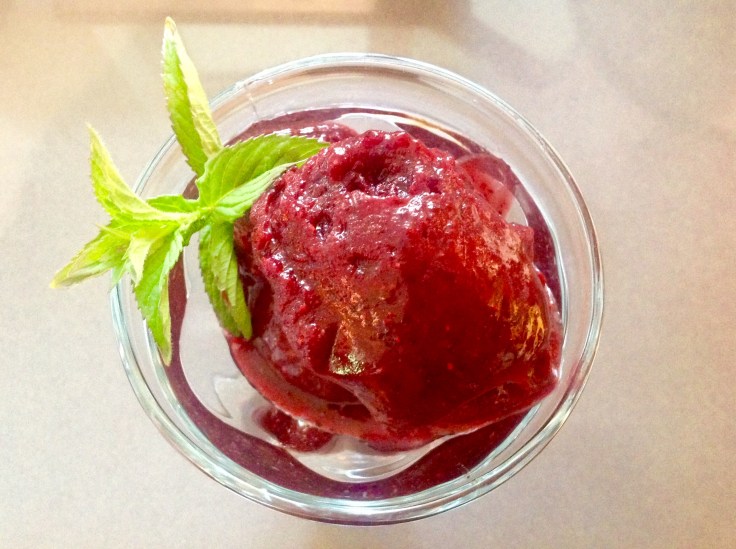
Transfer to a container and freeze for 4 hours or overnight. Scoop and serve.

FullSizeRender.jpg
Summer!

I heart Carpe Diem berry farm blueberry heart tart


IMG_0522.JPG
It’s purple rain at our Naramata berry farm and throughout British Columbia as blueberries come into season. What better way to celebrate than with a blueberry tart recipe?

My first step was to pick. Your’s may be to pick up a couple of pints at a farmer’s market or the grocery store.


FullSizeRender.jpg
You can adorn the tart with icing sugar if you like but I was happy to celebrate purple and leave it as is. The blueberry heart tart is also known as Nicole’s wedding tart at our house or more recently, Gone in 60 Seconds.

This recipe involves three steps: The pastry, a gourmet crumble and the blueberries and cream filling.

For the pastry I elected to use a Pâte Brisée, which is a wonderful flaky pie dough that works well as a dough to line tart shells. Although there are many methods to make it either by hand, with a mixer or a food processor, I find the later is the easiest.

IMG_0537.JPG

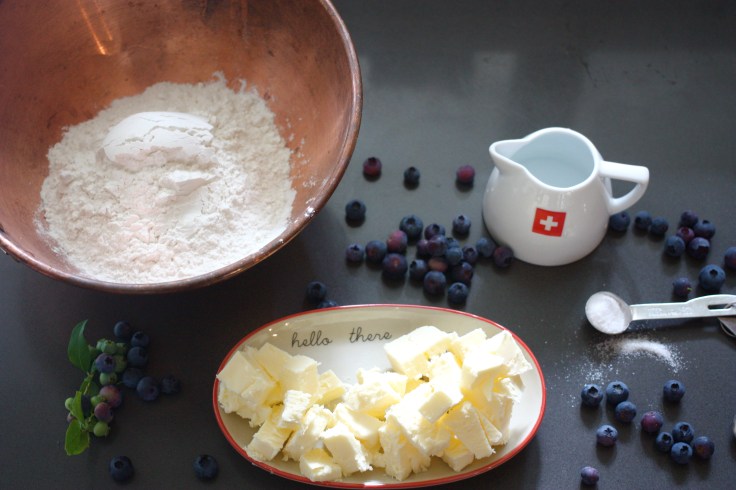
Ingredients for pastry dough

  • 1 teaspoon sea salt
  • 6 tablespoons cold water
  • 1 cup butter
  • 3 cups minus 2 tablespoons all-purpose flour

Combine salt and flour in the bowl of a food processor and pulse a few times. Add the butter in cubes and pulse after each small batch. Add the water and mix only until the dough comes together. It is important not to over-mix. Scrape the dough onto a sheet of plastic wrap, flatten and place in the refrigerator for at least a few hours or preferably overnight.

Roll out the dough, place into your tart pan, perforate the bottom of the dough with the tines of a fork and blind bake. Preheat the oven to 325 F and top the pastry with parchment   and add rice or beans all the way to the edges. Bake with this faux filling for 15 minutes, the remove the rice or beans and return the shell to the oven for another 15 minutes until golden brown and evenly coloured. Remove from oven and cool completely before filling. Just before assembly, brush the tart shell with an egg wash (1 egg beaten with a tablespoon of water) and bake for 5 minutes.


FullSizeRender.jpg
This crumble recipe is gourmet with the addition of Kirschwasser which gives it a lovely cherry flavour.

Crumble ingredients

  • 4 tablespoons butter
  • 1/3 cup turbinado sugar (sometimes called sugar in the raw)
  • 1/2 cup cake flour
  • 3/4 cup ground almonds or almond flour
  • 1/2 teaspoon cinnamon
  • 1 tablespoon Kirschwasser

Preheat oven to 325F and line a sheet pan with parchment paper. Cut the butter into pieces and place all the ingredients in a bowl and rub the mixture between your hands. Spread on the parchment-lined baking sheet and bake 20 to 25 minutes, stirring occasionally, until golden brown and crisp. Cool completely. Store left-overs in the freezer for future use on ice cream or muffins.


IMG_0541
One cow contains the cream and the other the milk.

Ingredients for blueberry filling

  • 2 1/4 cup blueberries
  • 1/4 cup sugar
  • 1 1/4 teaspoons fresh squeezed lemon juice
  • 1 1/4 teaspoons water
  • 1 teaspoon cornstarch
  • 1/2 vanilla bean
  • 2 plus 1 teaspoon egg yolks
  • 1/4 cup whole milk
  • 1/4 heavy cream

In a saucepan, combine the blueberries and 1 teaspoon of the sugar and bring to a boil. Turn the heat to low and boil for 2 minutes. Meanwhile, whisk together the lemon juice, water and cornstarch in a bowl and gradually stir into the berries and simmer 1 minute until thickened. If the juice is still watery and another 1/2 teaspoon of cornstarch in a tablespoon of the juice and stir in. Remove from heat when thickened.

Use a paring knife and split the vanilla bean in half lengthwise and scrape the seeds into a medium bowl. Add the egg yolk and remaining sugar and whisk together. Add the milk and cream and stir until the sugar is dissolved. Stir in the blueberries and take a moment to celebrate the colour.

Some assembly required

Preheat oven to 325 F.

Sprinkle about 6 tablespoons of the crumble in an even layer over the bottom of the pre-baked tart shell. Spread the blueberry filling on top. Place on a sheet pan and bake 30 to 40 minutes until just set. If you shake the pan gently, the middle will jiggle a bit under the surface until it cools, when it will firm up. Remove from the oven and place on a wire rack to cool. Sift on some icing sugar if you like. We served our’s with whipped cream.


IMG_0512.JPG
Farm to table.

Five things I learned while harvesting lavender

IMG_0459.JPG
“Forgiveness is the smell that lavender gives out when you tread on it.” Mark Twain. It’s also the smell that my badly abused running shoes now surprisingly give off when I tread with them on after three days of harvesting lavender at Forest Greenman Lavender Farm in Naramata.
  1. Despite a setting of almost unreal bucolic beauty taken even father into a dream state by its heady scent and the background buzz of a million bees, lavender harvesting, like other farm-work, is hard-work. Bend, employ your hand and wrist to gather stocks, saw them off with your mini scythe with its serrated edge, repeat several more times, gather together into one big bunch, wrestle an elastic band twice around the bunch and repeat, repeat, repeat, repeat…on the hottest days of the summer so far this year.
IMG_0415.JPG
Note bent-over position

2. You learn a ton about your fellow harvesters and harvesting with interesting, smart people with great stories is an antidote to 34 degree heat. Topics of conversation, in no particular order, included: Naramata gossip, farming, football, antique shopping in France, tai chi, swimming, children, pesticide practices, recipes, American politics, British politics, writing, travel, sciatica, tendonitis, knee replacements, house renovation, recipes, cherries, bee hives, ski instructing, mountain guiding, tragic accidents, cycling, triathlon, the English Channel, ancestry, dogs, raspberry farming, wine, helicopters, fire fighting, the olympics, compost, lavender and a story about the lavender farm’s co-owner’s middle-of-the-night chase after an escaped chicken disturbed by a fox that ended with an descriptive image of Doug with a chicken under one arm and a 22 over his other shoulder returning home buck naked.

IMG_0433.JPG
Author of The Butcher, The Baker, the Wine and Cheese Maker — An Okanagan Cookbook, Jennifer Schell, dropped by long enough to get a taste of the harvesting experience and to add some fresh topics of conversation to boost our flagging spirits.

3. Bees are big fans of lavender, especially when most other Okanagan Valley crops are no longer in bloom and numerous apiarists have cleverly placed hives near the lavender farm. As we worked, bees would move from the plant being harvested to the next, in their quest to make lavender honey. The Handyman, who also came to harvest, was worried. “What’s going to happen when we reach the very last plant? There are going to be a great many very pissed off bees on it.” Fortunately, we left before that eventuality.

IMG_0372.JPG
The background buzz in the field was incredible.

4. I am a miser. The harder I work for a buck the less I am willing to spend it. This goes for the income from our raspberry farming as well. Money earned from writing is much easier to spend on a lunch out or a drink at the lovely distillery at the end of our road.

IMG_0360.JPG
Six a.m. was the loveliest time of the day at the farm before the big heat made us swoon.

5. This sounds completely romance novel mawkishly sentimental, but experiences like harvesting lavender at Doug and Karolina’s farm with The Handyman, our friend Bill and new friends made in the field, makes me love Naramata all the more. A last snippet of conversation to dispel the barfiness…”Doug, I think the best place to fart is in a lavender field. No one would notice.” Doug’s measured response, “I completely disagree. I think the contrast is too great. A much better place to pass wind would be in a sewage treatment plant where it would go unremarked, in my opinion.”

In hysterics…the ultimate raspberry

IMG_0220
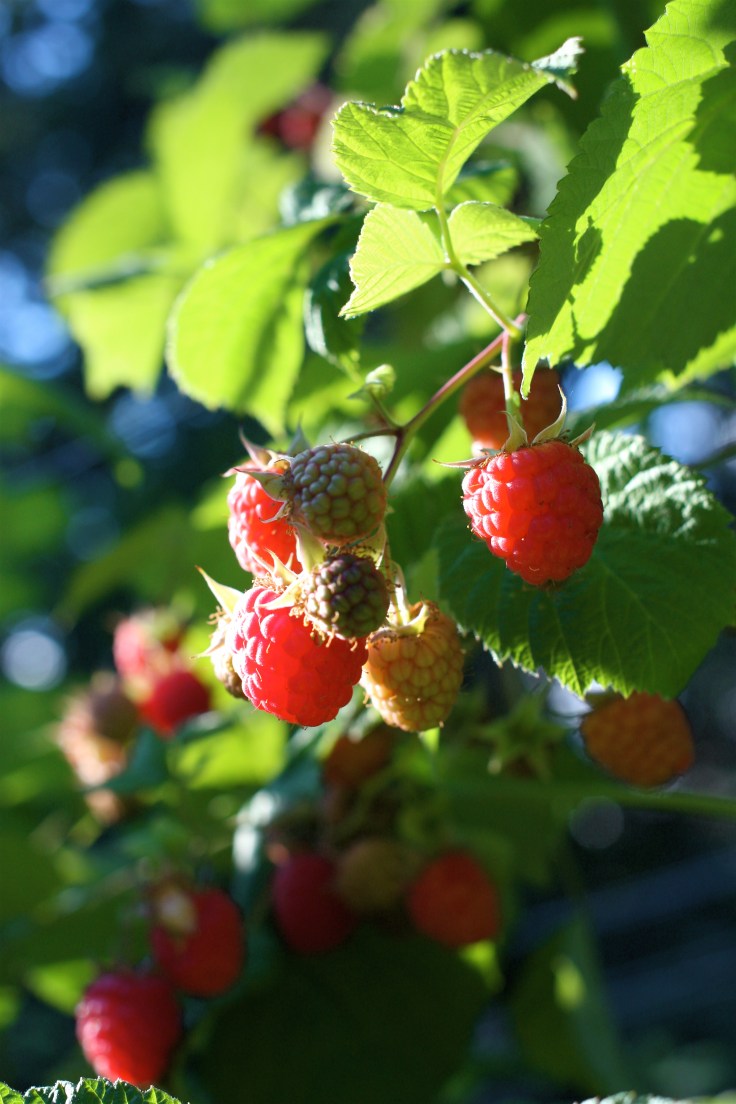
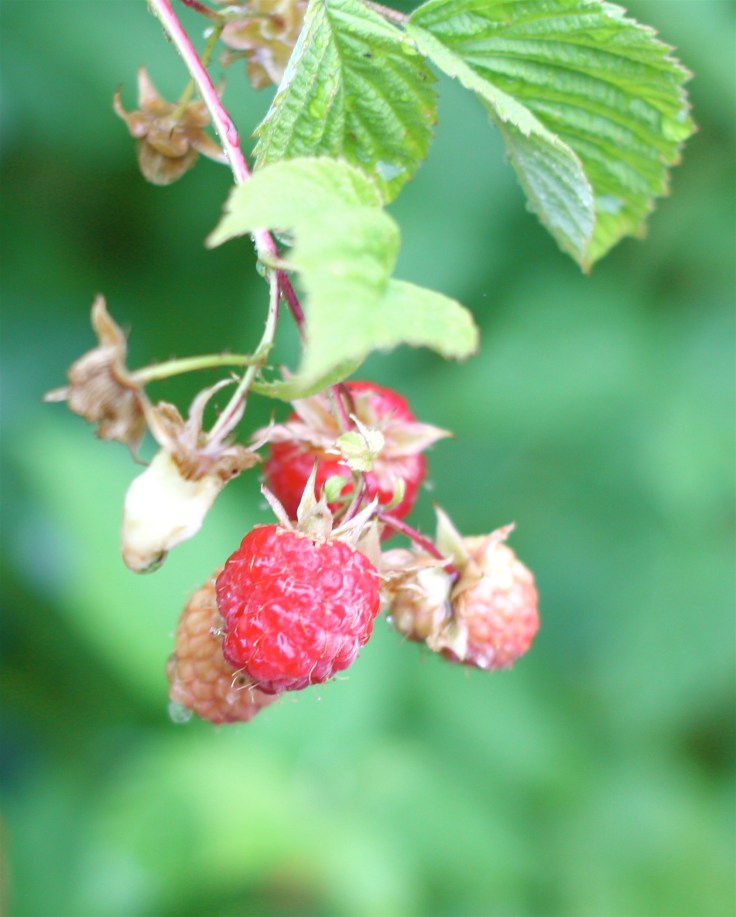
Not considered the most beautiful plant for most of the year…for one brief month this ugly duckling is a swan.

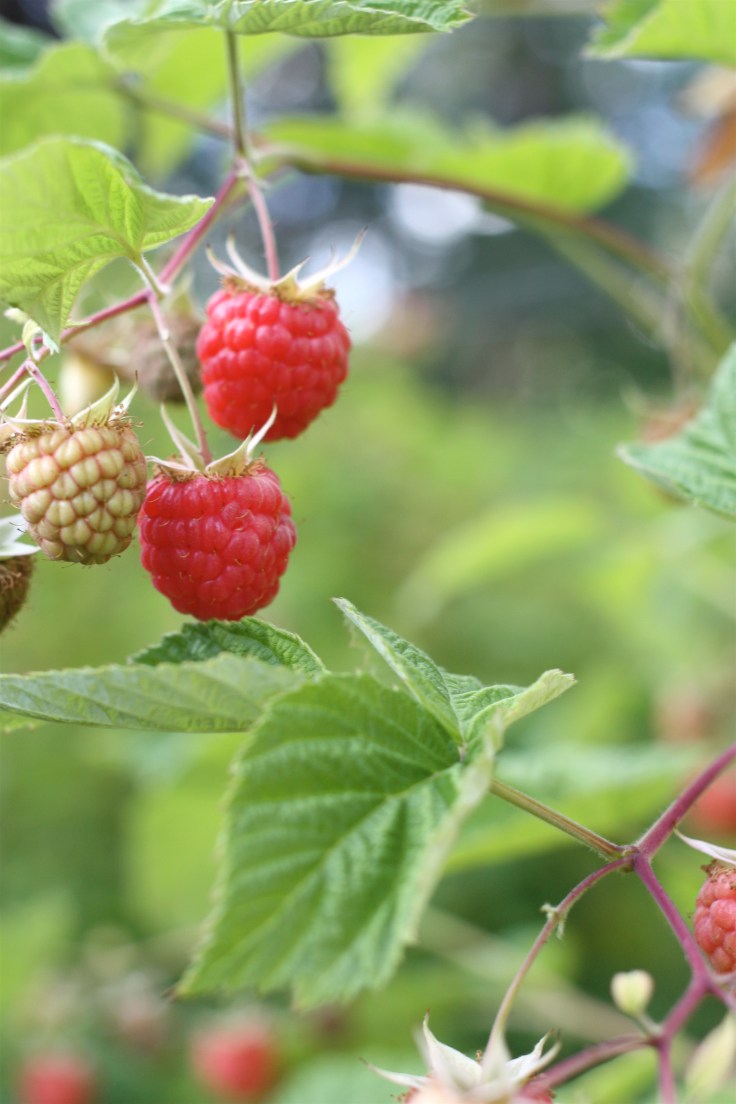
Christmas excited, our first Carpe Diem berry farm raspberries are ready for picking. Not even exaggerating here…I get into things. Pyjama-clad I head into the patch with my coffee, weigh scale and pint baskets and am in an early morning heaven. It’s just me and the birds… Any marred berries I eat. (Stream of consciousness: “When the harvest really gets going will I be like the I Love Lucy chocolate assembly line scene and come in dripping in horror-movie red juice? Ah, maybe I’ll make jam…”)

FullSizeRender
Pints destined for The Bench Market.

Day two. Same excitement. Pyjamas, coffee, scale, baskets and RAIN. Now I know I’m a farmer. Rows of perfectly ripe berries and it’s pouring. Sure, you can pick in the rain but it doesn’t do the berries any favours. Their already short shelf life is shortened more by moisture.

IMG_0178
Dripping in rain.

While waiting for a dry spell to get back outside, I browse through MyNaramata, our communities top-notch, on-line, hyper-local source of news and read about the cherry growers and their real issues with rain while listening to the sound of an Apocalypse Now number of helicopters outside my window.

“In the last three weeks before cherry harvest, it is important to keep the cherries as dry as possible to prevent splitting,” the article says. “Rain collects in the well on the top of the cherry, is absorbed into the cherry causing it to swell and skin to split. Enter the helicopters which hover to blow the water off.”

As The Handyman and I share a similar quirky sense of humour he is immediately game for a photo session with our raspberries and his remote-controlled helicopter. I send the photos to MyNaramata as a Photo Friday submission.

IMG_0208
Blowing the rain off the raspberries.


IMG_0207Snickering and general joviality all round.

MyNaramata publishes my photo. The editor has a laugh.

Early Saturday morning the phone rings.

“Hi, my name is Mark and I have a question about the helicopter you used to dry your raspberries.”

“Sure, I’ll pass you on to the pilot…”

“The pilot is there? Great, that’s fantastic.”

(“Hey Maverick, the phone is for you. There is a guy who has a question about your helicopter…”)

“Hi, I want to know what helicopter you have there. I was looking at a double rotor one like that in New Zealand but it’s priced at over $200,000. What is the make of yours? Where did you get it? How much was it?”

“Mmmmm,” says Maverick politely but grinning madly. “Not sure if you’ve looked at that photo closely but it is a remote-controlled helicopter we were using there as kind of a joke.”

“(Big pause)…(laughter)….Oh my God (laughter), you’re right. Wow, you got me. (Laughter).”

In the meantime, I’m overhearing the discussion and am doubled over in hysterics…eyes streaming, the biggest uncontrolled yet stifled laughter of the year. I’m trying not to be audible as I don’t know if the guy is dying of embarrassment or not. Turns out it he is a good sport and enjoyed the joke himself. The photo was really small and he was fixated on the rotors without clueing in to the scale problems.

He owns a two-seater helicopter himself and has an interesting story I want to blog about… if he’ll let me…


Saving the SS Naramata…Whatever floats this boat

IMG_0102.JPG
She may be a workaday tug, but the SS Naramata has lovely lines that will only be fully admired when her hull is resting in the waters of Okanagan Lake once again.

Camera safely around my neck, I follow Adolf Steffen’s, (a director of the SS Sicamouse Heritage Park board) directions to the letter as I carefully clamber down a ladder into the pitch-black boiler room of the SS Naramata. Immediately engulfed by the smell of what I suppose is old engine oil, it’s easy to paint a picture of men stoking the massive boiler with coal, sweating in the heat with the sound of the pistons pumping madly away in the adjoining engine room.

IMG_0017.JPG
Boiler detail

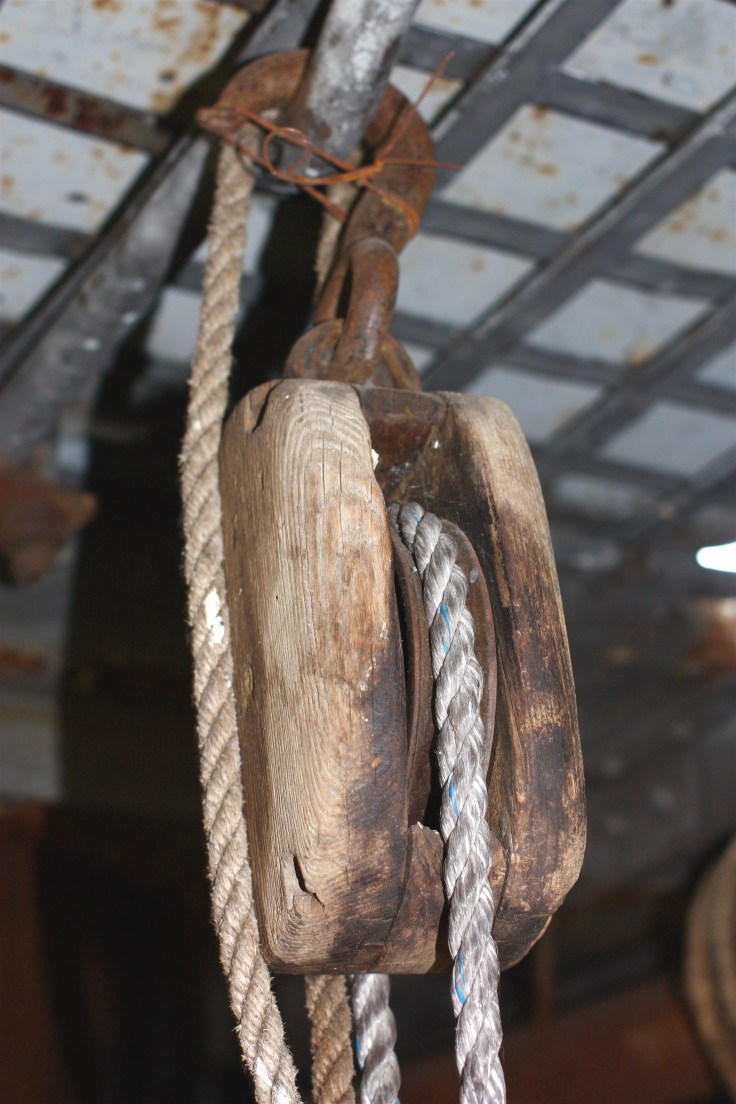
Launched in 1914, the Naramata is the last surviving steam tug in the interior of British Columbia. Along with the coastal steam tug, Master, based at Vancouver, they are the only tugs of the steam era, not rebuilt to diesel power, surviving in the province. That makes this vessel and my not-open-to-the-public tour pretty special .

IMG_0026.JPG
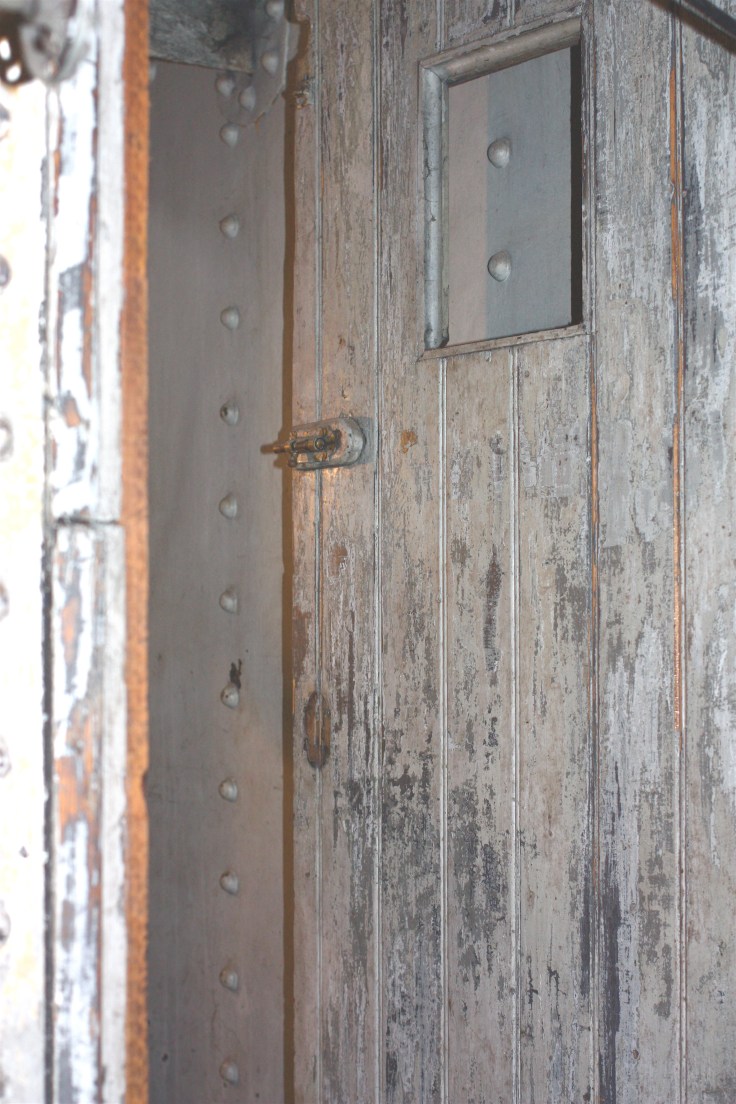
Door for coal stoking

“Wouldn’t she look great out there in the lake,” says Adolf. Once the Naramata was brought back to Penticton (1991) to rest beside the SS Sicamous, it was discovered that her hull was paper thin in places and leaking. The tug was pulled onto the beach and backfilled with sand to prevent her from sinking. Even grounded, she is still shipping in some water when the lake is full at this time of the year and it’s not doing this centenarian any favours.

Adolf says about $75,000 is needed to pay a Vancouver company to “pick her up so a cradle can be built under her to fix the hull, sandblast, paint and push her back into the lake.”

IMG_0047.JPG
It is thought that all the years of dumping spent coal to cool in an area near the boiler has corroded the hull from the sulphuric residue. The hull felt spongy beneath my feet.

Appropriately named after my village, a prosperous fruit-growing community back in the day, her main purpose was the transportation of fruit from the many packing houses along Okanagan Lake to the railway at Okanagan Landing and on to Kelowna. The ship could haul two fully loaded steel barges moving the equivalent of a 16-20 car train filled with Okanagan fruit at an average speed of seven miles an hour. A carload was 840 boxes of apples and even the early wooden barges could carry eight freight cars.

IMG_0043.JPG
Engine room detail. The stern houses the compound jet-condensing engine that drove the single screw four-blade propeller.
IMG_0027.JPG
To use some non-technical terms…it was cool to take photos in the dark and see what neat details preserved from the past of this hard-working vessel were illuminated by my flash.

IMG_0045.JPG


IMG_0031.JPG
Sadly, these piston will never likely operate again. It would have been something to see and hear everything firing with smoke pouring out the stack.

IMG_0020

A couple more shots before we headed back topside and into the light.

IMG_0039.JPG
I love this door into the engine room

IMG_0023.JPG

IMG_0022.JPG
Another look at the rust on her poor hull.

“If we don’t get at this restoration project soon in another 10 to 15 years she will be a rust bucket and disintegrate,” Adolf says. Once she is restored and back on the lake where she belongs a pier will be constructed to connect the Naramata to Canadian National Tug no. 6 to offer visitors the opportunity to see the SS Sicamous, the Naramata and the CN tug. This second part of the restoration project puts the total tab at about $150,000.

IMG_0085.JPG

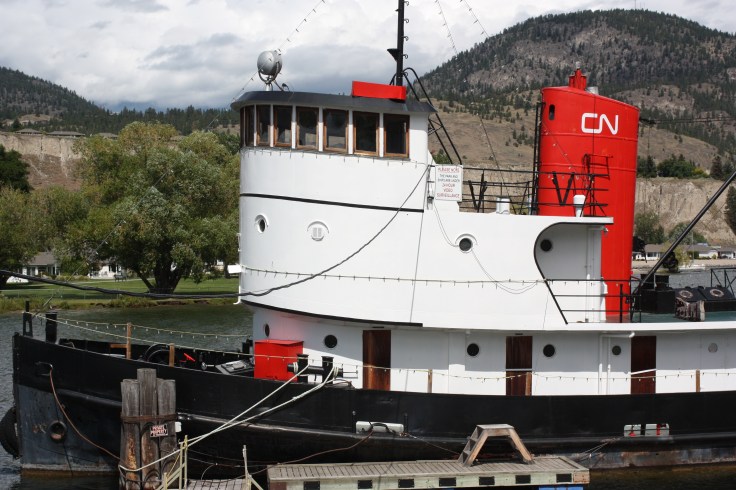
Canadian National Tug no. 6 is a diesel-powered tugboat launched in 1948 to transfer railway barges between Penticton and Kelowna. A pier attaching it to the Naramata is in the restoration plans.

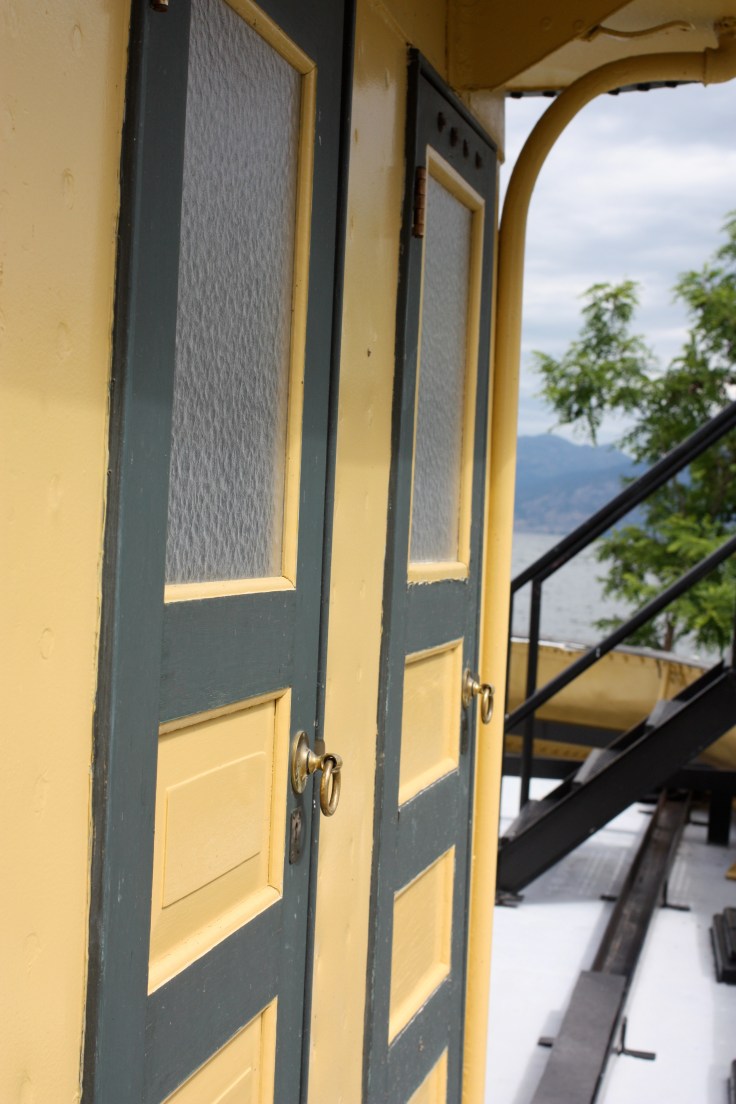
Topside and back into the light, the Naramata’s green and buff yellow paint is accented with simple but elegant brass details like the door handles leading to the various cabins giving this workaday vessel some class.

IMG_0093.JPG
Adolf says it’s painful to replace the old-fashioned keys needed to open these locks as it’s hard to find anyone to make them anymore.
IMG_0055
The restored doors are a beautiful part of the vessel.

The Naramata’s hull and boat works were prefabricated in Port Arthur Ontario in 1913 with as many as 150 men working on her. She cost $40,000 and was shipped to Okanagan Landing for assembly and launched April 20th, 1914.

IMG_0011.JPG
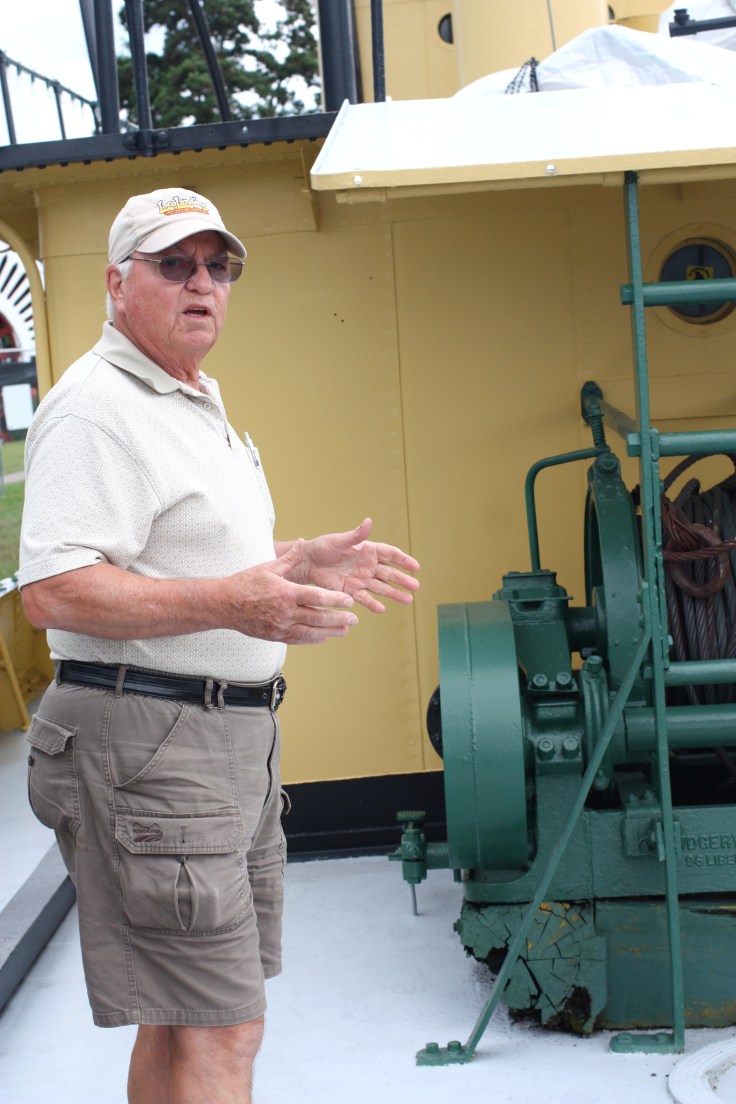
SS Sicamous Heritage Park board of directors member Adolf Steffen describing the workings of the winch. The tug pushed the barges rather than pulling them.

The deckhouse of the Naramata includes a small mess where a full-time cook worked in the blasting heat which was likely more welcome in the winter. Assistant manager of the SS Sicamous Heritage Park, Jessie Dunlop shared the reminiscences of a former crew member Abe, who stopped by for a tour a few years ago. Abe says the food was always fresh and delicious and a typical breakfast consisted of hash browns, bacon, eggs, pancakes and toast.

IMG_0063
This massive coal-fired stove takes up a lot of real estate in the small galley at the bow of the ship which housed 10 to 12 at meal times.
IMG_0059.JPG
This life ring which indicates where the vessel is registered hangs in the galley.
IMG_0067.JPG
Some artifacts in the galley.

Crew member Abe also talked of how the cook brooked no nonsense on board and would threaten to pick up a troublemaker, clothes and all and toss him overboard.

IMG_0076.JPG
The pilothouse at the front of the second deck features the ship’s wheel which would have had a good view of the lake. Today, it offers an unsatisfactory view of land.

IMG_0075.JPG

The captain’s cabin is behind the pilot house on the top deck. The horsehair mattress is a long way from a comfy a memory foam.

IMG_0073.JPG
The stairs’ brass fittings are a simple but beautiful detail.

When the Naramata began her service, she was the most modern tug on the southern lakes and rivers. Adolf also pointed out the Naramata’s double steel hull which made it capable of breaking ice on the lake. It’s been many years since the lake has iced up but it did frequently in the early 1900s. The SS Naramata would push through the ice to make a channel for the passenger steamers, including the SS Sicamous.

“The Naramata played a big part in the history of opening up the west here,” says Adolf. “Moving the fruit from the orchardists to market in the barges and onto the rails brought prosperity to the area. In the scheme of things, the $150,000 we need in total to fix her up and get her back in the water is not a lot to pay for preserving this important part of our history.”

So far $25,000 has been raised and the campaign to raise the remainder will launch soon. If all goes well everyone will soon be able see her and to paint their own pictures of what life was like on the SS Naramata during its hard working life on the lake.

IMG_2782.JPG
SS Naramata photo from the City of Vancouver Archives showing her in all her glory on the lake.

Raspberry almond tarts = a whole lot of #Naramatalove

FullSizeRender.jpg
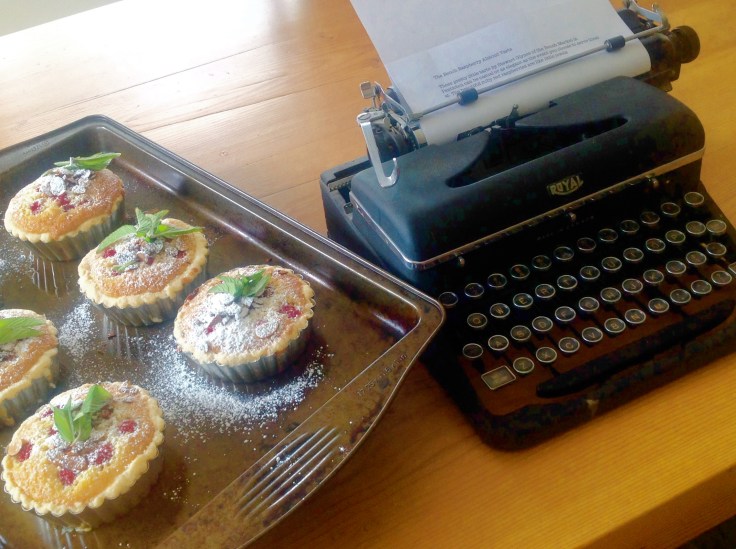
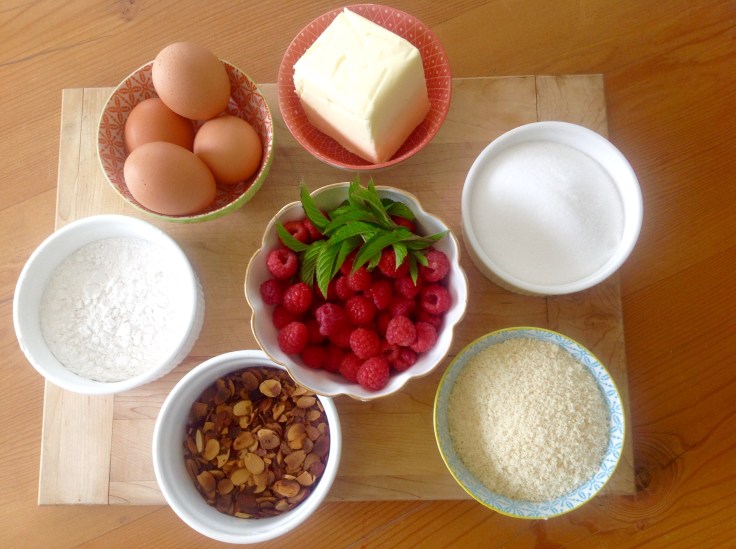
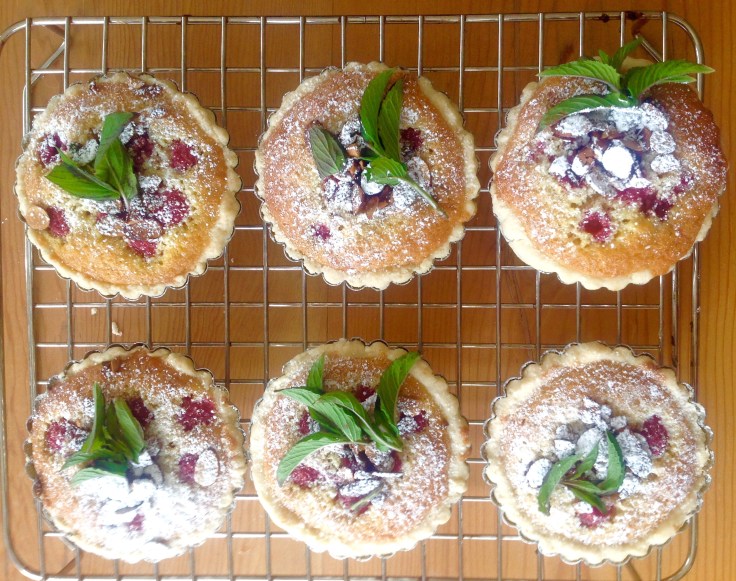
The Bench Raspberry Almond Tarts from The Butcher, the Baker, the Wine & Cheese Maker in the Okanagan by Jennifer Schell

The first recipe from the first crop of our Naramata raspberry farm berries is fittingly by our favourite Chef, Stewart Glynes, the owner of The Bench Market and it’s from my new favourite cookbook, The Butcher, the Baker, the Wine & Cheese Maker in the Okanagan and we are taking them to good Naramata pals’ place for dinner tonight. So much love packed in there that I had to use a run-on sentence…

IMG_9939.JPG
Step one…go and pick berries in pyjamas with a coffee in one hand and colander in the other.
IMG_9965.JPG
Step two…put on clothes and dash to the Naramata Store for butter. It’s not unusual to see horses hitched at the store but I drove. The store is a true general store and has: liquor store, bottle depot, DVD rentals, ice cream shop, deli, groceries, post office…

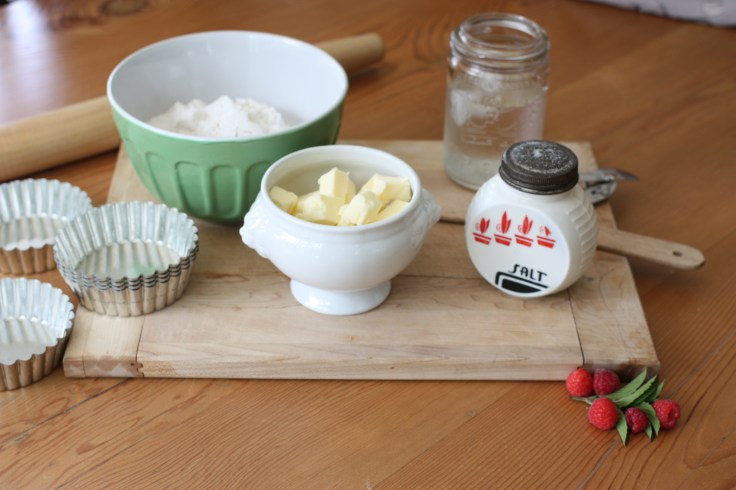
IMG_9972.JPGPastry

  • 2 cups all-purpose flour
  • 2/3 cup cold unsalted butter
  • pinch of salt
  • 3-5 Tbsp cold water

Mix together flour, butter and salt in a bowl with hands until it is a fine sand-like texture. Add cold water a little at a time, until dough comes together but is not sticky. Form into flat dish shape and chill for about an hour.

FullSizeRender.jpgAlmond filling

  • 1 cup butter
  • 1 cup white sugar
  •  1 cup ground almonds
  • 4 eggs
  • 1/2 cup all-purpose flour

In your mixer with a paddle attachment, cream butter and sugar until smooth (about 7 minutes) on medium-high speed. Add almonds and eggs, one at a time, until incorporated. Add flour and mix on low until just combined.

Preheat oven to 350. (Stewart says this recipe makes about 12 4-inch tarts but my tart rings must have been taller as I only had enough pastry for 6 tarts…) Place dough on floured surface and roll out. Cut a circle slightly larger than your tart rings or tart pans and fold into bottom of shell. Add 5 or 6 raspberries to the bottom of the shell. Add enough almond cream to come even with the top of tart. Press another 5 or 6 raspberries into top of almond cream in whatever design you like.

Bake for about 15-20 minutes or until top is lightly brown around edge. Top with powdered sugar and some sliced almonds toasted for a short while in the oven and garnish with a sprig of mint.

IMG_9986.JPG
Ready for the oven
FullSizeRender.jpg
Et voila!

On being a young farmer…out standing in her field

IMG_9224.JPG
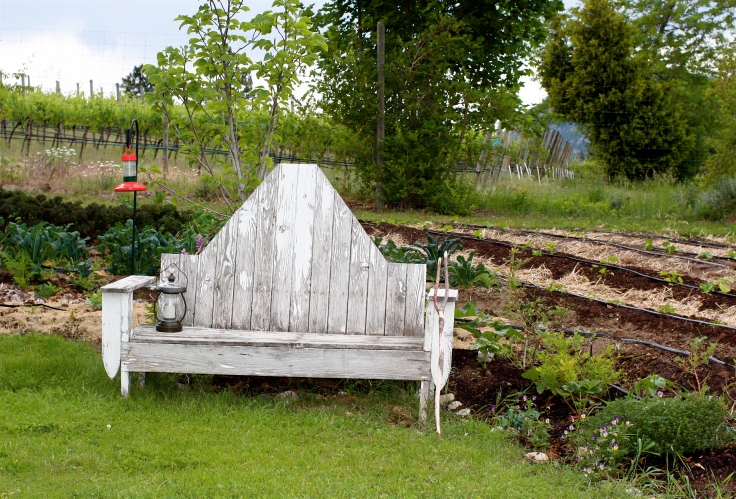
This rustic bench is near her farm office yurt and is a favourite spot for evening mojitos made with help from her purpose-grown mint patch.

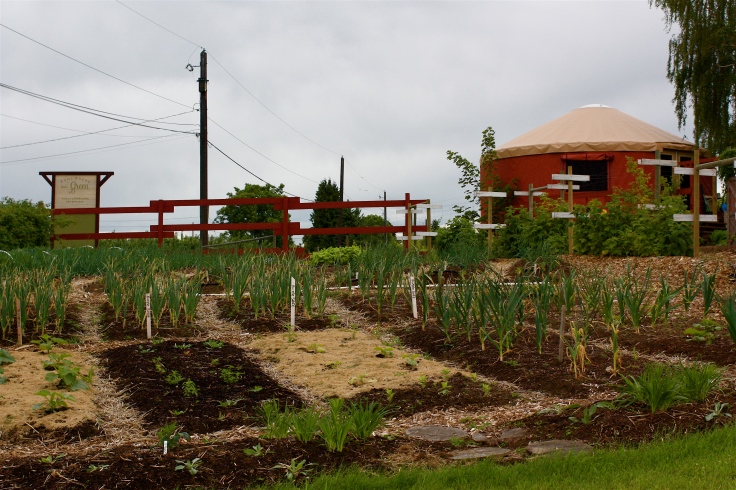
“Farming should not be a romantic idea because it’s very far from being a romantic pursuit,” says Michelle Younie, owner of Somewhere That’s Green Edible Landscapes in Penticton and the farmer of Valley View Farms that provides produce for the Hooded Merganser Bar and Grill. I re-visited Michelle’s own farm recently and was blown away by the changes in a few short months since my last visit. Her farm is not only productive, it’s beautifully tended, practically weed-free and the produce is super-charged.

She found her vocation early in life and took her interest to another level by working on farms in Italy. “I was always obsessed by food and learning about growing it. My very first day on the farm in Italy I helped make 500 jars of tomato sauce…how perfectly Italian is that?” says Michelle. The recipe involved basil, carrots, onions, garlic and tomatoes and it’s still her go-to tomato sauce.

“My three months in Italy with its olive groves and vineyards convinced me that this is the way I want to live.”

IMG_9194.JPG
What a lovely bunch of cabbages. These were planted in February and thrived in our mild winter.
IMG_9193.JPG
Michelle says she will never do without a greenhouse again. The one in the background was constructed by her dad and crops just kept from freezing in late winter with a propane heater.

“Although it seems like the in thing to do these days it is a lot of hard work and a labour of love,” she says. “I had a friend who bought five acres thinking she was going to grow hops. She didn’t even have a watering can when they first started out. They are still in the process of planting the hops and converting the land, even if it’s all a bit overwhelming. Having land is a lot more work than people initially expect and some of the romanticism dies once you get your hands dirty.”

Michelle’s advice is to start small like she did with an eight-foot by eight-foot garden and work up from there. “Take everything in steps. There is a lot to learn.”

IMG_9210
Mulch is a must in our hot and dry climate.

Michelle has learned to grow what people will order. She sells out her produce to a list of customers who come to the farm weekly to pick up their orders. “Nothing goes to waste. If there is anything left over it goes to the rabbits my partner raises.”

Much of the discussion on my second visit to Michelle’s home farm, this time with the lovely ladies of the Naramata Garden Club, centred on bugs. “We host volunteers from around the world for six to eight weeks every summer and a German girl’s worst nightmare was her job of picking bugs by hand. I’m so desensitized now that it seemed funny.

“Overtime you get a balance and some bug damage is acceptable. This year my issue is cutworms and I’ve had to re-plant some things. I need to let the chickens out more to take care of them.”

IMG_9216
Lovely straight rows of carrots.

Michelle says there is a desire to learn about food growing again that was lost to the last generation. She is doing her part. “My nephew was with some of his pals and one of them found a big worm and was squeamish about it. He said, ‘You should keep it, take it home and feed it to your chickens.'”

IMG_9206
Prettiest farm I’ve ever seen.


IMG_9221
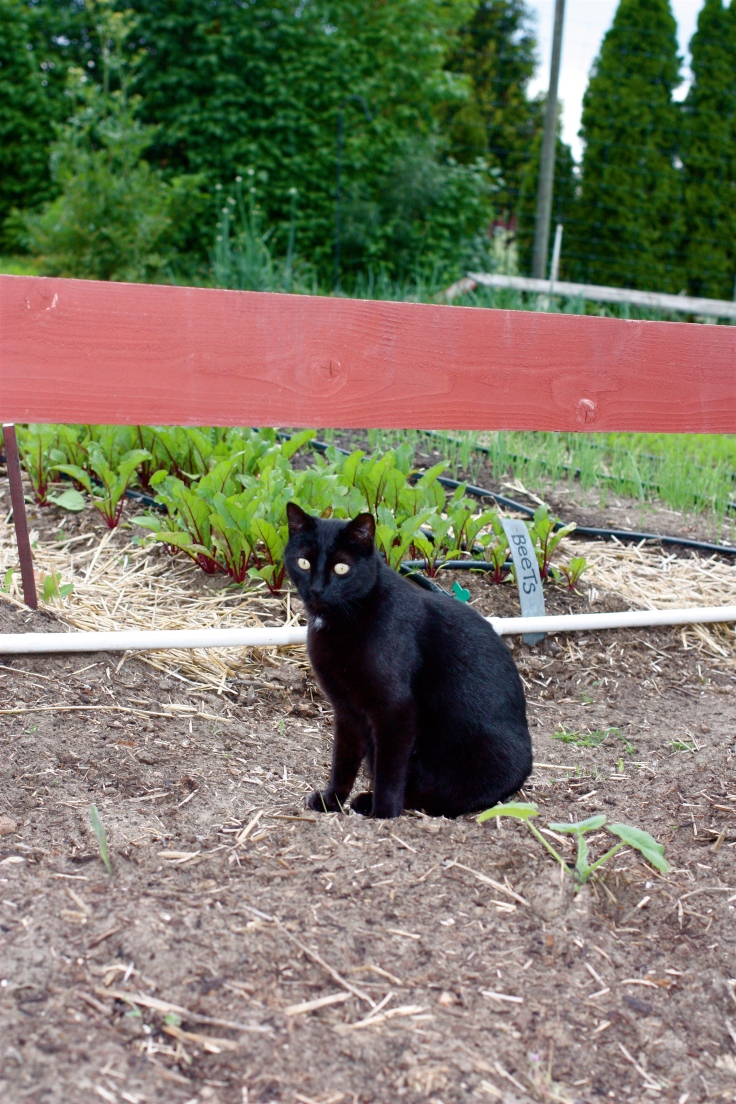
Described as a “stone-cold killer of mice” Missy is  the friendliest farm cat ever.
IMG_9196.JPG
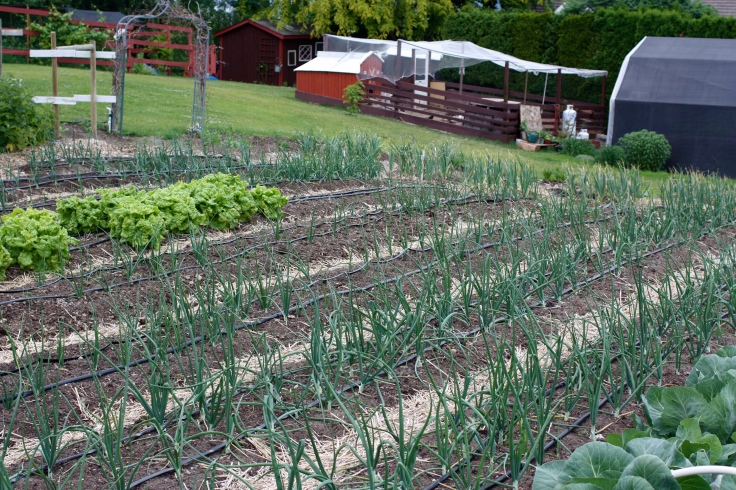
Onions in the foreground of the chicken yard.

In addition to her work on Valleyview Farm and on her own farm, Michelle consults teaching you where and what to plant in your yard with a focus on edibles. Her services range from designing and planning your edible landscape to building, planting and maintaining it for you.

Blog at WordPress.com.

Up ↑